Strait of Hormuz: Why Iran Bets on Time in 2026 Stand-Off
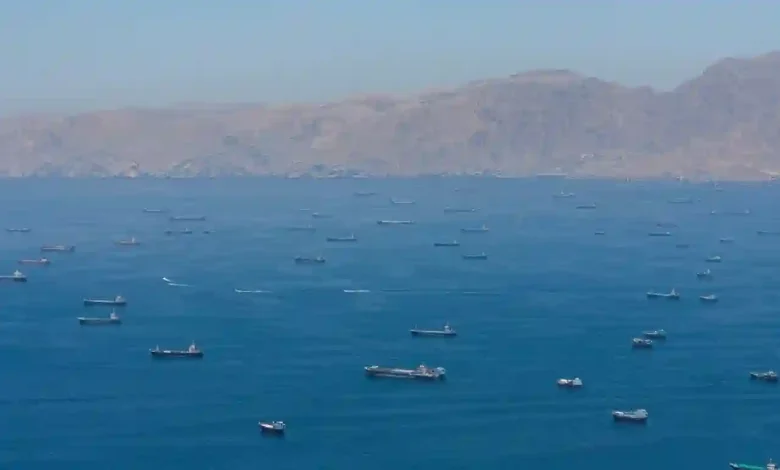
Table of Contents
Strait of Hormuz, by some historical accounts, is named for a Zoroastrian deity destined to emerge victorious after a 9,000-year standoff with an adversary. In the high-stakes arena of modern geopolitics, Iran’s leaders believe their own triumph is finally within arm’s reach—and unlike the ancient myths of Ahura Mazda, they do not intend to wait nine millennia to achieve it. Instead, Tehran is betting that sustained military friction, combined with strategic patience, will eventually force the United States to capitulate and accept Iranian dominance over the world’s most critical energy chokepoint.
As the stand-off intensifies, the regional calculus is shifting rapidly. The Iranian leadership is operating under the assumption that time is entirely on their side. By slowly strangling global shipping and engaging in calculated maritime escalation, they are exposing structural vulnerabilities within the Western alliance. From dwindling American munitions to volatile domestic political realities in the West, Tehran perceives a distinct opportunity to fundamentally rewrite the rules of Persian Gulf security.
The Mythic Roots of a Modern Conflict
The etymology of the waterway honors Ohrmazd (Ahura Mazda), the Zoroastrian source of cosmic harmony, wisdom, and light. Historically, this deity is locked in an epic dualistic struggle against Angra Mainyu, the spirit of chaos and destruction. Today, this foundational ethos of “good thoughts, good words, and good deeds” has been replaced by the realities of severe international friction, naval minefields, and drone warfare. Yet, the sense of destiny remains deeply woven into Iran’s strategic identity.
Rather than viewing the conflict as a temporary crisis, Tehran sees its actions as the culmination of a historical imperative to expel extra-regional powers from its immediate neighborhood. For centuries, the Persian Gulf has been a vital artery of Persian political and economic power. By framing their current struggle against the United States as an asymmetric war of attrition, Iranian decision-makers are signaling that they possess the long-term stamina to outlast their Western adversaries, who operate under much shorter political cycles.
Tehran’s Bet on Tactical Patience and Time
Iran’s strategic posture is built on a simple calculation: they believe the United States will ultimately choose retreat over an open-ended, costly war in the Middle East. They know that American public opinion is deeply hostile to the prospect of another prolonged ground conflict, and they are leveraging this weariness to their advantage. This high-stakes economic blockading goes back to the initial phase of the Strait of Hormuz crisis, which demonstrated Tehran’s willingness to absorb economic damage if it meant exposing Western shipping vulnerability.
Under President Donald Trump, the U.S. has maintained a posture of aggressive military deterrence, but Tehran is betting that this is a temporary barrier. They believe that by keeping pressure high, they can slowly chip away at Washington’s resolve. The objective is not necessarily to defeat the U.S. Navy in a direct engagement, but rather to make the cost of securing the strait so high that the American political establishment eventually decides the mission is unsustainable.
The Pentagon’s Interceptor Crisis and Logistics
One of the most critical factors driving Iran’s confidence is its awareness of the logistical constraints facing the Pentagon. Years of maintaining a global military footprint, combined with active deployments in Eastern Europe and the Middle East, have severely strained U.S. defense manufacturing. As analyzed during the latest geopolitical developments on day 159 of the conflict, the pace of expenditure far outstrips production lines.
Specifically, the U.S. Navy is grappling with a heavily depleted missile interceptor inventory, leaving assets across the globe potentially vulnerable to saturated drone swarm and anti-ship ballistic missile salvos. These high-end munitions, such as the Standard Missile family, are incredibly complex to manufacture and cannot be easily replaced in the short term. This tactical vulnerability was exacerbated building on the intensity witnessed on Day 155, where waves of inexpensive, Iranian-designed suicide drones forced the deployment of multimillion-dollar defensive ordnance, proving the asymmetric cost-benefit ratio favors Tehran.
Economic Warfare: Oil Markets and Election Politics
Economic leverage remains Iran’s most potent non-military weapon. Because approximately one-fifth of the world’s liquefied natural gas and petroleum passes through this narrow chokepoint, even minor disruptions send shockwaves through global energy markets. The broader macroeconomic impact of the shipping halt was felt acutely following the massive escalation during Day 156 of the campaign, sending Brent crude prices upward and stoking fears of systemic inflation.
This economic pressure is directly tied to the political calendar in the United States. With critical congressional elections scheduled for November, the domestic political cost of rising fuel prices is a primary concern for the Trump administration. Tehran knows that high gas prices alienate voters, and they are deliberately using this leverage to force a recalculation in Washington. At the same time, Tehran seeks to protect the Iranian energy sector’s resilience through gray-market sales and alternative pipeline routes, ensuring they can survive their own blockade longer than their targets can tolerate it.
The Houthi Wildcard and Multi-Front Escalation
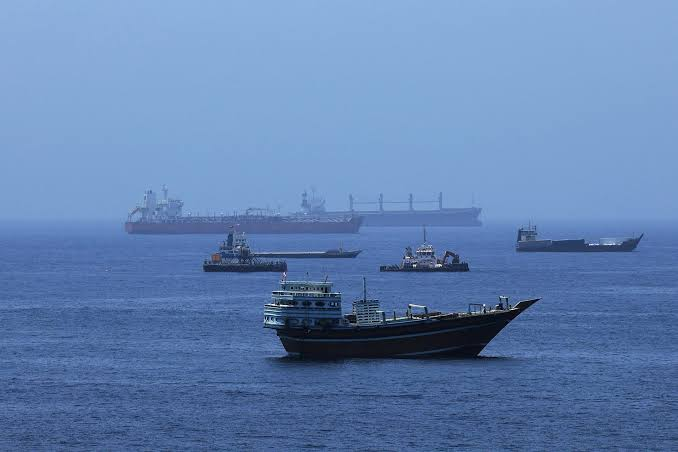
Iran does not stand alone in this confrontation. Its network of regional proxies, collectively known as the Axis of Resistance, provides it with the ability to wage a multi-front maritime war. Most notable among these allies are the Houthi forces in Yemen. Operating along the Bab al-Mandab strait, the Houthis have demonstrated the capability to disrupt shipping in the Red Sea, effectively creating a secondary maritime chokepoint.
By coordinating with Sana’a, Tehran can widen the war at a moment’s notice, stretching allied naval resources to their absolute limit. These compounding flashpoints have re-ignited growing fears of World War 3 as major powers assess the total collapse of global maritime trade routes. The potential for a synchronized closure of both the Strait of Hormuz and the Suez Canal route represents a worst-case scenario for global commerce, one that the United States cannot easily solve without a massive commitment of ground forces.
The Oman Channel: Shared Sovereignty and Evolving Deals
Despite the aggressive rhetoric, diplomacy is not entirely dead. Because the Strait of Hormuz is shared between the territorial waters of Iran and Oman, Muscat has long acted as a vital intermediary. Tehran has floated concepts of a strategic Strait of Hormuz deal with Oman, which would place the waterway under joint bilateral oversight, potentially excluding Western naval patrols entirely.
For such a deal to work, however, the United States would have to lift its choking maritime blockade. While this would offer an off-ramp for both sides, it presents a major political dilemma for President Trump. Approving such a deal would be seen by many as a tacit capitulation to Iranian pressure, validating Tehran’s strategy of brinkmanship. Yet, refusing it guarantees a continuation of the high-stakes standoff, with no guarantee that U.S. forces can permanently keep the channel open by force alone.
Internal Fragilities: The Risks of Iran’s Gambit
While Iran’s strategy is highly calculated, it is far from risk-free. The clerical regime in Tehran is playing a dangerous game, and their assumption that time is on their side may overlook their own domestic fragilities. Decades of international sanctions, coupled with the current U.S. blockade, have devastated the Iranian economy. Inflation is rampant, the national currency has plummeted, and ordinary citizens are bearing the brunt of the hardship.
Furthermore, the memory of mass anti-government protests remains fresh. The regime’s hold on power is maintained through strict security measures, but another economic shock could easily reignite widespread civil unrest. If the blockade continues indefinitely, the internal pressure on the Islamic Republic may reach a boiling point before the United States decides to back down. As history has repeatedly demonstrated, short-term military excursions in the Middle East rarely unfold according to plan, and Tehran’s leaders could find themselves overwhelmed by the very forces they have unleashed.
Strait of Hormuz Strategic Capabilities Matrix
To understand the dynamics of this confrontation, it is necessary to examine the asymmetric balance of power between the two main adversaries. While the United States possesses overwhelming conventional military superiority, Iran utilizes geography, proxy networks, and low-cost technology to neutralize this advantage.
| Strategic Pillar | Iranian Objective & Leverage | U.S. Challenges & Constraints |
|---|---|---|
| Sovereignty & Control | Project regional hegemony; establish joint oversight with Oman; expel extra-regional navies. | Maintain freedom of navigation; preserve international maritime law and Western credibility. |
| Military Inventories | Utilize cheap assets (drones, mines, fast attack crafts) to exhaust high-end Western defense grids. | Facing a depleted missile interceptor inventory under prolonged multi-theater skirmishes. |
| Economic Warfare | Drive crude oil prices up to exploit domestic political timelines in Western democracies. | Vulnerable to domestic inflation and skyrocketing retail gas prices before midterm elections. |
| Proxy Force Multipliers | Leverage Houthi operations in Bab al-Mandab to stretch allied naval deployments thin. | Stretched thin across global flashpoints; high risk of regional conflict expansion. |
| Domestic Stability | Regime survival hinges on domestic crackdowns and bypass routes; vulnerable to economic collapse. | Sustaining public support for a costly, open-ended maritime conflict is politically challenging. |
Conclusion: The Chokepoint Dilemma
Ultimately, the standoff in the Strait of Hormuz represents a classic war of attrition. Iran’s leaders are confident that their asymmetric advantages and strategic location will eventually force the United States to make concessions. They are betting that Western impatience, combined with economic vulnerability, will pave the way for an Iranian victory over the crucial waterway.
However, this strategy is a double-edged sword. If Tehran miscalculates the depth of American resolve, or if their domestic population reaches its breaking point, the consequences for the regime could be catastrophic. The ancient myth of Ohrmazd ended in a hard-won victory after thousands of years of conflict. In the modern era, neither side has the luxury of epic patience, and the coming months will determine whether Iran’s high-stakes gamble pays off or plunges the entire region into a devastating, wider war.