Strait of Hormuz deal: Trump Claims Progress while Iran Denies Direct Talks 2026
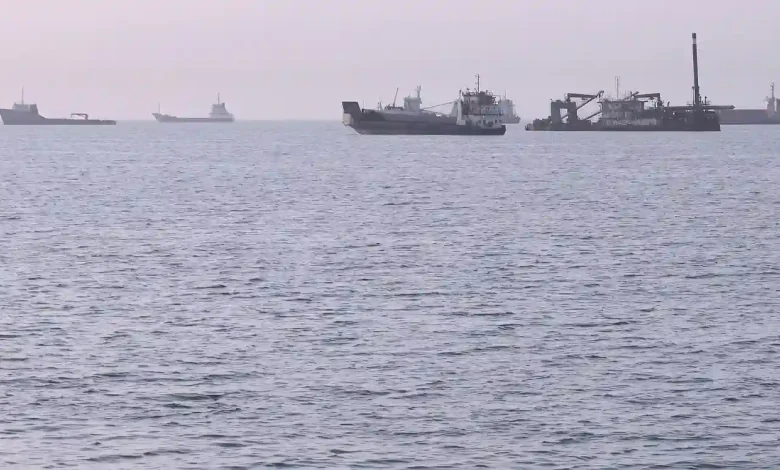
Table of Contents
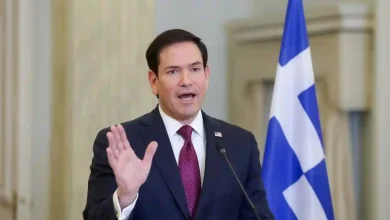
Strait of Hormuz deal negotiations have taken center stage in global geopolitics following a weekend of high-stakes military brinkmanship and conflicting public statements. On August 2, 2026, U.S. President Donald Trump announced that a comprehensive agreement with the Islamic Republic of Iran was imminent. He claimed that the perimeters of a deal had been established, which would feature the immediate and complete reopening of the critical waterway as well as an end to Iran’s nuclear threat. This sudden diplomatic pivot occurred shortly after Trump declared on his Truth Social platform that the United States military was “locked and loaded” and prepared to launch devastating airstrikes. The President noted that he ultimately elected to suspend these planned operations in response to requests from Iranian officials and key Middle Eastern allies who expressed confidence that a diplomatic solution could be rapidly secured.
However, the narrative coming from Tehran presents a starkly different reality, exposing the deep-seated complexities of US-Iran diplomacy. Iran’s Ministry of Foreign Affairs swiftly denied any direct involvement in talks with Washington. Instead, Iranian officials emphasized that their ongoing diplomatic engagements are strictly confined to negotiations with the Sultanate of Oman. Tehran’s primary focus, according to foreign ministry spokesperson Esmaeil Baghaei, is establishing a temporary transit route through the strait to allow commercial shipping to resume under specific sovereign terms. This sharp divergence in rhetoric highlights the massive trust gap between the adversarial nations on Iran war day 155, leaving international observers and energy markets highly skeptical about whether a durable breakthrough is truly close.
The Truth Social Announcement and “Locked and Loaded” Postures
Trump’s Claims of a Breakthrough Deal
President Donald Trump took to social media to outline what he described as a monumental step toward ending the months-long war that has gripped the Middle East since early 2026. According to the President, the “perimeter” of a framework agreement has already been agreed to, laying out a path for a peaceful resolution. Trump highlighted two non-negotiable pillars of this potential deal: the “Immediate, Complete, and Total” reopening of the Strait of Hormuz to maritime shipping and a definitive end to Iran’s nuclear capabilities. This development represents a critical moment in the administration’s foreign policy, as the White House seeks to project strength while simultaneously exploring diplomatic exits. The announcement has sparked intense debate over the administration’s long-term strategy, particularly during this latest diplomatic sequence where US-Iran hostilities ease temporarily only to flare up again shortly after.
The Cancelled Strikes and Call for De-escalation
The build-up to this diplomatic overture was marked by intense military posturing. Trump revealed that a major joint strike involving U.S. and Israeli forces was ready to execute—an attack that would have reportedly targeted critical Iranian energy and defense infrastructure. Labeling the potential operation as one of the largest military actions since World War II, Trump claimed that he issued the final order to pause the bombardment. He stated that this decision was made in response to direct appeals from regional leaders, including Saudi Crown Prince Mohammed bin Salman, who urged a pause to prioritize dialogue and prevent the region from collapsing into an unmanageable wider war. This critical intervention occurred at a pivotal decision when Trump cancels Iran strikes, replacing imminent devastation with a high-stakes call for rapid diplomatic progress. While Trump insisted that the cancellation was strictly conditional on Iran signing a final deal quickly, domestic and international skeptics remain wary of whether this constitutes a genuine off-ramp or merely a tactical breathing space.
Tehran’s Denial: Diplomatic Back-Channels and the Oman Corridor
Esmaeil Baghaei on Shipping Sovereignty
In response to Trump’s announcements, Iran’s foreign ministry spokesperson, Esmaeil Baghaei, clarified Tehran’s official stance during a press conference on Monday. Baghaei stated flatly that Iran is not engaged in any direct negotiations with the United States at this time. Instead, Tehran has focused its diplomatic resources entirely on bilateral talks with Oman, which sits directly across the strategic shipping lane. The Iranian representative made it clear that Tehran is asserting full sovereign rights over the northern passage of the waterway. He emphasized that the status quo of the waterway “will in no way return to the status it was before February 28th”—the day the war officially commenced. This stance makes it clear that while some strikes on Iran paused over the weekend, the fundamental geopolitical disputes regarding maritime transit rights and national security are far from resolved.
The Joint Iranian-Omani Maritime Framework
The negotiations between Muscat and Tehran center on a pragmatic, temporary solution to bypass the current military blockade. Rather than a grand reopening of the strait under pre-war international norms, Iran is proposing a “middle route” that would allow commercial vessels to navigate the passage under strict guidelines. The proposed framework includes the potential establishment of a joint Iranian-Omani maritime services company. This entity would manage shipping permissions, route designations, and provide local maritime insurance at preferential tariffs to cooperative nations, effectively displacing the high-cost western commercial insurance syndicates that have fled the conflict zone. This arrangement allows Tehran to monetize and control transit while attempting to bypass the biting Western blockade. It also demonstrates how the Islamic Republic is adapting to prolonged economic warfare, seeking to mitigate the severe economic toll and Iran war fallout by strengthening ties with regional neighbors who favor neutrality.
Regional Escalation and the Security Advisory Whirlwind
State Department Issues Multi-Nation Alerts
While the rhetorical war plays out in public forums, the concrete threat to civilian safety remains acute. On Saturday, the U.S. State Department issued sweeping new security alerts for American citizens residing in or traveling through ten countries across the Middle East. Citing the volatile security landscape and the risk of retaliatory actions, the travel advisories urged extreme caution and meticulous preparation for sudden travel disruptions. The State Department warned that military escalations could lead to sudden airspace closures, airport suspensions, and localized infrastructure strikes. These security alerts cover a wide swath of the region, including Bahrain, Israel, Iraq, Jordan, Kuwait, Lebanon, Oman, Qatar, Saudi Arabia, and the United Arab Emirates. The broad geographic scope of these alerts underscores the concern in Washington that even a temporary pause in direct strikes could be shattered by proxy actions or miscalculations, mirroring how previous cycles of the Trump halts Iran attacks narrative have ultimately given way to renewed violence.
Impact on Gulf Arab States and Energy Infrastructure
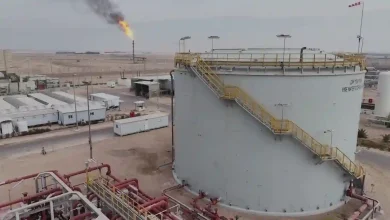
The ongoing conflict has placed America’s Gulf allies in an incredibly delicate position. Countries like Saudi Arabia, Kuwait, and the UAE find themselves on the front lines of potential retaliation, caught between their security partnerships with the United States and their proximity to Iranian military capabilities. Just hours before the latest diplomatic pause, Kuwait’s military reported the interception and destruction of hostile drones targeted at key domestic infrastructure. This incident highlighted the persistent threat of spillover violence, which has heavily contributed to how regional conflict redefined security expectations across the Persian Gulf. Consequently, Gulf leaders have been working behind the scenes to push both Washington and Tehran toward a sustainable truce, fearing that a full-scale American military campaign against Iran would inevitably devastate their own economic progress and critical oil export facilities.
Deep Geopolitical Analysis: The Stakes of the Strait
Reopening the Strait vs. Temporary Routing
The core dispute between the United States and Iran remains the legal and operational status of the Strait of Hormuz. For Washington and its international allies, any acceptable resolution must involve the unrestricted, fee-free navigation of commercial vessels under established international maritime law, such as the United Nations Convention on the Law of the Sea. This is the cornerstone of global energy trade, as approximately one-fifth of the world’s liquid petroleum passes through this narrow choke point. Conversely, Tehran views the strait as a primary strategic leverage point. By insisting on a designated, fee-based temporary route managed in coordination with Oman, Iran is attempting to codify a new maritime reality where it holds veto power over Western shipping. This divergence in objectives explains why many foreign policy experts are highly skeptical of Trump’s claim that a final, comprehensive deal is close. Without a major concession from either side, any temporary agreement negotiated via Muscat is likely to remain fragile and susceptible to sudden collapse.
Domestic Pressures and Economic Realities in the US
The geopolitical impasse is further complicated by intense domestic pressures within the United States. Now in its sixth month, the military campaign against Iran has grown increasingly unpopular among the American public. A recent Associated Press poll revealed that nearly two-thirds of Americans believe the war is not worth the economic and human costs. The prolonged closure of the strait has driven global oil and gas prices to record highs, causing severe inflation at domestic gas pumps and hurting consumer confidence. Additionally, defense analysts warn that months of sustained aerial campaigns have significantly depleted the Pentagon’s stockpiles of precision-guided munitions. These overlapping domestic factors have arguably forced the administration’s hand, creating an urgent political necessity for Trump to seek a diplomatic victory that he can present to voters, even as the military remains on high alert.
Summary of National Positions on the Strait of Hormuz Crisis
| Country/Actor | Public Stance | Primary Strategic Goal | Current Operational Status |
|---|---|---|---|
| United States | Claims a comprehensive deal is imminent; expects full denuclearization and immediate reopening of the Strait of Hormuz. | Restore unrestricted maritime transit; neutralize Iran’s nuclear capabilities; mitigate domestic inflation. | Strikes temporarily paused; military forces remain “locked and loaded” in the region. |
| Iran | Denies direct negotiations with the U.S.; asserts full sovereignty over the strait; negotiating exclusively with Oman. | Establish a fee-based maritime corridor; lift the U.S. naval blockade; bypass Western economic sanctions. | Armed forces on high alert; pursuing temporary routing agreements via Muscat. |
| Oman | Acts as a neutral mediator; facilitating dialogue on safe shipping corridors to avoid regional collapse. | De-escalate the conflict; secure bilateral maritime trade; maintain regional stability. | Engaging in high-level technical talks with Tehran regarding shipping routes. |
| Gulf Allies | Urging diplomatic restraint and prioritizing dialogue to prevent wider regional devastation. | Protect domestic infrastructure; avoid direct military involvement; stabilize global oil markets. | Air defense systems on high alert; actively engaged in back-channel diplomacy with Washington. |