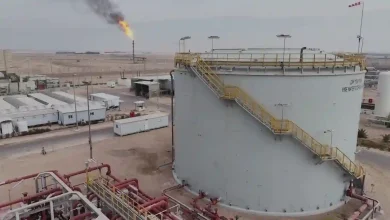
Depleted missile stockpiles drain U.S. combat readiness in Iran war 2026
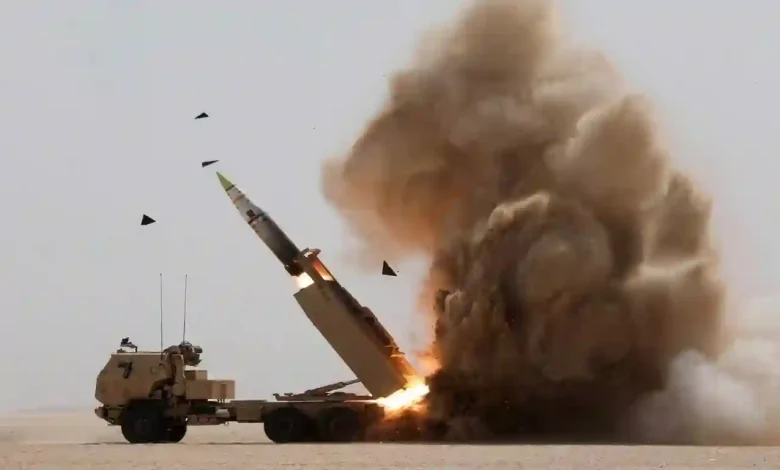
Table of Contents
Depleted missile stockpiles have emerged as a critical strategic vulnerability for the United States, as five months of high-intensity operations against Iran have nearly exhausted the U.S. Army’s supply of long-range precision-guided munitions. According to military officials and sources familiar with internal stockpile data, the inventories of key land-based surface-to-surface weapon systems—specifically the Army Tactical Missile System (ATACMS) and the newly fielded Precision Strike Missile (PrSM)—have been virtually depleted. This rapid drawdown, occurring during a highly volatile regional conflict, has ignited a fierce debate in Washington over global military readiness and the nation’s capacity to handle a multi-front crisis.
The intensive deployment of these systems highlights a modern shift in operational doctrine, where military commanders have prioritized long-range precision strikes over riskier piloted air campaigns. However, as the U.S.-Iran geopolitical conflict continues to stretch American logistics, the depletion of these high-end assets threatens to compromise the Pentagon’s strategic posture globally. With stockpiles near empty, military analysts worry that the U.S. could find itself ill-prepared to deter near-peer adversaries in other vital theaters, such as East Asia or Eastern Europe.
The Depletion of Precision-Guided Munitions
The scale of ammunition consumption over the past five months has shocked veteran logistics officers and strategic planners alike. Since the conflict erupted, U.S. Central Command (CENTCOM) has maintained a continuous bombardment of command posts, hardened missile silos, and air-defense radars inside Iranian territory. Now, entering the fifth month of hostilities, the consequences of this sustained campaign are becoming starkly clear. Sources indicate that CENTCOM has virtually exhausted its regional stockpiles of ATACMS and PrSM systems, requiring urgent replenishment from other global theater reserves.
This drawdown represents a fundamental challenge to the Pentagon’s traditional “two-theater” defense strategy. Historically, U.S. defense planning assumes the military must retain enough munition reserves to wage one major regional war while successfully deterring a second adversary elsewhere. Instead, the relentless demands of the Middle Eastern theater have forced the redistribution of assets from European Command (EUCOM) and Indo-Pacific Command (INDOPACOM). While this redistribution has allowed Washington to maintain immediate tactical pressure, it has dramatically shrunk the readiness margin needed to respond to a simultaneous crisis elsewhere. Military planners are left with hard choices as supply lines stretch thin across the globe.
Understanding the Crucial Role of ATACMS and PrSM
The systems at the center of this controversy represent the pinnacle of the U.S. Army’s tactical deep-strike capabilities. Both the ATACMS and the PrSM are fired from mobile launchers, such as the High Mobility Artillery Rocket System (HIMARS) and the M270 Multiple Launch Rocket System (MLRS). These weapons have allowed the U.S. Army to conduct a calibrated military response, striking deep behind enemy lines without exposing piloted aircraft to highly lethal air-defense networks. These platforms are highly mobile, allowing them to fire and relocate rapidly to avoid counter-battery fire.
Army Tactical Missile System (ATACMS)
The MGM-140 ATACMS is a combat-proven, semi-ballistic missile that has been in service since the 1991 Gulf War. With a range of approximately 300 kilometers, the ATACMS can deliver a 500-pound unitary warhead with GPS-guided precision. Over the decades, it has undergone numerous upgrades to improve accuracy and survivability against sophisticated electronic warfare. During the recent conflict, ATACMS was heavily utilized to strike strategic assets, including drone manufacturing plants, ballistic missile launch sites, and command-and-control hubs. Because it flies at supersonic speeds along a quasi-ballistic trajectory, it is exceptionally difficult for conventional air defenses to intercept. This has made it the weapon of choice for neutralizing well-protected targets.
Precision Strike Missile (PrSM)
The PrSM is the Army’s next-generation replacement for the aging ATACMS. Designed under the Long Range Precision Fires (LRPF) program, the PrSM offers a significantly extended range exceeding 500 kilometers and is engineered with an advanced multi-mode seeker. Crucially, the PrSM’s smaller diameter allows launcher vehicles to carry two missiles per pod, effectively doubling the firepower of a single HIMARS vehicle compared to the ATACMS, which is limited to one missile per pod. However, because the PrSM is a relatively new system that only recently entered full-rate production, the initial pre-war stockpile was already quite small. Consequently, the rapid escalation of U.S. military strikes has completely exhausted the available PrSM inventory, leaving the Army without its most advanced surface-to-surface option.
Comparative Analysis of Depleted Systems
The depletion is not limited to land-based strike missiles; it extends across a broad spectrum of precision munitions, air-defense interceptors, and cruise missiles. To understand the scale of this drawdown, we can examine a comparative analysis of the primary weapon systems utilized in the conflict. This data highlights the critical state of the U.S. inventory across multiple dimensions, showing that defensive interceptors have also been heavily expended to counter incoming threats.
| Weapon System | Type | Range (km) | Estimated Unit Cost | Reported Depletion Level |
|---|---|---|---|---|
| ATACMS (MGM-140) | Tactical Surface-to-Surface Missile | 300 km | $1.5 Million | Virtually 100% (Near Total Exhaustion) |
| PrSM (Precision Strike Missile) | Next-Gen Surface-to-Surface Missile | >500 km | $1.8 Million | Virtually 100% (All Early Stock Expended) |
| Tomahawk (TLAM) | Land Attack Cruise Missile | 1,600+ km | $2.0 Million | Approximately 50% (Global Stock) |
| Patriot (PAC-3 MSE) | Air Defense Interceptor | 30-160 km | $4.0 Million | Approximately 65% (Pre-War Inventory) |
| THAAD | Ballistic Missile Defense Interceptor | 200 km | $13.0 Million | Approximately 38% (Pre-War Inventory) |
As the data shows, the depletion of ATACMS and PrSM represents the most acute shortage, but the broader munition family is also under severe strain. The U.S. has used approximately 65% of its pre-war Patriot interceptor inventory and 38% of its THAAD inventory to safeguard its bases and allies in the region. According to a recent analysis by the Center for Strategic and International Studies (CSIS), rebuilding these defensive and offensive stockpiles to safe levels will take anywhere from one to four years, depending on the speed at which defense contractors can ramp up production. This timeframe presents a major hurdle for defense planners.
The Strategic Implications for Great Power Competition
The rapid depletion of these stockpiles has sent shockwaves through the global security community. By consuming its high-end precision weapons in a regional conflict, the United States has inadvertently exposed a vulnerability that peer competitors like China and Russia are closely monitoring. The depletion highlights the limits of modern industrial capacity, showing that even the world’s most powerful military can quickly run out of key assets during sustained combat operations.
Deterrence in the Indo-Pacific Theater
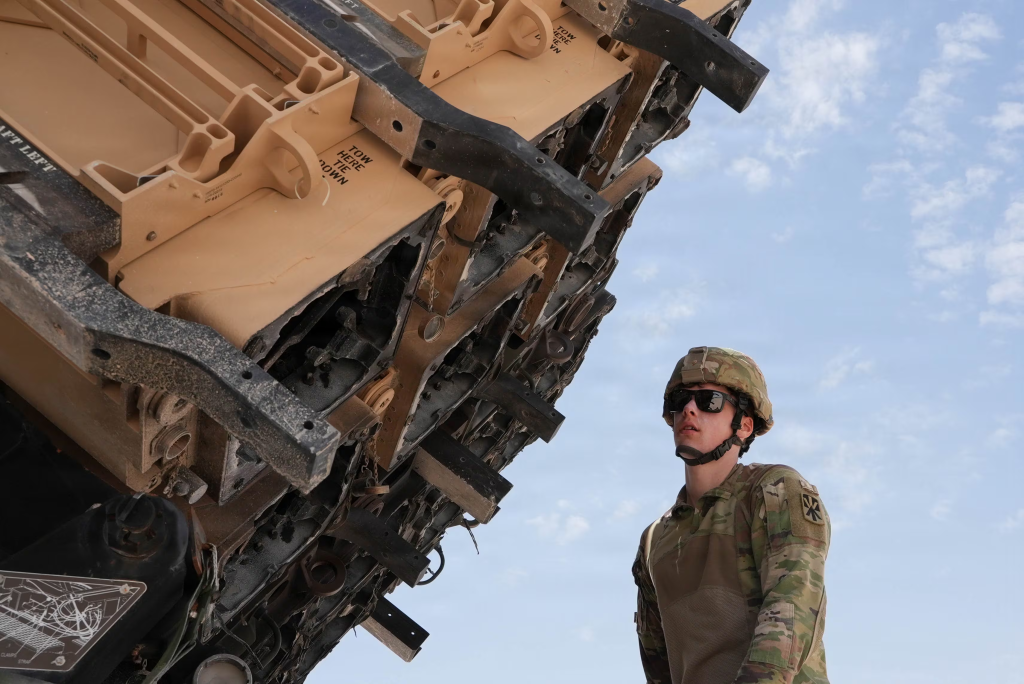
In a potential conflict over Taiwan or the South China Sea, long-range precision fires are considered the cornerstone of the U.S. military’s strategy to counter China’s Anti-Access/Area-Denial (A2/AD) capabilities. The PrSM, with its extended range and ability to target maritime vessels, was expected to play a decisive role in securing maritime choke points like the Strait of Hormuz and other key waterways in the Pacific. With these stockpiles now virtually empty, the U.S. is facing a “temporary vulnerability window” in the Pacific, during which its conventional deterrence capability is significantly diminished. This could tempt regional adversaries to take more aggressive actions, knowing that the U.S. has limited precision strike options in reserve.
Vulnerabilities in Eastern Europe
Similarly, in Europe, the depletion of ATACMS impacts the NATO alliance’s ability to deter Russian aggression. The U.S. had already transferred an undisclosed number of ATACMS to Ukraine since 2022, placing initial stress on the inventory. Draining the remaining stocks to combat Iranian forces leaves European commanders with fewer conventional options to deter potential escalations along NATO’s eastern flank. The lack of ready stockpiles means NATO must rely more on airpower, which is highly vulnerable to Russia’s advanced air defense networks.
Strategic Tradeoffs: Why Precision Over Piloted Airpower?
The decision to rely so heavily on surface-to-surface missiles like the ATACMS and PrSM was a calculated tactical choice by the administration. Iran possesses sophisticated air defense systems, including Russian-made S-300 batteries and highly capable domestic air defense networks. Sending piloted aircraft into such highly contested airspace carries immense risk, both in terms of potential pilot casualties and the loss of multi-million dollar stealth aircraft.
To mitigate this threat, the administration opted to utilize land-based missiles and standoff cruise missiles, which can destroy high-value targets without putting American pilots in harm’s way. This strategy succeeded in keeping pilot casualties to zero, but it did so by transferring the operational risk onto the nation’s logistics networks. When the president launched planned aerial bombardments and missile campaigns, the sheer rate of fire quickly outpaced the replenishment capabilities of the U.S. industrial base. This trade-off between human risk and material consumption is a central theme of modern warfare.
Rebuilding the Arsenal: Logistics and the Defense Industrial Base
Addressing the depletion of high-tech munitions requires a massive effort to revitalize the American defense industrial base. The primary issue is that modern missiles are not easily mass-produced. They are highly complex machines requiring rare-earth elements, advanced seeker heads, solid rocket motors, and specialized microelectronics. Many of these components have long lead times and are subject to supply chain bottlenecks that cannot be resolved overnight.
To combat these shortages, the Pentagon has requested an $18.2 billion emergency supplemental budget to replenish depleted inventories. This funding is aimed at expanding assembly lines at major defense contractors, including Lockheed Martin and RTX (formerly Raytheon). Additionally, the government has taken the unusual step of asking civilian manufacturing giants—such as Ford, General Motors, and Oshkosh—to evaluate their assembly lines for the potential production of metal casings, rocket motor bodies, and other non-sensitive missile components. Despite these initiatives, experts warn that it will take several years of sustained funding and production to return U.S. stockpiles to pre-war baselines, highlighting the structural challenges of modern military procurement.
Political and Diplomatic Fallout
Politically, the depletion of key munitions has placed the administration in a challenging position. On one hand, President Trump and top defense officials have publicly downplayed the shortages, asserting that the U.S. maintains “far more munitions than anyone in the world.” On the other hand, the reality of near-empty missile racks has forced diplomats to rely more heavily on diplomatic backchannels to seek a sustainable resolution to the conflict.
As the war drags on, the tension between public political narratives and private military realities will likely grow. The depletion of ATACMS and PrSM stocks has demonstrated that even the world’s most advanced military cannot sustain a high-intensity conflict indefinitely without facing severe logistical constraints. To maintain its global standing, the United States must now balance its immediate tactical demands in the Middle East with the long-term, strategic necessity of rebuilding its empty arsenals and preparing for future, potentially larger, global conflicts.