Iranian energy infrastructure targets faced planned US-Israel strikes 2026
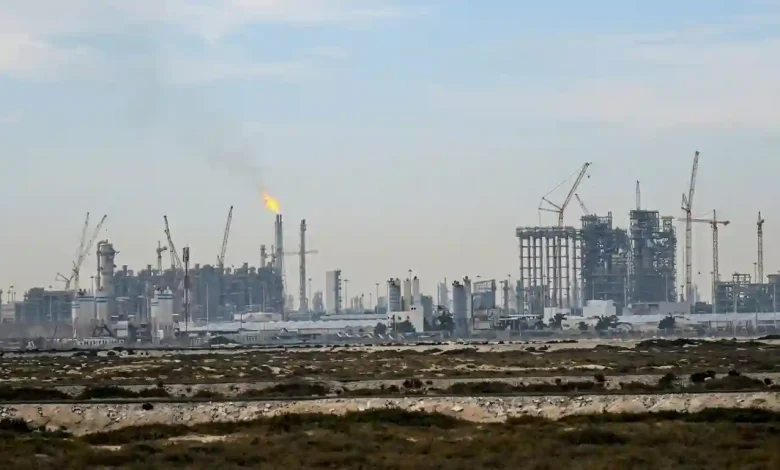
Table of Contents
Iranian energy infrastructure has narrowly escaped what was poised to be one of the most devastating joint air campaigns of the current Middle Eastern conflict. On Friday, July 31, 2026, reports surfaced from military and diplomatic sources indicating that the United States and Israel were preparing to launch a highly coordinated, large-scale bombing campaign targeting critical oil refineries, power grids, and electricity generation plants across the Islamic Republic of Iran. With strikes projected to take place over the weekend, the operation represented a major escalatory leap in the U.S.-Israeli war against Iran. However, in a stunning turn of events on Saturday night, U.S. President Donald Trump announced a suspension of the offensive, citing a rough framework of a newly brokered peace agreement that could reshape the geopolitical landscape of the Persian Gulf.
Imminent Bombing Threat to Iran’s Energy Sectors
The proposed military campaign aimed to strike at the physical and financial heart of the Iranian regime. For months, the coalition had restricted its operations primarily to air defenses, command bunkers, and drone launch facilities. Following weeks of intensive military operations, including a period of intense air warfare where the strikes entering their tenth night caused massive devastation, Washington and Jerusalem shifted focus toward permanent economic deterrence. The planned targets represented key logistical nodes necessary to sustain both the Iranian domestic population and its military-industrial complex.
Target Selection: Power Plants and Refineries
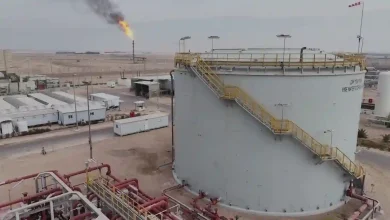
According to defense intelligence sources, the target list compiled by the Pentagon and Israel Defense Forces (IDF) was meticulously selected to paralyze the state’s capability to export oil while leaving minimal margin for immediate repair. This massive offensive was planned to be the climax of a campaign that had already witnessed the US bombs Iran for 11th night, leaving deep impacts on civilian and military facilities. Key targets under surveillance included the Abadan Refinery, the Bandar Abbas oil processing facilities, and several major thermoelectric power plants feeding the national power grid. By disabling these facilities, the coalition hoped to force Tehran into an unconditional surrender, halting its regional proxy operations and ending its nuclear ambitions.
Behind the Scenes: The Decision-Making and Internal Debate
The strategy behind this aggressive planning was hashed out in a series of highly classified meetings, culminating in a cabinet-level briefing at Camp David on Friday. While military command authorities favored a decisive blow to the clerical regime’s economic foundations, the political cost of such an offensive generated fierce debate within the administration. As the geopolitical crisis expanded, the mounting war with Iran costs forced deep questions in Congress regarding the sustainability of open-ended air campaigns and their long-term effect on the national debt.
Political Pushback inside the White House
Sources briefed on the Camp David discussions noted that White House political aides were strongly opposed to launching the strikes. The central point of contention was the timing. A massive disruption to the global energy supply on a Saturday or Sunday risked triggering an immediate panic in the international financial markets when they reopened on Monday morning. Officials spent hours discussing the logistics of compressing the bombing window to conclude prior to the opening of the Asian markets, yet the sheer scale of the target list made a clean, overnight operation virtually impossible. Ultimately, the political and economic risks of an energy crisis ahead of the domestic election cycle played a significant role in restraining the initial order.
Trump’s Sudden Announcement: Canceling the Strikes
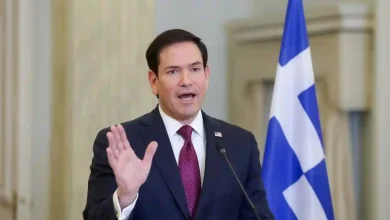
In a characteristic late-night development, President Donald Trump took to social media on Saturday evening to announce that he had agreed to “cancel the attack” on Iran. The decision came after a flurry of diplomatic communications facilitated by regional intermediaries. This pause is reminiscent of earlier phases of the conflict where we saw airstrikes resuming after brief diplomatic lulls, proving that negotiations remain highly volatile and dependent on immediate compliance from Tehran’s leadership.
The Truth Social Proclamation and Peace Framework
President Trump’s public statement outlined the basic perimeters of a potential deal. “We have just been asked by Iran, and other Middle Eastern Countries, to hold off any attack in that the perimeters of a deal has been agreed to,” Trump wrote on Truth Social. He asserted that the halt was agreed upon for the “survival of a successful and prosperous Iran,” provided that Tehran rapidly complies with terms including the total opening of the Strait of Hormuz and the verifiable dismantling of its nuclear threat. Israel reportedly joined the United States in committing to this diplomatic off-ramp, though military commanders remain skeptical of Iran’s sincerity.
Financial and Market Ramifications
The decision to hold back on the bombing campaign saved global energy markets from what many analysts predicted would be a historic price shock. Had the refineries in southwestern Iran been set ablaze, Brent crude prices were expected to soar past $120 a barrel within hours. The regional maritime security was a major focal point, especially under the active U.S. blockade on Iran which has restricted fuel shipments and disrupted normal mercantile operations throughout the Persian Gulf.
Strait of Hormuz Implications and Global Oil Prices
Economists and energy analysts warning about the broader Iranian war economic fallout have emphasized that targeting refineries could push oil prices well beyond historical thresholds, triggering widespread inflation in Western economies. By tying the cancellation of the strikes directly to the complete reopening of the Strait of Hormuz, the U.S. administration hopes to normalize shipping lanes that have been plagued by drone attacks, naval blockades, and minefields. A secure shipping corridor is critical not only for Middle Eastern producers but also for East Asian economies dependent on Gulf crude.
Historical Context of the Escalating Air War
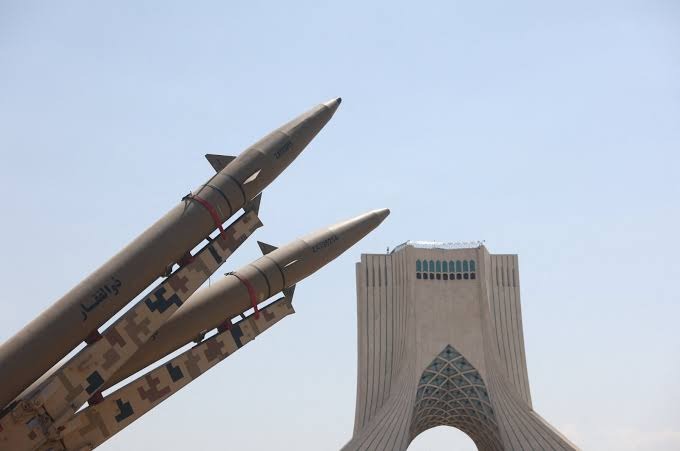
The conflict, which officially began on February 28, 2026, has seen multiple phases of intense escalation and brief, fragile truces. The initial strikes targeted military bases, but as the war dragged into its fifth month, both sides expanded their target portfolios. Under the Trump administration’s “maximum pressure” doctrine, the threat to destroy energy infrastructure has been used as a primary cudgel to force Tehran to the negotiating table. The table below outlines how the proposed campaign contrasted with previous phases of the 2026 conflict.
Detailed Comparison: The Projected Plan vs. Previous Actions
To understand the gravity of the planned weekend operation, it is essential to contrast it with previous military phases. The planned strikes were designed to cross a red line that both sides had previously avoided: the systemic destruction of non-military national assets.
| Conflict Phase | Primary Targets | Estimated Economic Impact | Diplomatic Status |
|---|---|---|---|
| Phase 1: Feb – April 2026 | Air Defense & Missile Silos | Minimal Direct Market Impact | Open Conflict / UN Debates |
| Phase 2: May – June 2026 | Command Centers & Proxies | Localized Maritime Disruptions | U.S.-brokered Truce Discussions |
| Phase 3: July 2026 | Coastal Radars & Gulf Assets | Moderate Oil Surcharges | Collapse of MOU / Renewed War |
| Proposed Weekend Campaign | Refineries, Power Plants, & Grids | Severe Global Price Shock (Projected) | Suspended; Pending Rapid Negotiations |
Strategic Postures and the Future of Regional Diplomacy
With the military assault plans being set aside, the focus has shifted entirely to intense backchannel diplomatic maneuvers. The transition from active battle plans to peace frameworks has put regional capitals on high alert, with embassies across Jordan, Iraq, and Israel warning citizens to prepare for sudden shifts in security. The diplomatic community remains deeply divided on whether this framework will hold or if it is merely a tactical delay before an even larger confrontation occurs.
International Diplomatic Intervention: The Role of Saudi Arabia
Saudi Crown Prince Mohammed bin Salman played a central role in halting the planned strikes. In a high-stakes phone call with President Trump on Saturday, the Crown Prince cautioned against the devastating consequences of targeting Iranian refineries. Riyadh’s intervention was driven by an acute awareness that any strike on Iranian energy facilities would likely prompt retaliatory attacks against Gulf Arab energy infrastructure, potentially pulling the entire region into a catastrophic economic depression. The Saudi leadership emphasized that a negotiated settlement was the only sustainable path to secure global supply chains.
What Lies Ahead for U.S.-Israeli Coordinated Defense
Crucially, the success of these negotiations rests on the discussions surrounding a Strait of Hormuz deal, which remains the single most critical choke point in global commerce. If Tehran fails to deliver on its promises to open the strait and halt its nuclear advances, the joint U.S.-Israeli command stands ready to immediately reactivate the bombing plans. The Pentagon has confirmed that strike assets, including strategic bombers and carrier strike groups, remain fully deployed in the region, keeping the “maximum pressure” leverage active as diplomats rush to put pen to paper.