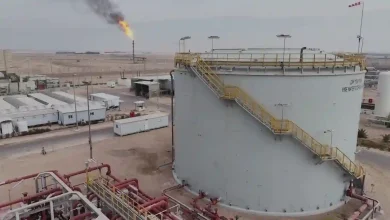
Iran war Day 155: Strait of Hormuz Crisis and Standoff
Table of Contents
Iran war dynamics on Day 155 represent a fragile and critical junction in modern Middle Eastern history. As the conflict reaches this significant milestone, both military actions and geopolitical negotiations are undergoing profound transformations. What began as a series of localized skirmishes has now evolved into a highly complex war of attrition involving regional coalitions, international superpowers, and severe economic challenges. The world is watching closely as military campaigns are balanced against last-minute backchannel diplomacy, leaving the future of the Middle East highly uncertain.
Iran War on Day 155: Overview of the Current Military Landscape
Analyzing the military developments on Iran war Day 155 reveals a strategic environment that is as quiet as it is dangerous. Following weeks of intensive combat, the active operations have experienced a relative lull compared to the events of Iran war Day 153. Rather than a sign of resolution, military strategists view this phase as a recalibration period. Both sides are reinforcing their forward positions, replenishing their guided missile reserves, and reassessing their defense networks in anticipation of the next phase. The active frontlines remain tense, with drone reconnaissance flights and naval patrols continuing at an unprecedented pace.
Furthermore, the operational footprint of both coalitions indicates a long-term defensive posture. On-the-ground intelligence suggests that troop rotations and replenishment cycles are being accelerated, showing that commanders on both sides are preparing for a sustained campaign rather than a rapid resolution. Air defense systems, including Patriot batteries and localized surface-to-air missile grids, have been placed on maximum alert status, reflecting the high stakes of this operational pause.
The Geopolitical Tensions and Strategic Deadlock
Diplomatic initiatives in recent days have unfortunately reached a strategic dead-end. Despite multiple proposals from international mediators, neither the Iranian leadership nor the opposing coalition has demonstrated a willingness to make fundamental concessions. Tehran insists on a complete lifting of all maritime blockades and the withdrawal of foreign forces from its immediate maritime zones as a prerequisite for formal talks. Conversely, the coalition forces demand the immediate dismantle of Iran’s advanced drone infrastructure and regional missile networks. This uncompromising stance has left diplomats with very little room to maneuver, while the threat of unintended military escalation grows daily.
Underneath this geopolitical posture lies a deeper regional division. Traditional alliances are being tested as neighboring countries attempt to balance their national security interests with their economic dependencies. Some Gulf states have quietly urged Washington to maintain diplomatic options open, fearing that a total collapse of negotiations could lead to a catastrophic regional spillover that would directly target their own industrial infrastructure.
Strait of Hormuz: The Ultimate Global Energy Chokepoint
The core of the economic and strategic struggle remains the critical shipping lanes of the Persian Gulf. An active Strait of Hormuz blockade has severely restricted the transit of commercial shipping, raising serious concerns for international oil markets and global supply chains. As one of the world’s most vital energy arteries, the Strait of Hormuz handles approximately 20% of the world’s daily petroleum consumption. Any prolonged closure or operational disruption threatens to trigger a major global energy shortage, driving inflation upward and putting immense pressure on fragile post-pandemic economic recoveries around the world.
Logistical and shipping giants have already begun rerouting their fleets around the Cape of Good Hope, a costly alternative that adds weeks to transit times and significantly increases carbon emissions and fuel expenditures. Insurance underwriting firms have also adjusted their risk assessments, raising war-risk premiums to unprecedented levels for any vessel attempting to navigate the Gulf of Oman or the Persian Gulf corridor, effectively halting standard commercial traffic.
Naval Confrontations and Maritime Escort Alliances
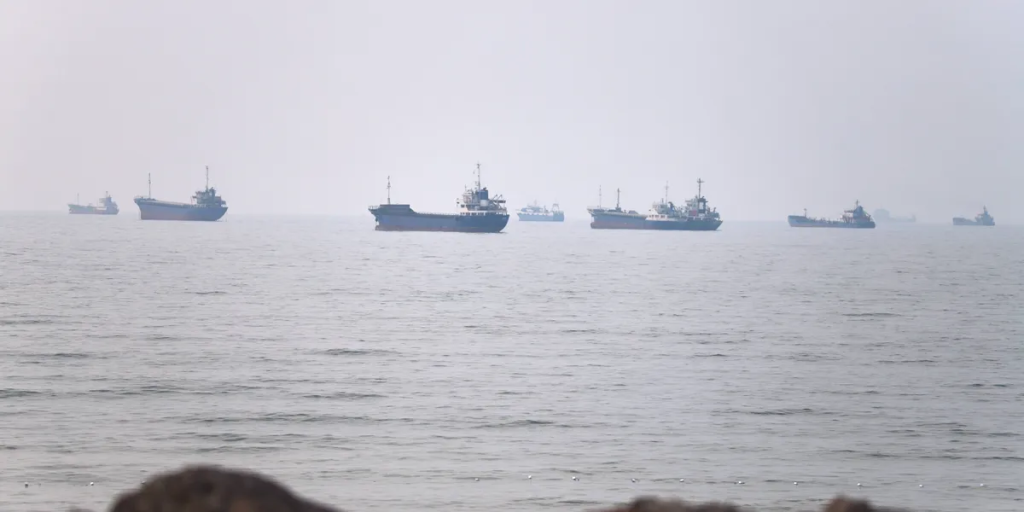
The situation at sea is further complicated by the ongoing Strait of Hormuz tanker crisis. Multiple commercial tankers have been intercepted, boarded, or shadow-tracked by naval patrols over the last few weeks. In response, a coalition of international naval forces has initiated maritime escort operations to safeguard trade routes. However, these patrols have occasionally resulted in high-stakes standoffs near sovereign waters, where even a minor tactical miscalculation by a naval commander could trigger an all-out maritime engagement.
US-Israel Coalition Dynamics and the Paused Strikes
A major development in the tactical landscape occurred when the US-led coalition adjusted its operational stance. Recently, Trump halts military strikes against certain high-value targets in southern and central Iran. This policy shift was designed to signal a willingness to engage in backchannel discussions and prevent the immediate outbreak of a wider hemispheric war. While some military planners argued for continuing the pressure campaign, the political leadership chose to prioritize defensive posturing and international consensus-building over unilateral offensive maneuvers.
This delicate balancing act between military deterrence and diplomatic openness highlights the internal debates occurring within Washington. Operational commanders are highly aware of the potential for fatigue among deployed forces, as well as the depletion of precision-guided munition stockpiles. By initiating a temporary pause, the coalition aims to consolidate its logistical lines while testing the diplomatic sincerity of Tehran’s leadership and its regional partners.
Evaluating Washington’s Shift Toward a Strategic Pause
Reports from high-level defense officials confirm that strikes on Iran were paused specifically to give regional mediators the time and space required to coordinate with Tehran’s leadership. This pause has been met with mixed reactions globally. Allies in Eastern Europe and East Asia have welcomed the reduction in immediate kinetic activity, while regional hawks warn that any pause in military pressure could allow opposing forces to reconstitute their depleted logistics networks and reinforce their underground missile silos.
The Mediation Efforts of Pakistan, China, and Regional Powers
With direct communication channels between Washington and Tehran virtually nonexistent, regional powers have taken on critical roles as diplomatic go-betweens. Pakistan, utilizing its unique diplomatic relationship with both Western nations and Middle Eastern states, has actively spearheaded backchannel negotiations. Simultaneously, Beijing and Moscow have maintained close contact with Iranian leaders, advocating for a phased de-escalation model. These mediation efforts focus on establishing a temporary security framework that would allow commercial shipping to resume safely while the broader geopolitical disputes are addressed in a structured diplomatic environment.
For Beijing, the primary driver is the long-term stabilization of its energy imports. As a major consumer of Middle Eastern crude, China has a vested interest in ensuring that the shipping lanes remain completely unobstructed. Diplomatic sources suggest that Chinese envoys have proposed a multi-lateral maritime safety accord, though the details remain highly contested by both primary combatants who view such proposals through a lens of deep strategic suspicion.
Infrastructure Damage: Drones, Missile Silos, and Air Defenses
Despite the current operational pause, the previous five months of conflict have left a visible mark on the region’s defensive and offensive capabilities. Strategic intelligence assessments indicate that deep-penetration strikes have severely degraded several drone manufacturing plants and ballistic missile launch installations. However, Iran’s strategic retaliation plan relies heavily on highly mobile, decentralized launching systems that are notoriously difficult to target or eliminate completely. As a result, even with damaged fixed infrastructure, the capability to launch coordinated drone swarms and high-speed cruise missiles remains a potent threat.
Military logistics hubs inside Iran have adapted to the threat of continuous air strikes by moving essential assembly operations into highly fortified, underground facilities. These