World War 3 Threat: Iran Warns Trump Could Ignite Global Catastrophe
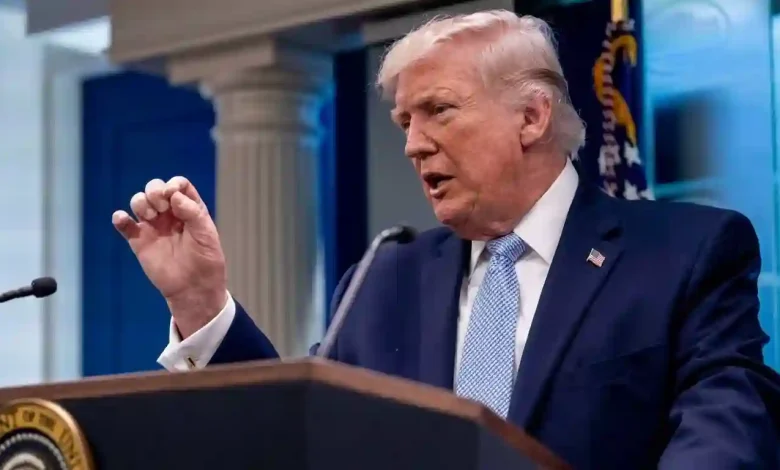
Table of Contents
Introduction: The Precipice of World War 3
World War 3 is no longer just a hypothetical dystopian scenario but an immediate threat to international security, according to top officials in Tehran. The Islamic Republic has claimed that U.S. President Donald Trump is pushing the international community toward the edge of a global catastrophe, warning that his latest brinkmanship could “ignite the spark of World War 3.” This severe warning follows a stark ultimatum issued by Washington, which declared that the current diplomatic window represents Tehran’s “last chance” to secure a comprehensive deal regarding its nuclear program and maritime conduct. Even as Donald Trump halts planned Iran military strikes in a sudden bid to create space for rapid diplomatic negotiations, Tehran’s rhetoric remains unyielding.
The escalation comes at a time when the Persian Gulf has become heavily militarized, with naval blockades, drone attacks, and retail energy prices soaring globally. In this context, the rhetorical clash is a dangerous game of chicken where any minor miscalculation could trigger a devastating regional war that rapidly pulls in global superpowers. While Washington demands total compliance, the newly reorganized Iranian leadership under Supreme Leader Mojtaba Khamenei is signaling that it is prepared to resist to the absolute limit.
The Battle for the Strait of Hormuz: A Sovereign Chokepoint
The core of the crisis revolves around the U.S. Navy’s enforcement of a blockade in the Strait of Hormuz, aimed at crippling Iranian illicit energy transfers. Donald Trump recently made the bold assertion that the strategic shipping lane could be opened “literally by tomorrow,” implying that a US-dictated agreement is imminent. However, this optimism is strongly contested by the high command of the Islamic Revolutionary Guard Corps (IRGC) and the Supreme Leader’s inner circle.
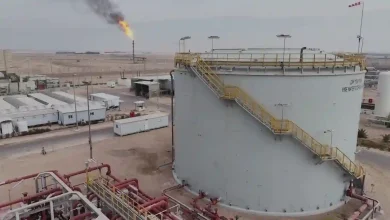
The Strait of Hormuz is widely considered the world’s most critical oil transit chokepoint. Nearly a fifth of the world’s petroleum consumption transits through this narrow passage daily, making it a critical hub for global energy security. Iran has long viewed its geographical control over the strait as its ultimate defensive and offensive trump card against Western economic sanctions. Any threat to completely close the waterway or impose a foreign-policed alternative route is viewed by Tehran as an existential threat to its sovereignty and its economy.
The Proposed ‘Second Corridor’ and Naval Enforcements
In response to the U.S.-led blockade, which has heavily restricted Iranian merchant traffic, Washington and its coalition partners have proposed establishing a “second corridor” or an alternative shipping route through the Strait of Hormuz. This proposed corridor would bypass Iranian-controlled territorial waters, relying instead on joint international patrols and Omani territorial waters to secure safe passage for commercial tankers.
While Washington pushes for an alternative passage, Tehran remains opposed to any international Strait of Hormuz deal that reduces its sovereign control over the waterway. Major General Mohsen Rezaei, a senior military adviser to Supreme Leader Mojtaba Khamenei, issued an unambiguous warning on Iranian state television: “We will not allow a second corridor to be opened in the Strait of Hormuz, and any warship or military force that approaches it will be hit”. Rezaei’s statements, which were monitored and translated by the Israeli public broadcaster Kan, demonstrate that Iran is prepared to use kinetic force to prevent any erosion of its strategic dominance.
This confrontation comes on the heels of numerous maritime incidents where an Iranian commercial ship or military asset clashed with enforcing coalition warships. Tehran insists that any alternative corridor violates historical maritime agreements and represents an illegal foreign occupation of regional waters.
Inside Tehran’s Power Dynamics: Mojtaba Khamenei and Mohsen Rezaei
The aggressive military posture from Iran is deeply tied to recent shifts in its domestic leadership structure. With Supreme Leader Mojtaba Khamenei now steering the nation’s strategic direction, the clerical establishment has adopted a far more assertive, uncompromising foreign policy. Mojtaba Khamenei’s consolidation of power has been accompanied by the promotion of old-guard military figures who prioritize ideological resistance over diplomatic compromise.
Among these figures is Mohsen Rezaei, the former commander-in-chief of the IRGC, who now serves as Khamenei’s top military adviser. Rezaei is known for his hardline stance and has long advocated for asymmetric warfare as the most effective tool to deter U.S. hegemony. His recent media appearances are designed to project absolute confidence, arguing that Iranian regional command and missile capabilities have successfully pushed back American forces from forward bases in Qatar and Jordan.
Security analysts note that Iran bets on calibrated provocations to maintain domestic stability and international leverage without sparking an immediate all-out war. However, by threatening to target any coalition warship that attempts to enforce the “second corridor,” Rezaei is raising the stakes to a level where a direct, lethal military exchange is increasingly likely.
Rhetorical Warfare: Trump’s ‘Begging’ Claims vs. Iran’s Denials
A parallel battle of narratives is playing out in the media. U.S. President Donald Trump has repeatedly claimed that the Iranian regime is on its knees due to the economic blockade. During a press brief, Trump asserted that Tehran had “begged” for negotiations and that talks are actively ongoing behind the scenes. Trump’s characteristic hyperbole is intended to show the effectiveness of his “maximum pressure” campaign, reassuring voters and allies that his strategy is on the verge of a historic breakthrough.
While President Trump claimed the Iranian regime had ‘begged’ for negotiations and that talks are currently ongoing, the official Iranian stance rejects any suggestion of submission. Tehran’s foreign ministry was quick to hit back, and Iran denies peace talks are proceeding under Washington’s dictated conditions. Instead, they frame the diplomatic contacts as routine regional dialogue mediated by third parties, such as Pakistan and Oman.
Timeline of Military Confrontations and July Strikes
The current diplomatic standoff is the direct result of months of intensifying military exchanges. This rapid escalation follows the heavy military friction seen in July, when U.S. Strikes against Iran targeted tactical infrastructure and coastal missile batteries. These operations were initiated following the collapse of a Pakistan-mediated ceasefire, which fell apart due to disputes over frozen assets and maritime transit rules.
The July strikes represented the most intense direct conflict between the United States and Iran in decades, with U.S. forces conducting multiple waves of air attacks against Iranian drone sites, radar installations, and IRGC command hubs. Tehran retaliated with coordinated ballistic missile and one-way attack drone barrages targeting U.S. bases in Iraq, Syria, and regional maritime coalitions. The heavy toll of these strikes has only hardened the resolve of Iranian military planners, who now claim to have inflicted severe operational costs on the United States.
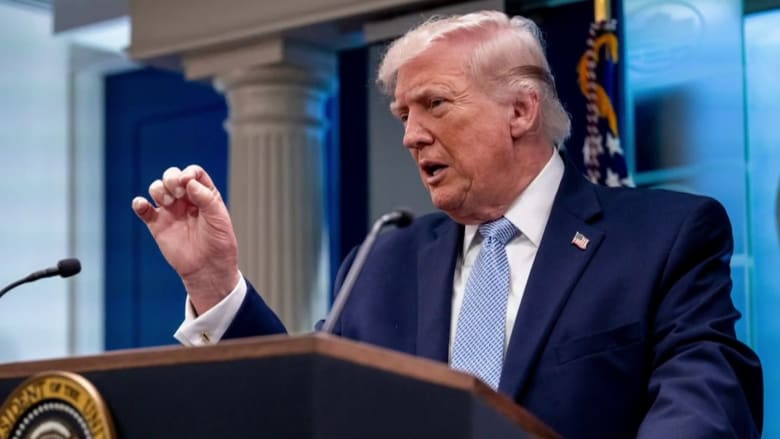
Comparing the Geopolitical Positions: US vs. Iran
To understand the deep-seated divisions that threaten to ignite World War 3, it is useful to compare the core demands and positions of both administrations.
| Issue Area | United States Position | Iran Position |
|---|---|---|
| Strait of Hormuz Transit | Demand free, unhindered transit under international patrol and proposed alternative “second corridor” to bypass Iranian interference. | Insist on exclusive sovereign control over Iranian waters, rejecting any alternative foreign-policed corridors. |
| Sanctions and Economy | Maintain “maximum pressure” and naval blockade until a comprehensive nuclear and regional security deal is signed. | Demand immediate lifting of the blockade, return of frozen funds, and recognition of sovereign trading rights. |
| Diplomatic Status | Claims Tehran is “begging” for a deal and that the current window is their “last chance” before devastating action. | Rejects “begging” claims as psychological warfare; insists on a mutual treaty based on the June memorandum of understanding. |
| Military Posture | Demonstrates willingness to resume heavy airstrikes, while temporarily halting operations to allow diplomatic breakthroughs. | Threatens to sink any US or coalition warship that attempts to enforce the “second corridor” or alternative routes. |
Global Economic Impact: Oil and Shipping Disruptions
The threats of war in the Strait of Hormuz have sent shockwaves through global financial and commodity markets. Oil prices have already tested historical highs, threatening to trigger severe inflationary pressures across major Western economies. Shipping companies are faced with astronomical insurance premiums to transit the Persian Gulf, prompting many of the world’s largest container fleets and tankers to reroute around the Cape of Good Hope, adding weeks to transit times and compounding global supply chain bottlenecks.
If Iran acts on Mohsen Rezaei’s threat to strike any warship approaching the proposed second corridor, the physical disruption to global oil supplies would be instantaneous. Economists warn that a prolonged closure of the Strait of Hormuz could plunge the global economy into a severe recession, sparking fuel shortages and driving the cost of energy to unprecedented levels. This economic leverage is precisely why Tehran feels empowered to issue such high-stakes threats, betting that the West’s fear of economic collapse will prevent them from engaging in a sustained military campaign.
Future Outlook: Is Diplomatic Reconciliation Possible?
As the countdown on the U.S. “last chance” ultimatum ticks away, the path to a peaceful resolution is exceptionally narrow. Both Donald Trump and Mojtaba Khamenei are locked into public positions that leave little room for compromise without losing face domestically. For Trump, any concession that allows Iran to dictate terms in the Strait of Hormuz would be viewed as weakness by his political opponents and allies alike. For Khamenei, backing down under the threat of U.S. military action would undermine his newly consolidated leadership and the revolutionary legitimacy of the regime.
Nevertheless, diplomatic backchannels remain active. Regional mediators, including Pakistan, Oman, and Qatar, are working tirelessly to bridge the gap and draft a modified framework that satisfies basic security requirements for both sides. The global community can only watch and wait, hoping that pragmatism will ultimately prevail over the rhetorical posturing that has brought the world to the brink of a catastrophic, wide-ranging war.