Iran’s Surprise Attack Prompts Trump’s Warning of a ‘Beating’ 2026
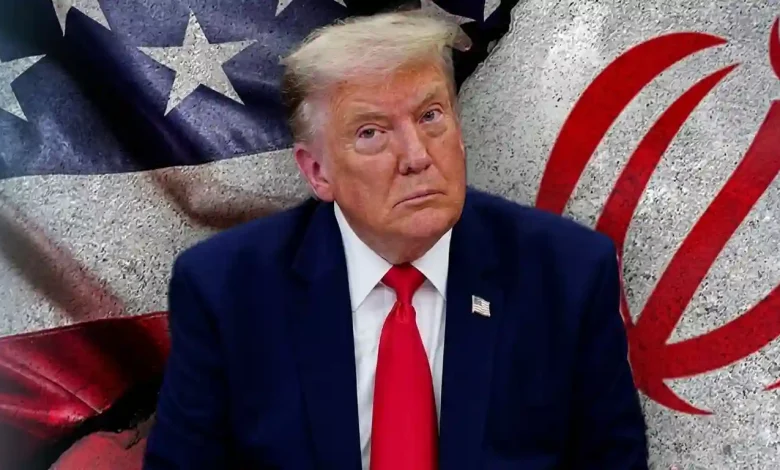
Table of Contents
Iran’s surprise attack on American forces in Jordan has shattered the fragile, days-long pause in direct military action between the two nations, setting the stage for a dramatic escalation in the Middle East. For a brief moment, international observers hoped that a temporary pause in direct kinetic strikes would yield a diplomatic breakthrough. Those hopes evaporated overnight when ballistic missiles targeted U.S. military installations in Jordan, prompting an immediate and furious response from Washington. This sudden reignition of active conflict highlights how quickly tactical military events can erase hard-fought diplomatic progress, dragging global powers back to the brink of a much larger war.
The Reignition of Direct Hostilities
The abrupt termination of the four-day ceasefire has shocked regional actors who had been working behind the scenes to establish a formal framework for peace talks. The temporary pause, which was intended to allow neutral intermediaries in Switzerland to present a roadmap for sanctions relief and maritime security, has instead been replaced by active military operations. Analysts argue that the suddenness of the strike indicates a deep division within Tehran’s leadership, where hardline military elements may have sought to deliberately sabotage diplomatic efforts. As direct exchanges of fire resume, the likelihood of a localized containment of the conflict has diminished significantly, placing allied forces throughout the region on high alert.
Trump’s Fierce Rhetoric: Vowing a “Beating”
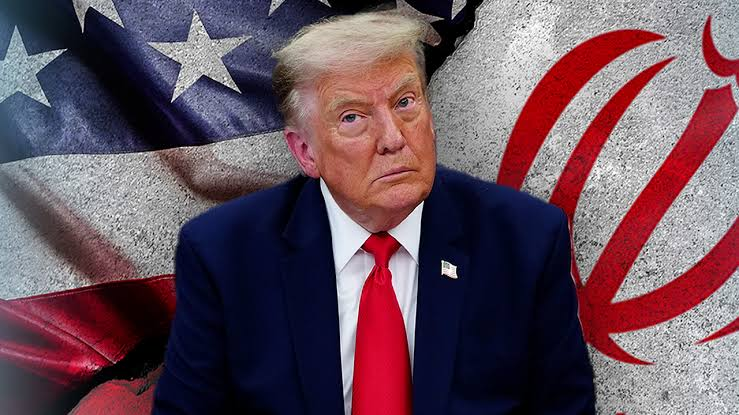
President Donald Trump did not mince words when addressing the incident. In a high-profile interview with Fox News, the President expressed immense anger over the attack on American soldiers. Trump declared that the Islamic Republic is “going to get a beating” and warned of immediate, heavy retaliatory strikes against key assets. Using characteristically aggressive language, the President emphasized that the era of strategic patience was over. This aggressive posture has become a defining characteristic of the Iran war under President Trump, wherein Washington has increasingly relied on disproportionate military responses to establish deterrence. Trump’s immediate rhetoric signals that the administration has completely abandoned its short-lived diplomatic trajectory in favor of maximum military pressure.
The Surprise Strike in Jordan Details
The attack itself targeted a military outpost in Jordan, where approximately 4,000 U.S. troops are stationed to support regional stability and counter-terrorism operations. According to U.S. Central Command, multiple ballistic missiles were launched toward the base under the cover of darkness. While advanced Patriot air defense systems successfully intercepted the incoming threats, preventing catastrophic casualties, the event was described as a near-miss that left personnel with only minutes to find shelter. Military officials noted that this was the first direct attempt on American military forces in Jordan since the initial phases of the war. The narrow escape underscores the high risks faced by American personnel, occurring shortly after intensive airstrikes on Iran entered their 13th night during the early phase of the war, establishing a dangerous precedent of direct regional targeting.
Disruption to Global Energy Markets and Oil Price Surge
Global financial and energy markets immediately felt the shockwaves of the reignited conflict. Global oil prices climbed more than 7 percent immediately following President Trump’s aggressive remarks, reflecting intense panic among commodities traders. Brent crude surged past $86 per barrel as fears of prolonged shipping disruptions in the Middle East intensified. The primary concern among energy analysts is the potential closure or heavy contestation of the Strait of Hormuz, a critical transit choke point responsible for the movement of nearly 20 percent of the world’s daily petroleum supply. The sudden spike in crude futures has renewed fears that systemic, energy-driven inflation threatens the economy as the war in Iran shows no signs of an imminent resolution, placing additional strain on global supply chains and consumer wallets alike.
Chronological Impact on Global Oil Prices (2026)
| Date / Period | Brent Crude Price (per Barrel) | Strategic Context / Key Event |
|---|---|---|
| Pre-War (Feb 2026) | ~$70 | Stable global supply chains, normal energy transit. |
| Peak Escalation (April 2026) | ~$126 | Initial U.S.-Israeli strikes, intense supply panic. |
| Diplomatic Lull (June 2026) | ~$72 | Ceasefire talks in Switzerland, temporary stabilization. |
| Surprise Attack (Late July 2026) | ~$86 – $89 | Trump vows “beating” in response to Jordan base attack. |
Diplomatic Failures and the Collapsing Ceasefire Framework
The collapse of the multi-day pause is a stark reminder of the limits of back-channel diplomacy in highly volatile conflict zones. Just days prior to the surprise attack, diplomats from neutral European countries had expressed cautious optimism that a memorandum of understanding was within reach. However, the unexpected launch of ballistic missiles by Tehran-aligned forces completely derailed these delicate talks. This development led to a scenario where Trump halts planned Iran negotiations entirely, choosing instead to re-engage in direct military planning. White House officials have stated that they have “no interest” in resuming talks under the threat of active bombardment, effectively closing the diplomatic window and signaling a return to a purely kinetic strategy of containment.
Strategic Calculations and the Role of Key Proxies
Tehran’s defense doctrine has long relied on its asymmetrical network of regional proxies to project power and maintain a degree of plausible deniability. Following the attack, Iranian state media quickly moved to distance the regime from the operation, with Iran accusing the United States of manipulating the incident to justify further aggressive acts in sovereign territories. Despite these denials, Western intelligence reports state that the ballistic missiles utilized in the Jordan assault are manufactured and supplied directly by the Islamic Revolutionary Guard Corps (IRGC). By using proxy forces to execute the strike, Tehran attempted to test Washington’s resolve without triggering a direct, all-out attack on the Iranian mainland—a high-stakes gamble that appears to have backfired given Trump’s furious response.
Economic Fallout: Inflation and Global Market Reactions
The economic repercussions of this latest escalation extend far beyond the oil markets. Wall Street and European stock indices saw significant sell-offs immediately following the news, as institutional investors fled to safe-haven assets such as gold and U.S. Treasury bonds. Technology and manufacturing sectors, which are heavily reliant on stable global shipping and energy costs, took the hardest hit. Economists warn that if the conflict continues to expand, the compounded effects of higher shipping insurance premiums, delayed maritime transit around the Cape of Good Hope, and elevated fuel costs will inevitably trigger a secondary wave of global inflation. This threatens to complicate the monetary policies of central banks worldwide, which are already struggling to balance growth with price stability in a highly volatile geopolitical climate.
Military Expenditures and Domestic Backlash in the U.S.
Back in Washington, the continuous financial demands of the military campaign are sparking intense debate. As the Iran war reached day 156, the total estimated cost of American operations has surged past tens of billions of dollars. Defense Secretary Pete Hegseth recently appeared before Congress to defend a massive supplemental funding request designed to replenish critical missile defense systems and offset operational costs in the Middle East. While congressional leadership remains largely supportive of protecting American service members, a vocal minority of lawmakers has repeatedly introduced legislation aimed at limiting the administration’s war powers. However, these legislative efforts have consistently failed to gain traction, highlighting a deep-seated polarization over foreign policy and defense expenditures during a time of fiscal anxiety.
Geopolitical Alignment: The Emerging Role of China and Regional Partners
The geopolitical alignment of international superpowers is also shifting as the conflict enters this dangerous new phase. Saudi Arabia’s recent kinetic involvement, marked by airstrikes alongside U.S. forces against pro-Iran militias in eastern Iraq, represents a significant shift in regional security dynamics. At the same time, China’s economic maneuvering has quietly altered the impact of traditional energy weapons. While reports suggest that Beijing has continued to provide subtle diplomatic and logistical backing to Tehran, China has also mitigated the risk of a global oil shock by utilizing its strategic petroleum reserves and pivoting to pipeline imports from Russia. Because of these complex global buffers, Tehran rejected Trump’s proposals for direct containment, banking instead on a complex network of international patrons to weather the economic and military storm.
The Road Ahead: Escalation or Eventual Containment?
The current state of affairs between Washington and Tehran remains incredibly precarious. With the diplomatic track effectively frozen and both sides committed to maintaining their respective military postures, the risk of an unintended slide into an all-out regional war is higher than ever. The international community, led by European allies, continues to call for restraint, but such pleas are falling on deaf ears in both capitals. Whether President Trump’s promised “beating” will serve as a successful deterrent or act as the catalyst for an unprecedented wider conflict is a question that will shape the global geopolitical landscape for years to come. In the coming days, the movements of naval assets and the deployment of additional defense systems will provide key indicators of whether containment remains possible, or if the region is headed toward a total military confrontation.