Trump Halts Planned Iran Strikes to Demand Rapid Nuclear and Shipping Deal 2026
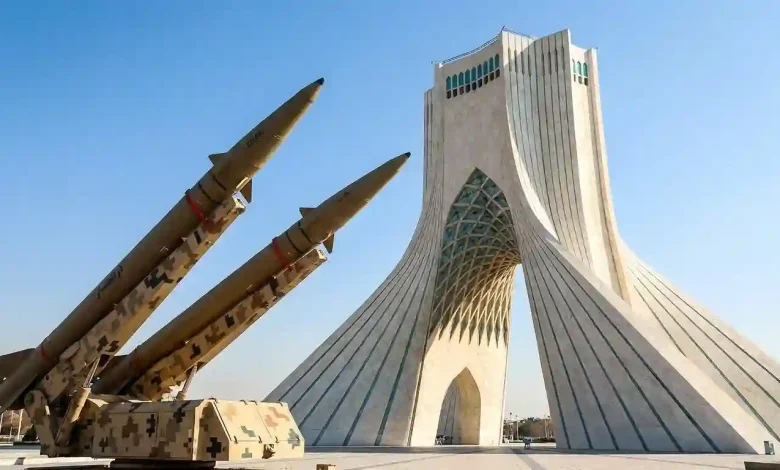
Table of Contents
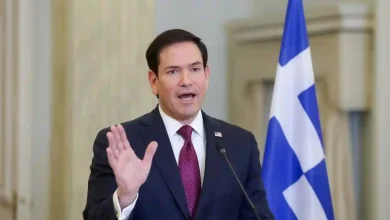
Trump stunned the global community by announcing a sudden halt to military operations in the Middle East, marking a potential diplomatic turning point in a multi-month confrontation that had brought the world’s primary energy corridors to the brink of collapse. Writing late Saturday night on his proprietary platform, Truth Social, the U.S. President claimed that Iran alongside key Middle Eastern partners had requested a temporary reprieve to finalize a comprehensive treaty. The framework, according to the administration, would mandate the “Immediate, Complete and Total” reopening of the critical Strait of Hormuz and bring about “an end to Iran’s nuclear threat”. This unexpected diplomatic pivot represents a sharp shift in the U.S. approach, with Trump’s decision to suspend the operations surprising both allies and adversaries who had braced for a devastating aerial campaign.
The sudden de-escalation followed days of intense rhetorics and threats of massive retaliatory strikes from both Washington and Tehran. What began as localized naval skirmishes has since ballooned into a multi-theater conflict, with hostile engagements expanding from the Persian Gulf to the Red Sea, and recently threatening a critical Egyptian maritime facility in the Mediterranean. While the pause has injected tentative optimism into financial and energy markets, the underlying geopolitical tensions remain highly volatile, especially given the contrasting narratives emanating from Washington and Tehran.
The Truth Social Proclamation and the Pivot to Diplomacy
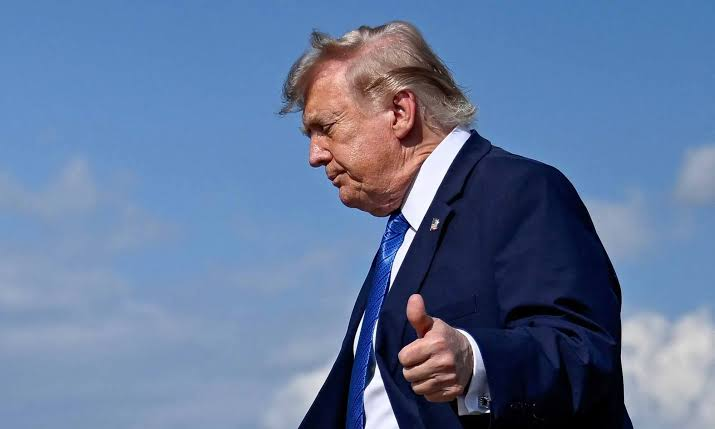
The White House’s sudden change of course was formalized in a characteristically dramatic social media statement. The U.S. President warned that while he was willing to negotiate, the United States remained “locked and loaded and ready to go” with levels of “Military Terror, Strength, and Power not seen since World War II” if the diplomatic avenue collapsed. However, he emphasized that the decision to halt the imminent strikes was made out of a genuine desire for a peaceful resolution that would benefit global stability. The condition for this pause was made explicitly clear: Tehran must “rapidly make a DEAL”.
Regional observers note that the proposed framework covers two of the most critical flashpoints in modern geopolitics: the complete restoration of freedom of navigation through the Strait of Hormuz—which was heavily militarized in early March—and a definitive resolution to Iran’s nuclear enrichment capabilities. The involvement of regional partners in requesting this diplomatic pause suggests that neighboring Gulf states, particularly Saudi Arabia and the United Arab Emirates, have worked tirelessly behind the scenes to avoid a catastrophic regional war that would devastate their economic infrastructures.
Anatomy of the Postponed Military Action
The Impending Strikes on Critical Infrastructure
Before the Truth Social announcement, the U.S. military and its regional allies were reportedly hours away from launching a massive coordinated offensive. Intelligence reports indicated that the Pentagon had drawn up extensive targets for upcoming retaliatory operations designed to systematically dismantle Iran’s refining capabilities and naval assets in the Gulf. This planned offensive was widely seen as the administration’s response to persistent drone and missile attacks targeting American military personnel and international commercial shipping vessels.
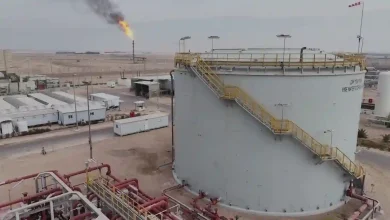
Defense analysts suggest that the planned strikes would have targeted key Iranian energy nodes, including the primary export terminals on Kharg Island and domestic petrochemical installations. By threatening these critical assets, Washington aimed to force a decisive choice upon the political leadership in Tehran. However, the potential for catastrophic collateral damage—including ecological disasters and a complete shutdown of regional energy exports—prompted intense debate within the joint chiefs of staff and allied command centers.
Behind-the-Scenes Mediation and Regional Pressure
The diplomatic breakthrough was largely catalyzed by urgent regional mediation. Reports indicate that Saudi Crown Prince Mohammed bin Salman conducted a series of high-stakes phone calls with Washington, emphasizing the acute threat that a full-scale bombardment posed to the security of neighboring oil fields. Following these high-level calls from Riyadh and regional mediators, the administration abruptly halted the offensive, opening a fragile window for diplomatic engagement.
Diplomatic sources indicate that Pakistan and Türkiye also played vital roles in facilitating indirect communication between Washington and Tehran. These neutral channels allowed both sides to convey their minimum thresholds for a ceasefire without the political cost of public concessions. The mediation focused heavily on establishing a temporary maritime safety framework to prevent further escalation in the highly congested shipping lanes of the Middle East.
Iranian Rejectionism and the Narrative of ‘Psychological War’
The Rejection of U.S. Claims by Tehran
Despite the optimistic tone of the American announcements, the political and military leadership in Tehran quickly disputed the narrative of the negotiations. Iranian state media and military spokespersons labeled the claim that they had requested a pause as a “complete fabrication” designed to project American dominance. During these critical moments of the conflict, Tehran insisted its military remains on high alert and will not capitulate under psychological pressure.
Iranian military officials countered that their forces were fully prepared to absorb any initial strikes and launch immediate retaliatory attacks against allied military installations and regional energy infrastructure. These developments align with Tehran’s official accusations that Washington is deploying coercive diplomacy to secure unilateral concessions while maintaining an active economic blockade on the country.
Oman’s Role and Alternative Maritime Negotiations
Rather than negotiating directly with Washington, Iranian diplomats have focused their efforts on regional bilateral frameworks, primarily mediated by Muscat. The Iranian Foreign Ministry confirmed that discussions are underway with Omani authorities to establish a designated temporary route for resuming maritime traffic. This pathway would bypass some of the militarized zones of the Strait of Hormuz, potentially easing the severe supply chain blockages without requiring a formal, comprehensive treaty with the United States.
Critics argue that this diplomatic compartmentalization reflects the limitations of the broader administration strategy, which oscillates rapidly between maximum military pressure and sudden offers of dialogue. By pursuing localized agreements with Gulf neighbors, Tehran seeks to undermine the U.S.-led international coalition and demonstrate that regional security can be managed without Western military intervention.
Economic Fallout: Global Oil Markets and Shipping Disruptions
The Plunge in Crude Prices
The economic repercussions of this sudden de-escalation were felt instantly across global financial and energy markets. On Monday, oil benchmarks experienced their sharpest single-day decline in weeks. Brent crude dropped over 5% to settle around $83 per barrel, while West Texas Intermediate (WTI) followed a similar downward trajectory, falling below $80. This dramatic price correction contradicted recent energy market projections that had braced for triple-digit crude prices if hostilities escalated further.
Market analysts note that while the sell-off reflects immediate relief, the long-term outlook remains highly uncertain. The sharp reduction in geopolitical risk premiums could easily reverse if the scheduled diplomatic talks stall or if either party engages in provocative actions. Investors remain highly sensitive to any rhetoric coming from Truth Social or the Iranian Foreign Ministry, recognizing that the current peace is exceptionally fragile.
Shipping Realities in the Hormuz and Red Sea Straits
Despite the temporary suspension of airstrikes, maritime operators remain deeply cautious. The shipping corridors of the Middle East, including the Strait of Hormuz and the Bab el-Mandeb, continue to witness reduced traffic volumes as insurance premiums for commercial vessels remain at historic highs. The safety of transit routes remains the paramount concern of the international community as they monitor the unfolding diplomatic efforts.
The spread of attacks to non-traditional arenas, such as the Red Sea and Egyptian facilities, has forced major shipping conglomerates to permanently reroute vessels around the Cape of Good Hope, adding significant time and fuel costs to global trade. A sustainable economic recovery will require more than just a temporary pause in airstrikes; it demands a legally binding international agreement that guarantees freedom of navigation and protects commercial vessels from state-sponsored harassment.
A Strategic Analysis: Re-escalation or Breakthrough?
The current state of play represents a classic geopolitical standoff where both sides seek to leverage the threat of overwhelming force to extract diplomatic concessions. The U.S. administration’s insistence on a “rapid deal” reflects the political pressures of an election-wary domestic audience facing high fuel prices and inflation. Conversely, Iran’s refusal to acknowledge any formal requests for a pause demonstrates its commitment to maintaining strategic deterrence and domestic credibility.
According to Reuters reporting, international diplomats are working against a tight clock. Without an explicit mechanism to verify de-escalation, any small tactical mistake in the Persian Gulf could trigger an immediate return to full-scale hostilities. The coming days will test whether this temporary pause can be transformed into a durable diplomatic framework or if it merely serves as a brief interlude before a much larger and more destructive confrontation.
| Issue / Dimension | United States (Trump Administration) | Islamic Republic of Iran |
|---|---|---|
| Initiation of De-escalation | Claims Iran and regional partners urgently requested a pause in planned strikes to complete a deal. | Flatly denies making any such request, labeling Trump’s statement “a new lie” and psychological warfare. |
| Strait of Hormuz Status | Demands “Immediate, Complete, and Total” reopening for international shipping. | Maintains militarized control but is negotiating “temporary” routes through Omani mediation. |
| Nuclear Program | Demands a rapid, comprehensive deal ending Iran’s nuclear threat permanently. | Rejects unilateral concessions under the threat of “locked and loaded” military action. |
| Military Readiness | Warns that forces are prepared to launch strikes with unprecedented strength if talks fail. | Declares armed forces are at the highest level of readiness to retaliate against energy targets. |