Strait of Hormuz Under Siege 2026: IRGC Seizes MSC Cargo Ships
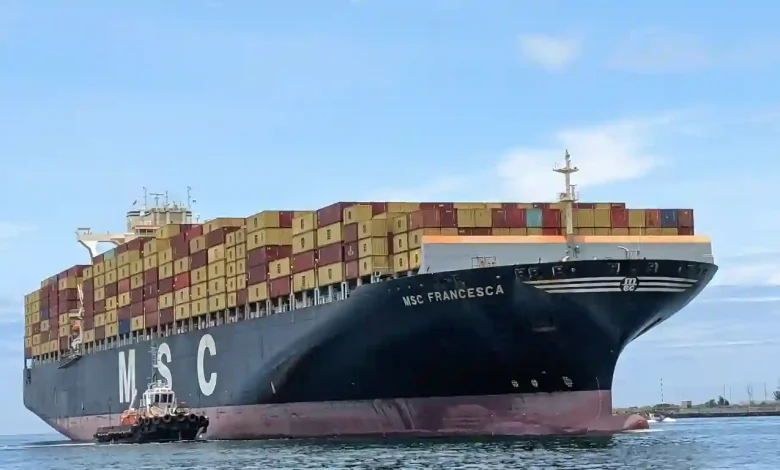
Table of Contents
Strait of Hormuz is at the heart of a rapidly escalating global security crisis that is rewriting the rules of maritime engagement and testing the resilience of international diplomatic frameworks. Over the past twenty-four hours, the Islamic Revolutionary Guard Corps (IRGC) Navy conducted a series of aggressive boarding operations and armed strikes targeting commercial vessels in this strategic chokepoint. These actions, which have resulted in the seizure of two massive container ships operated by Mediterranean Shipping Company (MSC) and the grounding of a third UAE-owned vessel, come at a highly sensitive time. The sudden escalation in the Persian Gulf occurs as the broader ongoing conflict as it reached its day 154 mark continues to redraw the geopolitical boundaries of the region. Maritime security experts warn that this coordinated assault represents a major paradigm shift, morphing a localized conflict into a global systemic threat to shipping routes.
These volatile events took place in the wake of critical diplomatic moves when Donald Trump canceled strikes against Iranian mainland targets in an attempt to foster a negotiation corridor. Instead of de-escalating, however, Tehran has capitalized on this operational pause to intensify its maritime assertiveness, deploying fast-attack crafts and armed commandos to intercept shipping lanes. By weaponizing these maritime choke points, Iran aims to assert absolute sovereignty and squeeze Western shipping lines while maintaining a stranglehold over control over Iranian energy exports. The international community now faces a dual challenge: managing a localized humanitarian crisis in southern Lebanon while simultaneously addressing the functional shutdown of the world’s most critical transit route for crude oil and containerized freight.
The Strait of Hormuz Under Siege: Detailed Analysis of the IRGC Attacks
The operational coordinates of the IRGC’s latest offensive show a meticulous, multi-pronged attack pattern deployed across the narrowest sections of the Strait of Hormuz. In the early morning hours, IRGC Navy fast-attack craft swarmed a convoy of eastbound commercial vessels. The primary targets of this assault were two container ships affiliated with Mediterranean Shipping Company (MSC), the world’s largest container shipping line. According to maritime tracking data and reports from regional monitoring agencies, the vessels were boarded by armed commandos who dropped from helicopters and scaled the hulls using tactical ladders. The speed and coordination of the operation left the unarmed merchant crews with virtually no time to issue distress calls or execute evasive maneuvers.
The Seizure of MSC Francesca and MSC Epaminondas
The two seized vessels, the Panama-flagged MSC Francesca (11,312 TEU) and the Liberia-flagged MSC Epaminondas (6,690 TEU), were forced off their courses under gunpoint. The IRGC Navy issued statements claiming that both vessels had engaged in “unauthorized transit,” “endangered maritime safety,” and “manipulated navigational transponders” in an attempt to cross the strait covertly. Despite these official justifications, maritime analysts point out that the ships were simply transiting international lanes on routine commercial routes. While the MSC Francesca was directed to the Iranian coast, the MSC Epaminondas sustained significant superstructure and bridge damage during the initial boarding. The crews of both vessels, comprising dozens of international seafarers, have been detained by Iranian authorities, and their current physical condition remains unconfirmed as they are held in custody near Bandar Abbas.
The Grounding of the Cargo Ship Euphoria
In addition to the MSC seizures, a third commercial vessel, the Panama-flagged bulk carrier Euphoria, which is operated by Silmar and owned by UAE-based interests, was also targeted. Unlike the MSC vessels, the crew of the Euphoria attempted to outmaneuver the approaching IRGC gunboats. This defiance led to the Iranian forces opening fire on the vessel’s bridge and propulsion systems. Heavily damaged and seeking to avoid total capture, the vessel was eventually driven aground off the coast of Iran’s southern mainland. The complete halt of container vessel traffic through Hormuz has severe financial repercussions, as inflation threatens the global economy due to skyrocketing freight insurance rates and oil supply disruptions. The grounded hull of the Euphoria stands as a stark physical monument to the complete breakdown of safe passage through the waterway.
Diplomatic Fallout: Trump Administration and the Two-Tier Ceasefire Concept
The diplomatic response from Washington has introduced a highly controversial framework that is currently sending shockwaves through the maritime industry and international legal circles. This aggressive naval posturing is reminiscent of previous drone attacks on merchant ships in the region, which underscored the extreme vulnerability of international freight corridors. However, rather than declaring the IRGC boarding operations a clear breach of the existing ceasefire, the Trump administration has taken a surprisingly hands-off approach. This stance has effectively created a two-tier security environment in the Persian Gulf, where only vessels directly registered under the United States flag or sailing with direct American military escort are afforded physical protection.
Press Secretary Karoline Leavitt’s Controversial Clarification
White House Press Secretary Karoline Leavitt defended this policy during a tense press briefing, stating explicitly that the seizure of the MSC Francesca and MSC Epaminondas does not violate the terms of the active US-Iran ceasefire. Leavitt’s justification rested on the flag states of the vessels, noting that because they were Panama-flagged and Liberia-flagged international vessels—rather than US or Israeli-owned ships—the actions do not trigger a military response under the current truce agreements. This legalistic distinction has left international shipping alliances highly vulnerable, as major maritime countries realize that their commercial fleets are now fair game for Iranian aggression. Military analysts note that the White House’s strategic ambiguity has left many regional allies on edge, with rumors of Trump weighing a massive retaliatory strike to re-establish deterrence if US interests are directly hit.
Ghalibaf’s Defiance: Iran Declares the Strait Closed to Transits
From Tehran, the political leadership has used the incident to project absolute control over the region’s geography. Iran’s chief negotiator and Parliament Speaker, Mohammad Bagher Ghalibaf, delivered a defiant address stating that it is “not possible to reopen the Strait of Hormuz considering all the blatant violations of the ceasefire”. Ghalibaf argued that the continuing US naval blockade of Iranian ports and unilateral sanctions represent an ongoing economic war, making any concessions on shipping lanes impossible. He asserted that the administration of the Strait of Hormuz would remain strictly under Iranian terms and international law as interpreted by Tehran. Some European diplomats are still questioning the efficacy of backchannel diplomacy when dealing with ideologically driven factions like the IRGC, as the regional blockade threatens to remain permanent.
Escalation in Southern Lebanon: UNIFIL French Peacekeepers Under Fire
Simultaneously, the proxy networks of the “Axis of Resistance” are active on other fronts, threatening the stability of the entire Levant. In southern Lebanon, the United Nations Interim Force in Lebanon (UNIFIL) has come under severe attack from Hezbollah fighters. The diplomatic standoff reached a fever pitch after Tehran formally accused the United States of violating maritime agreements by maintaining its unilateral naval blockade on Iranian ports, which has fueled proxy retaliations. A UNIFIL patrol from the French contingent was ambushed near the village of Ghanduriyah while conducting vital route-clearing operations to disarm improvised explosive devices. The initial ambush resulted in the immediate death of Staff Sergeant Florian Montorio, triggering widespread international condemnation and highlighting the fragile security environment on the ground.
The Death of Corporal Anicet Girardin
The tragedy deepened as France confirmed that a second French peacekeeper, Corporal Anicet Girardin, has died from injuries sustained during the same Ghanduriyah ambush. Girardin, a 31-year-old specialist dog handler belonging to the 132nd Cynotechnical Infantry Regiment, was critically wounded while heroically attempting to assist his fallen section leader under heavy, close-range small-arms fire from concealed Hezbollah positions. Despite being medically evacuated to a military hospital in Paris, Corporal Girardin succumbed to his injuries. French President Emmanuel Macron and UN Secretary-General Antonio Guterres have both firmly placed the blame for this deadly assault on Hezbollah, calling it an unacceptable violation of international law and a potential war crime.
Shattered Illusions of the Lebanon-Israel Ceasefire
The consecutive deaths of French peacekeepers have completely shattered any remaining illusions regarding the longevity of the Lebanon-Israel ceasefire. UNIFIL’s operations, which are scheduled to continue under a transitional mandate until the end of the year, are now facing a profound existential crisis. With Hezbollah fighters ignoring the designated demarcation lines and directly targeting international troops, the risk of a security vacuum in southern Lebanon has reached an all-time high. European contributors are currently debating whether to withdraw their contingents entirely or demand more robust rules of engagement that would allow peacekeepers to actively defend themselves and civilian populations from asymmetric insurgent attacks.
Global Economic and Supply Chain Implications
The intersection of the naval blockade in the Strait of Hormuz and the active hostilities in the Levant has sent shockwaves through global markets. As a vital artery through which approximately 20% of the world’s liquefied natural gas and petroleum transits daily, any prolonged closure of the Strait of Hormuz triggers immediate economic consequences. Brent crude oil prices have spiked significantly, reflecting fears of a structural supply shortage. Ocean freight intelligence agencies report that transits through the strait have plummeted to less than 10% of their historical averages. Shipping lines are now forced to reroute their vessels around the Cape of Good Hope, a costly alternative that adds weeks to transit times, inflates consumer costs, and strains global logistics hubs.
Summary of Maritime Incidents in the Strait of Hormuz
To understand the current status of international vessels caught in this escalating crisis, the following table outlines the key commercial ships targeted by the IRGC during this offensive:
| Vessel Name | Flag State | Operator / Charterer | Vessel Type & Capacity | Current Operational Status |
|---|---|---|---|---|
| MSC Francesca | Panama | Mediterranean Shipping Co (MSC) | 11,312 TEU Container Ship | Seized by IRGC; diverted to Iranian territorial waters; crew detained. |
| MSC Epaminondas | Liberia | Technomar Shipping (Chartered by MSC) | 6,690 TEU Container Ship | Fired upon; bridge heavily damaged; escorted to Bandar Abbas; crew detained. |
| Euphoria | Panama | Silmar (UAE-owned) | Bulk Carrier / Container | Fired upon by IRGC; run aground off the coast of Iran to avoid capture. |
As the international community grapples with the operational shutdown of the Strait of Hormuz, the diplomatic paralysis in Washington and the loss of life among UNIFIL peacekeepers point to a highly volatile period ahead. The coming weeks will determine whether global alliances can unite to restore the freedom of navigation or if the weaponization of trade will become the defining feature of modern geopolitical conflict.