Iran Rejects Trump’s Claims of Imminent Talks as Hormuz Tensions Rise 2026
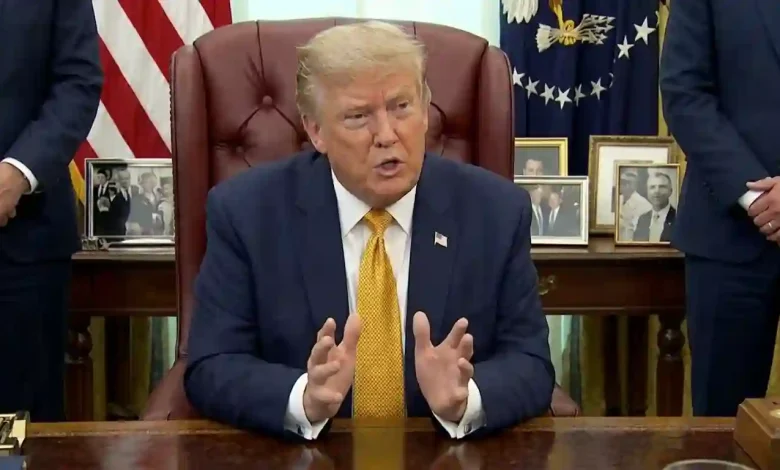
Table of Contents
Iran on Monday denied holding any direct talks with Washington, directly contradicting President Donald Trump’s assertions that major negotiations between the two adversarial nations were scheduled to begin today. This diplomatic disconnect occurs against a backdrop of severe regional volatility, marking yet another inflection point in the ongoing geopolitical crisis on day 154 of the Iran war. While President Trump painted a picture of an imminent deal regarding maritime security and the denuclearization of the Islamic Republic, Tehran has steadfastly maintained that its diplomatic efforts remain strictly confined to bilateral mediation with Oman. The discrepancy between Washington’s triumphalist rhetoric and Tehran’s cautious regional approach highlights the extreme sensitivity of the current conflict.
In recent months, the conflict has disrupted global supply chains, pushed energy markets to near-record highs, and created a highly militarized environment in the Persian Gulf. The rapid escalation of events over the weekend—culminating in the reported preparation and subsequent halt of massive military strikes—has only added to the unpredictability. Analysts suggest that the contrasting statements from the United States and Iran reflect deeply divergent diplomatic strategies, with Washington utilizing maximum public pressure and military brinkmanship, while Tehran prefers backchannel regional diplomacy to preserve its sovereign interests without appearing to yield under duress.
The Discrepancy: Trump’s Imminent Deal vs. Tehran’s Denial
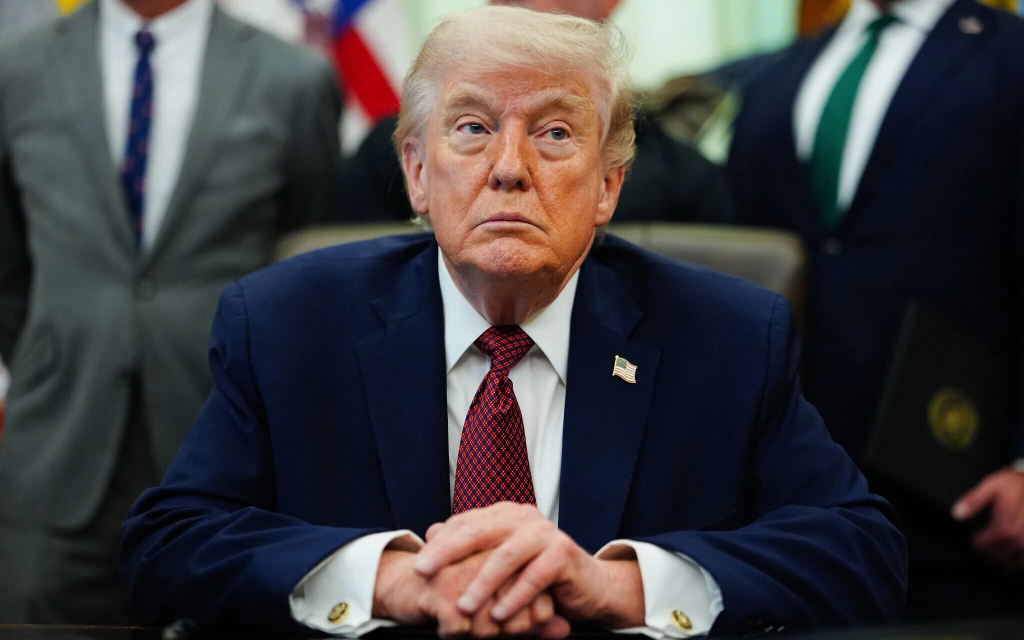
Over the weekend, President Trump announced that he had authorized a massive, unprecedented offensive before abruptly calling it off at the eleventh hour. According to the US President, his decision to abort the strikes was motivated by requests from key regional partners, including Saudi Arabia, Qatar, and the United Arab Emirates. Following this decision, Trump claimed that direct negotiations would initiate on Monday, leading to an imminent agreement. However, Iran’s Foreign Ministry spokesperson Esmaeil Baqaei quickly dispelled these assertions during a Monday press conference, clarifying that no direct contact has occurred or is being planned between Washington and Tehran. This public denial has laid bare a profound rift in how the two nations perceive the current state of international diplomacy.
This disconnect is not merely rhetorical; it represents a fundamental clash of diplomatic protocols. For Washington, announcing imminent negotiations is a way to claim a foreign policy success, signaling to domestic and international audiences that its aggressive posture has forced Iran to the negotiating table. For Tehran, however, acknowledging direct talks under the immediate threat of military annihilation would be seen as a sign of weakness, potentially undermining the regime’s domestic standing and its credibility among its regional allies. Thus, the public refutation serves to reassert Iranian agency and challenge the narrative of American hegemony.
Trump’s Narrative: A Deal “Imminent” on Denuclearization
Speaking to reporters aboard Air Force One, Trump claimed that a “deal is imminent, having to do with the Hormuz Strait and also, ultimately, the denuclearization of Iran.” The President’s narrative relies heavily on maximum pressure tactics, where the threat of overwhelming military force is used as leverage to force Tehran into submission. By claiming that he held off on launching the “biggest attacks since World War II” to give diplomacy a chance, Trump attempted to establish a supreme position of strength. Yet, critics argue this is part of a recurring diplomatic theater where Iran accuses the US of misrepresenting facts to pressure international markets and project an illusion of diplomatic control.
The Trump administration’s foreign policy has long been characterized by this high-stakes transactional style. By framing the canceled military strikes as a magnanimous gesture of restraint, Trump seeks to corner Iranian leadership into accepting a sweeping deal that encompasses not only maritime passage but also the highly sensitive issue of denuclearization. The administration’s stated goals remain extremely ambitious, aiming for a comprehensive treaty that would permanently dismantle Iran’s nuclear enrichment capabilities, restrict its ballistic missile program, and curb its regional influence—a package of demands that Tehran has repeatedly rejected as non-starters.
Iran’s Official Stance: Only Negotiating with Oman
Tehran’s response was swift and unambiguous. Foreign Ministry spokesperson Esmaeil Baqaei emphasized that “to avoid any misunderstanding, it is important to clarify what the current negotiations are about and who they are with. We are not negotiating with the United States at this time.” Instead, Tehran has focused its diplomatic capital on Muscat, which has traditionally served as a key regional mediator. This bilateral approach allows Tehran to address immediate maritime transit issues without succumbing to the political pressure of direct engagement with Washington, especially after months of relentless escalation. The Iranian leadership insists that any durable resolution must respect its sovereign rights and cannot be dictated by unilateral American demands.
Oman’s role as the “Switzerland of the Middle East” is well-established, having previously facilitated the secret talks that led to the 2015 Joint Comprehensive Plan of Action (JCPOA). By routing all diplomatic energy through Muscat, Iran seeks to establish a buffer zone that shields it from direct American pressure while still keeping a channel open for practical problem-solving. This strategy allows Iran to separate the immediate, technical issues of maritime safety from the broader, highly contentious issues of nuclear technology and regional security, thereby avoiding the comprehensive concessions that President Trump is publicly demanding.
The Strait of Hormuz: A New Temporary Shipping Route
The focus of the negotiations between Iran and Oman is the critical Strait of Hormuz, a maritime chokepoint through which approximately one-fifth of the world’s oil and liquefied natural gas flows. Over the past week, officials from both nations have engaged in “constructive discussions” aimed at establishing a new, temporary route to facilitate safe shipping passage. This proposed route is intended to bypass the most contested areas, providing shipping companies with a degree of predictability after a series of destabilizing incidents, including a recent escalation near a Strait of Hormuz tanker. By designing a temporary shipping lane, Muscat and Tehran hope to de-escalate the immediate naval confrontation without requiring a comprehensive political settlement.
The geographical reality of the Strait of Hormuz makes it one of the most vulnerable choke points in global trade. The shipping lanes, which are divided into inbound and outbound channels, pass through the territorial waters of Oman and Iran. Because the deep-water channels required for large supertankers lie primarily within these territorial limits, any disruption or claims of sovereign control can instantly halt global energy shipments. The proposed temporary route represents an attempt to redefine these transit lanes dynamically, allowing commercial vessels to bypass high-risk zones where military assets are concentrated, thereby reducing the risk of accidental clashes.
Designing the Joint Iran-Oman Maritime Mechanism
According to state media reports, the negotiations are in their final stages. Rather than a complete reopening of the strait under pre-crisis terms, the proposed agreement seeks to establish a mutual mechanism to govern transit. This includes the possibility of creating a joint Omani-Iranian maritime services firm that would offer insurance and navigation assistance at preferential tariffs. However, Iranian officials have been clear that any such temporary agreement does not mean a return to the status quo as it existed before February 28th. The regime is determined to assert its sovereign rights over the waterway, using the shipping lane as geopolitical leverage. By structuring the transit as a joint Omani-Iranian initiative, Tehran hopes to legalize its oversight over the strait while offering a pragmatic solution to international shipping concerns.
This joint mechanism is designed to address the astronomical insurance premiums currently being levied on vessels transiting the Gulf. By offering localized, state-backed insurance through a joint venture, Iran and Oman could theoretically bypass Western maritime insurance cartels, which have largely blacklisted the region or raised rates to prohibitive levels. For Iran, this is a strategic double-victory: it institutionalizes their control over the strait’s operations and creates a new revenue stream, while simultaneously offering Asian and European energy consumers a cheaper, albeit highly controlled, transit option.
The Cancelled Strikes: “The Biggest Attack Since World War II”
The diplomatic dance is playing out under the shadow of a near-miss military confrontation. On Saturday night, the US and Israeli militaries were reportedly poised to launch extensive air operations and strikes on Iran planned by US and Israeli forces. The planned offensive was described by Trump as “the biggest attack since World War II,” targeting Iran’s heavily fortified nuclear facilities and vital economic assets, including strikes targeting Iranian energy infrastructure. Trump claimed he decided to halt the strikes after a phone call with Saudi Crown Prince Mohammed bin Salman, who urged a diplomatic pause to prevent an all-out regional war. The sheer scale of the prepared offensive highlights just how close the region came to a catastrophic escalation that would have far-reaching global consequences.
Military analysts suggest that an operation of this magnitude would have involved hundreds of coalition aircraft, Tomahawk cruise missiles launched from naval platforms in the Arabian Sea, and coordinated cyber warfare operations targeting Iran’s command and control networks. The target list reportedly included enrichment facilities at Natanz and Fordow, air defense batteries, and key port installations along the Persian Gulf coast. The potential fallout from such strikes would have been immense, likely triggering asymmetric retaliatory attacks across the region and bringing global maritime trade to a grinding halt.
Military Readiness and Regional Mediation
Despite the temporary halt, US military readiness remains at historical heights. War Secretary Pete Hegseth confirmed on social media that US forces remain “locked and loaded,” emphasizing that the pause has not weakened Washington’s resolve. This military posturing serves to maintain intense psychological pressure on Tehran. On the other side, regional actors like Qatar and the UAE are working frantically behind the scenes to formalize brief moments where US-Iran hostilities ease. These mediators fear that any miscalculation in the narrow waters of the Gulf could ignite a conflict that would devastate regional economies and secure-energy networks, urging both sides to utilize Oman’s diplomatic channels before the window of opportunity closes.
The role of regional mediation cannot be overstated. Gulf states find themselves in a precarious position; while they remain strategic partners of the United States and host major US military bases, they are also highly vulnerable to Iranian retaliation. A major war would likely result in missile and drone strikes against desalination plants, oil processing facilities, and urban centers across the southern Gulf coast. Consequently, diplomacy is not just a preference for these nations—it is a matter of survival. Their active lobbying of President Trump to hold off on military action reflects a deep-seated dread of a regional conflagration.
Economic Implications and Global Oil Market Reacts
The dramatic swing between impending global conflict and sudden diplomatic openings has sent shockwaves through the financial world. Upon news that the devastating military strikes were called off, oil prices experienced a sharp decline. West Texas Intermediate (WTI) and Brent crude, which had surged due to war premium risks, fell significantly as traders priced in a temporary reduction in hostilities. These fluctuating oil prices projected in global markets have major ramifications for international economies, directly affecting fuel costs and shaping the financial forecasts of major energy producers. However, energy analysts warn that as long as the underlying geopolitical dispute remains unresolved, any market relief will likely be short-lived, with prices remaining highly sensitive to the next military or diplomatic development.
The broader economic consequences of a prolonged Strait of Hormuz closure extend far beyond oil prices. A permanent or semi-permanent shutdown of the shipping lanes would disrupt the supply of liquefied natural gas (LNG), heavily impacting European and Asian power grids. Additionally, the shipping industry would face massive cost increases as vessels are forced to reroute around the Cape of Good Hope, adding weeks to transit times and straining global supply chains. The temporary route proposed by Iran and Oman, if successful, could offer a vital relief valve for the global economy, but it also places significant strategic power in the hands of Tehran.
Comparison of US and Iranian Positions
To understand the complexity of the current diplomatic impasse, it is useful to compare the starkly different positions held by the United States and Iran. While the US approaches the conflict from a standpoint of global military dominance and maximum economic pressure, Iran relies on localized asymmetric advantages, geographic control over vital trade routes, and regional backchannel diplomacy.
| Issue Category | United States Position (President Trump) | Iranian Position (Tehran / Foreign Ministry) |
|---|---|---|
| Diplomatic Contacts | Claims direct negotiations are set to begin immediately under his pressure strategy. | Categorically denies direct talks with Washington; states negotiations are restricted to Oman. |
| Strait of Hormuz Transit | Demands immediate, complete, and fee-free opening of the international shipping lane. | Seeks a temporary route with Oman that asserts sovereign rights and provides joint services. |
| Denuclearization | Asserts that a comprehensive nuclear disarmament agreement is imminent. | Refuses to negotiate on sovereign defense capabilities under military coercion. |
| Military Threat Status | Declares military is “locked and loaded” with plans for historic attacks on standby. | Remains on high alert, emphasizing readiness to retaliate against foreign aggression. |
| Mediation Channels | Attributes diplomacy to requests from Gulf allies (Saudi Arabia, UAE, Qatar). | Relies on constructive discussions directly with Oman to resolve shipping blockages. |
Geopolitical Analysis: Prolonged Instability or Diplomatic Breakthrough?
The current standoff highlights the limits of maximum pressure when applied to highly resilient and strategically positioned adversaries. Iran’s refusal to engage in direct talks, despite the threat of what Trump termed the “biggest attacks since World War II,” underscores a calculated gamble by Tehran. The regime believes that its control over the Strait of Hormuz, combined with the global economic fallout of an all-out war, provides it with sufficient leverage to withstand American military threats. By focusing negotiations solely on Oman and a temporary transit route, Iran is attempting to address the immediate symptoms of the crisis—commercial shipping blockages—without capitulating on its broader strategic posture or nuclear ambitions.
Moving forward, the situation appears headed for prolonged instability rather than a clean diplomatic breakthrough. While the temporary route negotiated with Oman may offer some short-term relief to global shipping and oil markets, the fundamental issues dividing Washington and Tehran remain as deep as ever. The United States continues to demand complete denuclearization and unconditional access to international waterways, while Iran remains committed to asserting its sovereignty and resisting foreign military presence in its backyard. Without a realistic, middle-ground diplomatic framework that addresses the core security concerns of both sides, the Persian Gulf will likely remain a highly volatile flashpoint for the foreseeable future.