US embassies issue alerts after Trump vows to hit Iran hard 2026

Table of Contents
US embassies in the Middle East have issued synchronized security warnings following a highly confrontational statement from U.S. President Donald Trump, who declared that the United States is ready to hit Tehran with unprecedented force. The warnings, distributed across multiple diplomatic channels, urged American citizens to remain highly vigilant or even consider leaving the region altogether. This sudden surge in diplomatic alerts has sent shockwaves through regional capitals, reviving concerns of a major armed confrontation. However, despite the intense rhetoric from the White House, there remain no concrete indicators that a major military assault is about to take place. As veteran Al Jazeera correspondent Mike Hanna reported from Washington, DC, defense intelligence assessments have not yet detected the typical troop mobilizations, tactical aircraft redeployments, or logistical operations that usually precede a massive military campaign. This mismatch between aggressive rhetoric and passive military positioning has left analysts questioning whether the current warnings are a defensive precaution or part of a broader psychological campaign designed to pressure the Iranian regime.
The Anatomy of the Coordinated Security Alerts
The security directives issued on Saturday were striking in their synchronization and identical wording. Diplomatic missions in Bahrain, Iraq, Israel, Jordan, Kuwait, Lebanon, Oman, Qatar, Saudi Arabia, and the United Arab Emirates simultaneously broadcasted warnings to their respective expatriate communities. The identical nature of the alerts suggests a centralized directive from the State Department, reflecting a unified assessment of potential, albeit unpredictable, retaliatory vectors. Within the warning, the situation was characterized as fluid and volatile, highlighting that previous attacks have occurred without prior warning or provocation. This unpredictability forms the core of the State Department’s rationale for warning citizens to be prepared for rapid departures. In Jordan and Iraq, where pro-Iranian militia groups maintain significant influence and proximity to Western targets, the alerts carried a particularly urgent tone, advising citizens to meticulously plan escape routes and double-check emergency travel documentation. According to official data from the U.S. Department of State, these warnings represent a heightened baseline of regional security that has not been witnessed since the peak of regional proxy warfare.
President Trump’s Confrontational Rhetoric Analyzed
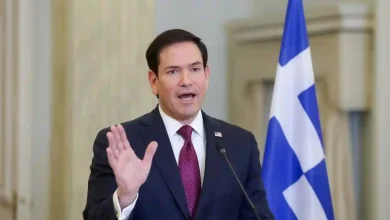
The catalyst for this diplomatic scramble was a series of fiery public statements. During a media briefing, the President stated that U.S. forces are fully prepared to hit the Islamic Republic harder than they have ever been hit before. In these remarks, where Donald Trump warns Iran of direct and devastating consequences, the rhetoric was designed to project absolute military resolve. Trump asserted that the Iranian government would eventually capitulate, claiming they would reach a point where they simply cannot take it anymore. Critics and allies alike are analyzing whether these statements represent a prelude to a physical strike or if they are simply a continuation of the administration’s aggressive posturing. Trump’s rhetorical style has frequently relied on extreme public warnings to establish leverage before entering negotiations, a tactic that has both confused adversaries and heightened the anxiety of regional security partners who must plan for the worst-case scenario.
The Strategic Consequences of Trump’s War Against Iran
The potential implementation of what many analysts are calling Trump’s war against Iran carries massive regional and global implications. A direct military strike on Iranian soil would instantly dismantle the fragile geopolitical architecture of the Middle East, drawing in regional proxies from Yemen, Syria, and Lebanon. Pentagon planners are fully aware that any strike on Iranian military facilities, such as radar installations or drone bases, would likely trigger an immediate counter-response. This retaliatory dynamic could target U.S. military bases in Iraq, Syria, and Qatar, as well as allied commercial infrastructure. Under a scenario involving Trump’s war in Iran, civilian populations throughout the Gulf would face a persistent threat of missile and drone exchanges, which explains the pre-emptive embassy warnings urging Americans to maintain absolute vigilance.
The Critical Role of the Strait of Hormuz
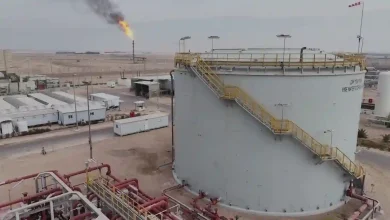
At the center of this escalating tension is the strategically vital Strait of Hormuz, a maritime choke point through which approximately one-fifth of the world’s petroleum passes daily. The Iran-US conflict has repeatedly threatened to shut down this shipping corridor, which would have an immediate, catastrophic impact on the global economy. Past incidents of harassment of commercial vessels and retaliatory mine-laying have demonstrated how easily a local conflict can escalate into a global energy crisis. If the Strait is fully closed, oil prices would skyrocket almost instantly, threatening to trigger a deep economic crisis. Prominent financial analysts have warned of a massive global depression risk if trade flows through this maritime corridor are permanently blocked, an economic reality that forces Western policymakers to think twice before executing any pre-emptive military measures.
Deconstructing Theater Diplomacy and Last-Minute Cancellations
Historically, the administration’s policy toward Tehran has been characterized by sharp pivots between extreme aggression and sudden diplomatic openings. Critics in both the U.S. and Iran have pointed to this pattern as theater diplomacy on loop, a term referring to the President’s strategy of bringing the two nations to the absolute brink of war before declaring a sudden breakthrough or ceasefire. We have seen instances where a highly-coordinated Trump planned Iran attack was called off at the very last minute. Such rapid de-escalations, where Trump cancels Iran strike operations due to perceived diplomatic openings or humanitarian concerns, suggest that the primary goal of the current warnings may be psychological leverage rather than preparation for imminent war. This cycle of threats followed by pauses has made it incredibly difficult for regional actors to distinguish between genuine operational preparation and mere political posturing.
Regional Spillover and the Saudi-Iran Nexus
The geopolitical fallout of this crisis extends far beyond Washington and Tehran, directly impacting regional powers like Saudi Arabia. As tensions escalate, Iran warns Saudi Arabia and other Gulf cooperation council states that allowing Western forces to use their airspace or bases for offensive strikes will make them legitimate targets for retaliation. This warning places Riyadh and Abu Dhabi in a precarious position, forcing them to balance their security partnerships with the U.S. against their desire to avoid a devastating regional war. The risk of proxy groups, such as the Houthis in Yemen or Shiite militias in Iraq, targeting critical Saudi energy infrastructure remains incredibly high, further justifying the extensive security warnings issued by the respective U.S. embassies in those nations.
Key Travel and Security Directives for US Citizens

For the thousands of American expatriates, contractors, and tourists currently residing in the Middle East, the embassy warnings provide concrete steps to mitigate personal risk. Security experts recommend that citizens register with the Smart Traveler Enrollment Program (STEP) to receive real-time updates and make it easier for embassies to locate them in an emergency. In addition, individuals are urged to keep their personal travel documents, including passports and visas, easily accessible and up-to-date. The embassies have also warned that in the event of active conflict, commercial flight cancellations and airspace closures could occur with little to no warning, meaning that relying on public airlines for emergency evacuation may not be a viable option. Citizens are advised to develop independent departure plans and maintain secondary communication networks.
Comparative Overview of Regional Security Risks
To better understand the variance in safety levels across the region, the following table summarizes the threat assessments and key directives issued by various U.S. diplomatic missions in response to the recent escalation of rhetoric.
| Embassy Jurisdiction | Advisory Warning Status | Threat Level Assessment | Key Directive for US Citizens |
|---|---|---|---|
| Jordan (Amman) | High Vigilance Warning | Elevated regional spillover potential | Prepare evacuation plans; maintain communication backup. |
| Iraq (Baghdad) | Severe Security Alert | Critical proxy retaliatory risk | Consider departing via commercial flights immediately. |
| Bahrain (Manama) | Standard High Alert | Moderate maritime escalation danger | Monitor aviation updates; secure travel documents. |
| Israel (Jerusalem) | Extreme Security Advisory | High rocket and missile escalation risk | Identify nearest bomb shelters; follow local command. |
| United Arab Emirates (Abu Dhabi) | Heightened Advisory | Potential commercial shipping threat | Decline non-essential travel; keep low profile. |
| Kuwait (Kuwait City) | Precautionary Alert | Moderate airspace crossing risk | Prepare for unexpected flight cancellations. |
Conclusion: Assessing the Threat of Imminent Strike
Ultimately, while the coordinated embassy alerts and the severe public warnings suggest a highly volatile situation, there is currently no tangible evidence of an imminent U.S. military strike on Iran. The diplomatic warnings are a logical and necessary precaution designed to protect American lives in a highly unpredictable environment where miscalculation could rapidly lead to conflict. As Al Jazeera’s Mike Hanna noted, the lack of troop build-ups suggests that the administration’s current focus is on psychological deterrence rather than military execution. However, in a region where tensions are already at a boiling point, the line between posturing and actual warfare remains razor-thin. Both Washington and Tehran must tread carefully to prevent a war of words from turning into a devastating physical conflict that neither side can truly afford.