Trump cancels Iran attack: US halts strikes citing deal perimeters 2026
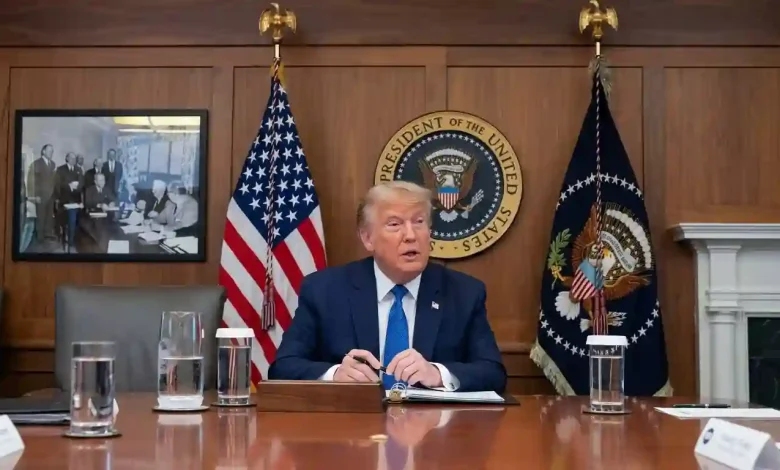
Table of Contents
Trump cancels Iran attack plans as President Donald Trump announced late Saturday on his Truth Social platform that he has halted a highly anticipated, large-scale military strike against Iran. The decision represents one of the most unpredictable twists in the ongoing Middle East crisis of 2026. Writing on his proprietary platform, the President revealed that the joint US-Israeli bombing campaign, designed to target the Islamic Republic’s critical energy networks, was suspended at the eleventh hour because the “perimeters of a deal” had finally been agreed upon by all key parties. Trump’s late-night social media post came only hours after elite Western media outlets reported that Washington and Tel Aviv were finalized in their preparations for a massive air campaign. This campaign aimed to cripple the vulnerability of Iranian energy infrastructure in retaliation for weeks of escalating naval skirmishes, drone attacks on coalition assets, and the blockade of the world’s most vital maritime chokepoints.
The Sudden Reversal: Trump Cancels Iran Attack on Truth Social
The announcement by President Trump late Saturday night caught both domestic defense planners and foreign allies off guard. In a characteristically direct post, the President declared that the United States was “locked and loaded” and prepared to execute a series of operations with a level of military power “not seen since World War II.” However, he explained that after receiving direct requests from Iranian representatives and several key Middle Eastern nations, he agreed to pause the operations to allow diplomatic negotiations to proceed. This unexpected pivot has immediately shifted the focus of international diplomacy from military planning rooms back to the negotiating table, prompting a mixture of relief and intense skepticism among geopolitical analysts. Critics and supporters alike are dissecting the sudden shift, questioning whether the move reflects a genuine breakthrough or a strategic pause in a highly volatile conflict.
Geopolitical Trigger: The Near-Miss Campaign Against Energy Facilities
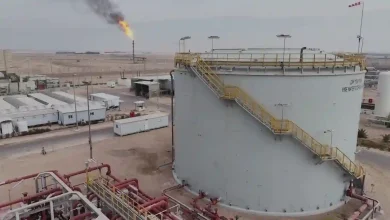
The lead-up to this dramatic announcement saw some of the highest military tensions in decades. Following intense cabinet meetings and high-level consultations, US military commanders had authorized the deployment of advanced naval and air assets. Speculation had reached a fever pitch, with detailed intelligence reports leaking to major news networks indicating that the US Air Force and Israeli fighter jets were cleared to target refineries, distribution centers, and terminal docks along Iran’s southern coast. Had these strikes proceeded, economists projected that international oil prices would have breached historic heights, causing catastrophic disruptions to the global supply chain. It was against this backdrop of imminent economic and military fallout that Trump cancels Iran attack preparations, choosing instead to pivot to a high-stakes diplomatic channel. The decision left military commanders in Washington and Tel Aviv scrambling to adjust their operational postures, revealing a stark contrast between raw military preparedness and the unpredictable nature of executive decision-making.
The Terms of the Agreement: Opening of Hormuz and Nuclear Concessions
According to President Trump’s public statements, the proposed diplomatic framework hinges on two non-negotiable pillars: the immediate, absolute opening of the Strait of Hormuz to international shipping and an verifiable termination of Iran’s uranium enrichment programs. For months, maritime commerce has been severely constrained due to naval blockades, leading to skyrocketing insurance premiums for commercial vessels. While Trump predicted a swift resolution to this complex crisis, independent security analysts remain deeply skeptical of whether these broad “perimeters” can be translated into a binding, enforceable treaty. Sources within the administration have indicated that detailed discussions are being fast-tracked, with diplomatic sources close to the administration pointing to significant progress on a potential Hormuz agreement that could fundamentally reshape regional security. Under the proposed terms, international monitoring would be significantly enhanced to ensure that commercial shipping lanes remain unharassed and that civilian nuclear activities are strictly regulated under international supervision.
Behind the Scenes: Regional Mediation and Saudi Pressure
The breakthrough that prompted the cancellation of the strike was not achieved in a vacuum. Reports suggest that high-stakes backchannel diplomacy was mediated by several key regional actors, most notably Saudi Arabia, Turkey, and Oman. In the hours preceding the Truth Social post, Saudi Crown Prince Mohammed bin Salman reportedly initiated an urgent phone call with President Trump. The Kingdom of Saudi Arabia, while fiercely opposed to Iranian regional hegemony, is acutely aware that a full-scale war would make its own massive energy installations prime targets for retaliatory drone and missile attacks. Through these frantic consultations, Gulf states successfully argued that a calibrated pause in hostilities was necessary to preserve regional stability. This diplomatic push resulted in the formulation of the preliminary framework, which allowed the US President to present a narrative of peace secured through strength. However, the diplomatic path remains fraught; historically, Iran rejects Trump’s aggressive terms, making the current shift in their negotiating posture highly surprising and potentially fragile.
The Strategic Significance of the Strait of Hormuz Chokepoint
The central focus of any potential diplomatic deal remains the Strait of Hormuz, through which more than one-fifth of the world’s petroleum liquids transit daily. According to data compiled by the U.S. Energy Information Administration, any prolonged closure of this narrow passage would result in immediate global energy shocks, threatening the economic stability of both Western democracies and rapidly developing Asian economies. The strategic value of this narrow waterway cannot be overstated, and its militarization over the past several months has pushed global energy markets to the edge of panic.
Analysis of Regional Maritime Preparedness
To understand the complexity of the current negotiation, it is essential to examine the military postures of both sides. The Iranian Revolutionary Guard Corps has spent years fortifying the islands and coastlines flanking the strait with anti-ship missiles, fast-attack craft, and naval mines. This heavy military footprint has been met with a massive US-led international maritime coalition designed to protect commercial shipping. Below is an analytical summary of the core positions held by the principal actors in this crisis:
| Strategic Variable | United States & Allies Position | Islamic Republic of Iran Position |
|---|---|---|
| Strait of Hormuz Control | Demand immediate, complete, and unhindered international passage with zero harassment. | Utilize naval presence as a defensive leverage point to pressure Western sanctions relief. |
| Nuclear Program Status | Insist on a verifiable, total end to uranium enrichment and intrusive IAEA inspections. | Maintains right to peaceful civilian energy, refusing unilateral dismantling without reciprocity. |
| Regional Security Alliances | Fully integrated defense cooperation with Israel, Saudi Arabia, and the Gulf Cooperation Council. | Reliance on asymmetric proxy forces and advanced regional ballistic missile networks. |
| Economic Strategy | Enforce strict primary and secondary sanctions on energy exports to starve the regime of cash. | Circumvent sanctions through backchannel crude sales and regional barter agreements. |
With the announcement of the pause in hostilities, diplomatic observers are closely watching the military mobilization in the Strait of Hormuz. While some assets have taken a defensive stance, the underlying infrastructure of conflict remains fully intact, with both sides keeping their forces in a state of high operational readiness.
Skepticism in Tehran and Tel Aviv: Reaction from Key Players
While President Trump’s announcement painted a picture of imminent diplomatic success, the reactions from other major capitals have been decidedly cautious. In Tehran, state-aligned media outlets immediately issued statements denying that a formal, binding agreement had been finalized. Iranian defense officials characterized Trump’s Truth Social post as a tactical maneuver and a form of “psychological warfare” aimed at easing the political pressure on Washington. Similarly, in Jerusalem, Israeli officials were reportedly caught off guard by the sudden announcement. Reports emerged indicating that the Israeli cabinet and military command learned of the cancelled strikes via social media, leading to private frustration among defense planners who believed that only overwhelming military force could permanently dismantle Iran’s nuclear aspirations. Despite this tension, Trump emphasized that Israel joins him in this commitment, although the depth of coordinated policy between the two allies remains a subject of intense debate among national security experts.
Chronology of the 2026 Middle East Crisis
To fully contextualize why this sudden cancellation is so significant, it is important to review the major events of the past several months. The crisis has been characterized by sharp cycles of escalation, followed by brief pauses in active hostilities, with neither side willing to engage in total war, yet both constantly probing the other’s red lines. Over the last 150 days, several key diplomatic and military phases have defined this conflict, including the deployment of carrier strike groups and localized missile exchanges. The cancellation of the strike is viewed by some as ultimate diplomatic warning to Tehran—a final opportunity to secure a peaceful resolution before the full weight of US military power is unleashed. Geopolitical scholars suggest that the repeated cycle of threats and sudden withdrawals could erode the credibility of US deterrence, while others argue it showcases a sophisticated strategy of flexible response designed to keep the adversary perpetually off-balance.
What Lies Ahead: Will a Final Deal Materialize?
The coming days will be critical in determining whether this pause is the precursor to a historic diplomatic achievement or simply another temporary lull in an ongoing conflict. Negotiators from the US, regional intermediaries, and European partners are scheduled to meet to translate the broad “perimeters” announced by Trump into a legally binding framework. For a lasting peace to be realized, both Washington and Tehran must overcome decades of mutual distrust. The US will require verifiable, intrusive inspections of Iranian facilities, while Iran will demand substantial sanctions relief to revive its embattled economy. As the world watches these high-stakes negotiations unfold, the strategic balance of the Middle East hangs in suspension, caught between the threat of unprecedented military destruction and the delicate promise of a negotiated peace.