Iranian retaliation plan prepared as US-Israeli strike threats grow 2026
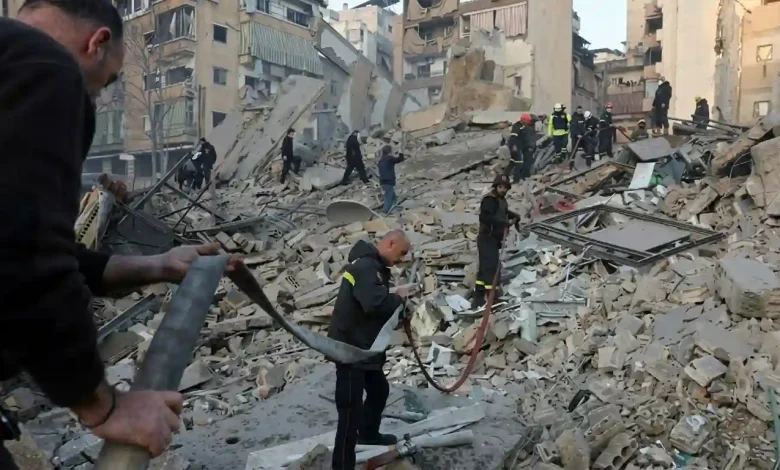
Table of Contents
Iranian retaliation plans are prepared and ready for execution, according to state-affiliated media sources in Tehran, as the Middle East stands on the precipice of an unprecedented regional conflict. The mobilization follows persistent intelligence leaks and reports from US news outlets suggesting that a massive, joint US-Israeli military campaign targeting Iran’s civilian and industrial core is imminent. With hostilities already raging across multiple fronts for over five months, the threat of direct strikes on critical electrical grids, oil refineries, and water desalination plants has forced the Islamic Revolutionary Guard Corps (IRGC) to formulate a comprehensive counter-strike strategy. Tehran has issued severe warnings to Washington and its regional allies, promising that any attempt to dismantle its economic foundations will result in a corresponding destruction of energy infrastructure across the entire Persian Gulf.
Imminent Threats to Critical Regional Energy Infrastructure
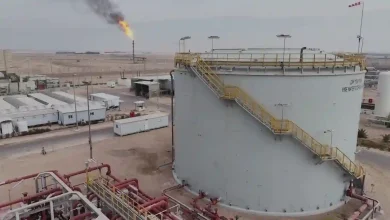
Deliberations at the presidential retreat of Camp David intensified in late July and early August 2026 as senior US administration officials and Israeli military commanders reportedly finalized blueprints for planned strikes against the Iranian homeland. The proposed bombing campaign, described as potentially one of the most intense aerial operations in modern history, specifically singles out Iran’s electrical grids, petrochemical facilities, and refining capabilities. White House officials argue that such measures are required to halt Iran’s persistent regional influence and force a return to diplomatic terms, while Israeli authorities remain on high alert for immediate escalation.
However, President Donald Trump has temporarily withheld final approval. In what has been interpreted as Trump’s ultimate warning to Tehran, the administration made it clear that while military options are fully prepared, the door to negotiations remains open if immediate concessions are made regarding maritime access and regional proxy actions. Analysts warn that should these negotiations falter, the resulting offensive would target civilian systems, raising profound humanitarian and economic concerns globally.
Inside Iran’s Comprehensive Retaliation Framework
Faced with the threat of severe disruption, the Supreme National Security Council in Tehran, alongside the IRGC, has approved what state media refers to as a “comprehensive retaliation plan”. Unlike previous engagements, this doctrine does not rely solely on localized defensive maneuvers. Instead, Iran’s calibrated deterrence strategy has shifted toward horizontal escalation, seeking to widen the battlefield to a degree that makes the economic and political costs of war unsustainable for the Western coalition.
Asymmetric Missile and Drone Deployment
Military analysts highlight that Iran’s plan relies heavily on massive, synchronized salvos of precision-guided ballistic missiles, such as the Kheibar Shekan and Fattah hypersonic systems, coupled with thousands of Shahed-series kamikaze drones. These assets are positioned in heavily fortified underground “missile cities” along the Zagros Mountains, making them highly resilient against preemptive allied strikes. The operational goal is to overwhelm the air defense systems of both Israel and US-aligned Gulf states. By launching saturation attacks, Tehran intends to prove that even the most advanced interceptors cannot provide total protection against a determined asymmetric onslaught.
The Cyber Warfare Component
In addition to physical bombardment, the retaliation blueprint incorporates advanced offensive cyber operations. Iranian state-sponsored actor groups are reportedly preparing targeted cyberattacks against Western municipal grids, maritime logistics networks, and international financial institutions. By combining physical and digital warfare, Tehran aims to disrupt global supply chains and amplify market panic, which has already caused significant volatility in the energy sector. This multi-layered approach ensures that even if Western air power degrades Iran’s physical capabilities, its digital and proxy networks can still inflict severe economic damage.
The Gulf Dilemma: Pressuring Regional Partners
A primary vector of Tehran’s current strategy is diplomatic leverage mixed with explicit threats directed at neighboring states. Through high-level diplomatic channels, Iranian Foreign Minister Abbas Araqchi has communicated with his counterparts in Riyadh, Doha, Abu Dhabi, and Muscat. The message delivered was unequivocal: if the US uses its regional military installations to launch US military strikes, or if US-allied states permit the use of their airspace, their own critical infrastructure will become legitimate targets.
Araqchi’s Flurry of Diplomatic Demands
This aggressive diplomacy has placed the Gulf Cooperation Council (GCC) in a precarious position. Countries that host major US bases and depend heavily on uninterrupted oil and liquefied natural gas (LNG) exports are desperately seeking to de-escalate the situation. Consequently, regional leaders have urged Washington to delay any potential strikes on Iranian energy infrastructure, warning of catastrophic economic fallout that could permanently damage global financial stability. The prospect of Saudi Aramco installations or Emirati desalination plants being targeted has forced a recalculation of regional alliance dynamics.
The Maritime Chokepoint: Reopening the Strait of Hormuz
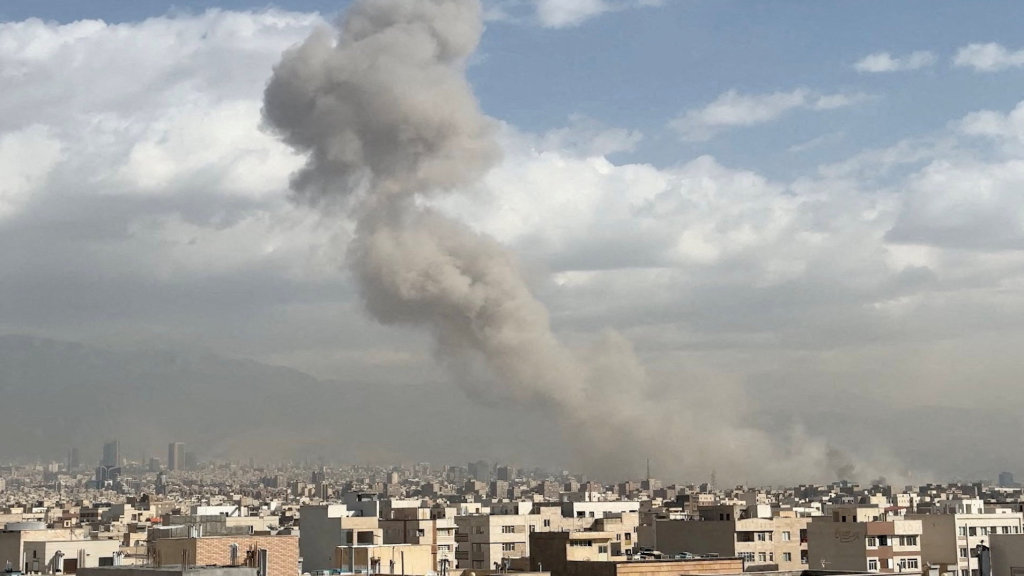
The focal point of the global economic risk remains the critical maritime corridors. Since the outbreak of hostilities earlier this year, the standoff over the Strait of Hormuz has severely restricted the transit of commercial vessels, leading to record-breaking oil price hikes and supply chain disruptions. Although Oman has actively mediated negotiations to establish shipping coordinates, the IRGC has made it clear that passage remains conditional.
Senior military commanders have issued official statements regarding the maritime security corridors, asserting that the strait will not open for unrestricted commercial use until the United States fundamentally corrects its hostile behavior and lifts the active naval blockade. This stance further reinforces Tehran’s leverage, using the global economy’s reliance on the waterway as a defensive shield against Western air power.
Comparative Strategic Assets and Defensive Postures
To understand the potential implications of a renewed military campaign, it is essential to examine the strategic targets, defensive capabilities, and planned responses of the major actors in the region. The following table outlines the key target areas and the tactical assets involved in the current standoff:
| Target Sector | Strategic Risk Level | Primary Defensive Asset | Potential Response System |
|---|---|---|---|
| Iranian Refinery Network (Kharg Island) | Critical | US Naval Blockade & Patriot Systems | IRGC Ballistic Missiles |
| GCC Coastal Terminals (Aramco, etc.) | High | THAAD & Aegis Destroyers | Shahed Drones & Swarm Boats |
| US Bases (Bahrain, UAE, Qatar) | Severe | C-RAM & Iron Dome variants | Precision-Guided Cruise Missiles |
| Strait of Hormuz Shipping Lanes | Extreme | Mine Countermeasure Squadrons | Anti-ship Cruise Missiles (ASCMs) |
Munitions Scarcity and the American Domestic Dilemma
An overlooked factor in this escalating standoff is the logistical strain on the coalition forces. Reports indicate that months of active engagement have depleted key US precision munitions stockpiles. Pentagon officials are reportedly rushing to accelerate production schedules, noting that the rapid depletion of long-range missiles has created a strategic bottleneck. This deficit has complicated the military calculus. While the US and Israel possess unmatched technological superiority, the sheer volume of targets within Iran’s retaliation plan means that any prolonged conflict could test the limits of Western defense industrial bases. Meanwhile, the region remains highly volatile, experiencing continuous escalation after the ceasefire collapsed.
The Diplomatic Exit: Rome, Muscat, and Mediation Efforts
Despite the aggressive military posturing, diplomatic channels have not been completely severed. Mediators from Oman, Qatar, and European nations have been working behind the scenes in cities like Rome and Muscat to draft a workable de-escalation framework. The core of these discussions focuses on a proposed traffic management scheme under which limited shipping could resume through the Strait of Hormuz in exchange for a partial easing of the US naval blockade. However, the IRGC’s insistence on securing international recognition of its maritime authority and demanding further economic concessions continues to stall progress. Until these fundamental differences are resolved, the threat of a devastating military confrontation remains exceptionally high.