Iran War 2026: Conflict Pauses as Oil Tumbles and Trump Heads to Michigan
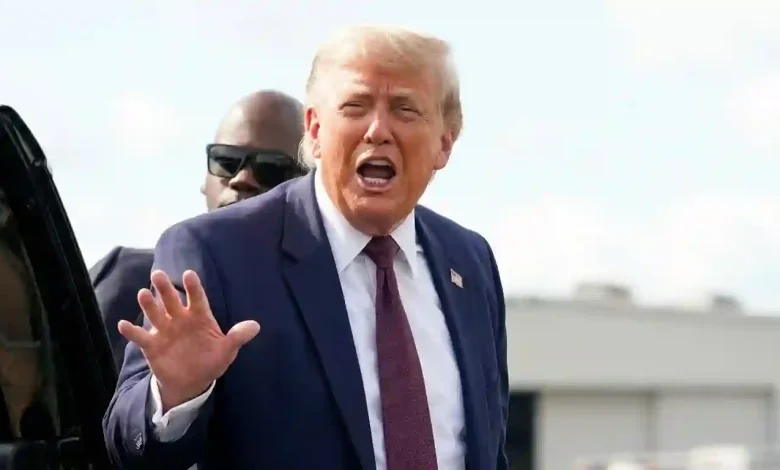
Table of Contents
Iran War developments took a dramatic turn today as the United States and Iran paused their escalating military strikes, offering a fragile diplomatic respite to a conflict that has rattled global markets for months. After a relentless 13th night of airstrikes, both nations refrained from launching further offensive actions over the weekend, a sudden shift that officials from both sides are characterizing as an intentional move to provide necessary “space” for international negotiators. This bilateral halt in hostilities has instantly reverberated through the energy sector, prompting a sharp drop in crude prices and easing widespread anxiety over a potential multi-front war in West Asia that could choke off global trade routes.
The Diplomatic Pause: A Respite in the Conflict
While the world watched with bated breath, the sudden de-escalation arrived in the wake of intensive backchannel discussions brokered by regional intermediaries, including Oman and Pakistan. According to sources close to the negotiations, the airstrikes against Iran paused following strategic reassessments within both Washington and Tehran. The White House and Pentagon have faced mounting questions from defense experts regarding the sustainability of prolonged high-intensity naval and aerial operations. Concurrently, regional players have cautioned that continued direct hits on Iranian infrastructure could push the Middle East into an irreversible escalatory spiral.
This operational pause has been embraced by regional observers as a critical opening. Mediators are working round the clock, utilizing this period of quiet to restore the foundations of the fragile June memorandum of understanding. Though deep structural divisions remain, particularly over Iran’s nuclear enrichment capabilities and its support for regional proxy forces, the brief cessation of direct military exchanges is seen as a necessary precursor to any substantive agreement. Observers note that while troops remain “locked and loaded” on both sides, the prioritization of diplomatic channels marks a strategic pivot away from immediate, unchecked escalation.
Thirteen Nights of Fire and the Sudden Calm
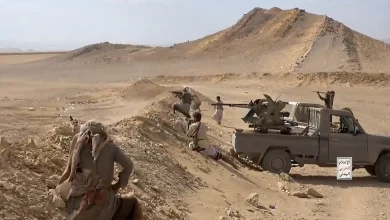
The transition to quiet over the weekend follows a highly destructive fortnight. For nearly two weeks, the skies over the Persian Gulf were illuminated by anti-aircraft artillery, cruise missiles, and drone strikes. The United States targeted naval installations, air defense radars, and command-and-control centers along the Iranian coast, seeking to degrade Tehran’s ability to disrupt merchant shipping. In response, Iranian forces and their allied proxies launched retaliatory strikes against regional bases hosting American personnel, resulting in multiple casualties and triggering intense debates in Washington over a wider military footprint.
This cycle of violence seemed to run its course over the weekend, when both capitals opted not to authorize new offensive sorties. Intelligence assessments suggest that the pause may also stem from logistics; military planners on both sides are likely taking the opportunity to replenish critical missile defense interceptors. However, the diplomatic explanation remains the official narrative. By halting the bombings, both the United States and Iran are indicating to global mediators that they are willing to explore a negotiated exit, provided their core security interests are respected. This period of backchannel diplomacy represents the most significant diplomatic engagement since the initial ceasefire deal began to collapse.
Economic Repercussions: Oil Prices Tumble
As news of the pause in military actions spread, global commodity markets responded with immediate relief. Oil prices, which had surged to multi-month highs last week under the specter of a prolonged conflict, plunged as traders adjusted their risk premiums. September Brent crude dropped by nearly five percent, settling around $92 per barrel. This sharp decline provided a much-needed reprieve for global supply chains and consumer economies that have been grappling with high transport costs and severe inflationary pressures.
The energy markets have been highly volatile, with prices fluctuating based on every military development in the region. Analysts warn that while the current drop in prices is a welcome development, the underlying fundamentals of the energy market remain fragile. A resumption of hostilities could easily send prices soaring back toward triple digits, reinforcing the high-stakes nature of the ongoing diplomatic talks. For now, the temporary relief has provided breathing room for central banks and economic planners worldwide.
The Strait of Hormuz Bottleneck and Global Shipping
The primary driver of the oil market’s volatility has been the security of the Strait of Hormuz, a critical chokepoint through which approximately one-fifth of the world’s petroleum transits. Throughout the conflict, the Strait of Hormuz crisis has threatened to halt commercial shipping entirely, as Iran established a de facto blockade and targeted non-compliant vessels. The Revolutionary Guard’s recent actions, including firing warning shots at commercial ships attempting to transit unauthorized routes, underscore the extreme risks faced by international shipping companies.
In response to these disruptions, global logistics firms have been forced to reroute tankers around the Cape of Good Hope, adding significant time and expense to journeys. The alternative routes, while safer, have strained shipping capacities and increased carbon emissions. The ongoing Washington-Tehran dialogue is focused heavily on securing transit rights through the Strait, with mediators proposing a compromised framework that would allow more freedom of movement for commercial vessels in exchange for a reduction in U.S. naval pressure.
Trump’s High-Stakes Visit to Suburban Detroit, Michigan
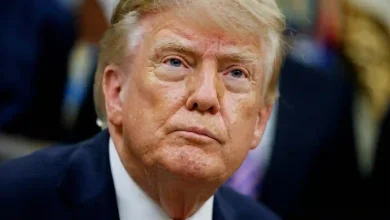
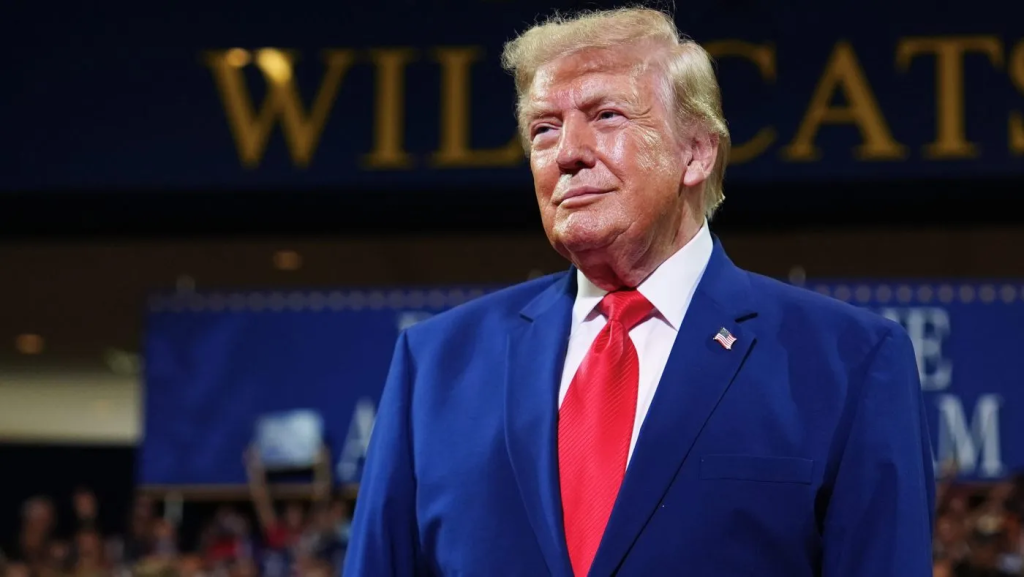
While international diplomacy dominated the global stage, domestic politics took center stage in the United States as President Donald Trump prepared for a high-stakes visit to suburban Detroit, Michigan. The president’s trip is aimed at touting his administration’s economic policies, particularly his aggressive use of tariffs to protect American manufacturing. However, the timing of the visit is critical, as it coincides with growing anxiety among local business owners and workers over the broader economic fallout of the administration’s trade wars.
Michigan, a key swing state that has historically decided presidential elections, is currently experiencing the direct impact of these trade policies. The administration’s decision to impose a sweeping 50 percent tariff on Canadian goods, citing unfair trade practices, has raised serious concerns among auto manufacturers and agricultural businesses that rely heavily on cross-border supply chains. Trump’s visit is seen as an attempt to reassure voters in key districts that his economic strategy will yield long-term benefits, despite the short-term pain being felt by many.
Defending Tariffs Amid Regional Economic Pain
During his address to local business leaders and workers in Warren and Dearborn, President Trump is expected to deliver a passionate defense of his “America First” trade policies. He is likely to emphasize that tariffs are a vital tool for correcting trade imbalances and bringing manufacturing jobs back to the United States. However, the reception may be mixed, as many local businesses are already feeling the squeeze of increased material costs. The auto industry, in particular, has warned that tariffs on steel, aluminum, and Canadian imports could increase the retail price of vehicles and lead to layoffs.
The administration’s efforts to balance these economic policies with the political realities of a swing state have led to some adjustments. For instance, the president previously extended rebates to domestic car companies on certain imported auto parts to mitigate the impact of the tariffs. Yet, as the U.S. economic shockwaves from both trade tensions and geopolitical conflicts continue to unfold, maintaining voter support in industrial hubs like Metro Detroit will require more than just campaign-style rhetoric.
The Midterm Political Landscape and Key Voting Districts
The timing of Trump’s Michigan visit is highly strategic, coming just as the midterm election season begins to heat up. Republicans are fighting to maintain their majorities in Congress, and Michigan’s suburban districts are expected to be key battlegrounds. Democratic challengers are already capitalizing on the economic anxieties of local workers, arguing that the administration’s trade policies and the ongoing conflict in the Middle East are fueling inflation and threatening job security.
In addition to economic concerns, the administration’s broader foreign policy decisions are also under scrutiny. The White House debates escalation strategies even as it pursues diplomacy, leaving voters uncertain about the country’s long-term direction. The president’s ability to connect with working-class voters in Michigan and convince them that his policies are working will be crucial for his party’s performance in the upcoming elections.
Comparing the Conflict and Economic Impacts
To better understand the complex interplay between the geopolitical conflict and domestic economic indicators, the following table summarizes key metrics and their current status:
| Sector / Indicator | Recent Peak / Status | Current Impact / Outlook | Key Drivers |
|---|---|---|---|
| Global Oil Prices | Multi-month High (~$100/barrel) | Tumbled to ~$92.02 (Brent September) | Pause in US-Iran strikes; Omani mediation efforts |
| Strait of Hormuz Transit | De facto Iranian Blockade | Highly restricted; warning shots fired by IRGC | Geopolitical tensions; US naval presence |
| US Domestic Economy | Softening job growth; rising costs | High anxiety over 50% Canadian tariffs | America First trade policies; supply chain bottlenecks |
| Inflationary Pressures | Elevated transport and food costs | Continued risk as inflation threatens economy | Energy market volatility; global supply chain disruptions |
Geopolitical Perspectives and Future Outlook
The current pause in military operations, while a welcome relief, does not guarantee a permanent end to the conflict. Geopolitical analysts point out that the fundamental issues driving the dispute remain unresolved. Iran’s nuclear ambitions, its support for regional proxy networks, and the United States’ insistence on maintaining maritime security in the Persian Gulf are deeply entrenched positions. Any diplomatic breakthrough will require significant concessions from both sides, which may prove politically difficult for leadership in both Washington and Tehran.
Furthermore, the role of regional actors will be critical in shaping the future of the conflict. Countries like Saudi Arabia, Israel, and the United Arab Emirates have their own security concerns and may seek to influence the negotiations to ensure their interests are protected. The involvement of international mediators like Oman and Pakistan will continue to be vital in maintaining open channels of communication and preventing a return to direct military confrontation.
Strategic Challenges and the Vulnerability of Ceasefires
Historically, ceasefires and pauses in this conflict have proven highly vulnerable to violations. Accusations of bad faith, minor skirmishes, or proxy attacks have repeatedly derailed previous diplomatic efforts. The current pause is no exception, and both sides remain on high alert. Any perceived provocation could easily shatter the delicate quiet and trigger a renewed cycle of violence, with even more devastating consequences for the region and the global economy.
As the diplomatic efforts continue, the world will be watching closely to see if the United States and Iran can find a sustainable path forward. For now, the lull in fighting has provided a brief moment of hope, but the road to long-term peace and stability in West Asia remains long and fraught with challenges.