Trump cancels Iran strikes in rapid nuclear deal push 2026
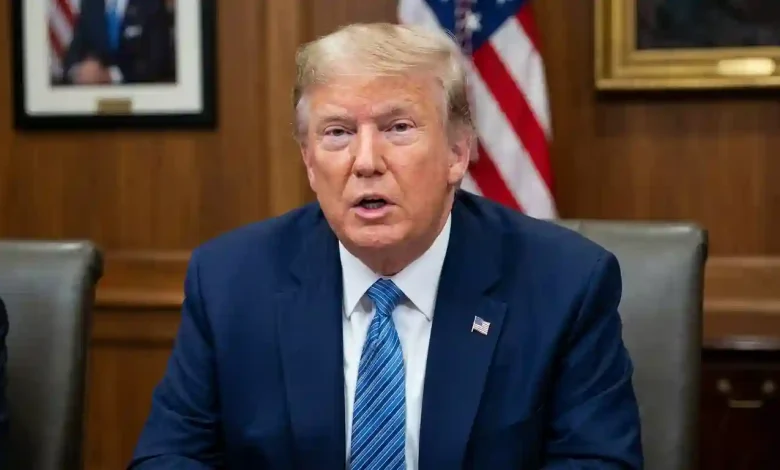
Table of Contents
Trump cancels Iran strikes, marking a stunning pivot in U.S. foreign policy as the President claims a diplomatic breakthrough is on the horizon. Over the weekend, the administration confirmed it had paused a highly anticipated campaign of military retribution against Iranian targets. This sudden decision was motivated, according to the White House, by requests from regional allies and backchannel assurances from Tehran regarding its contested atomic ambitions. For weeks, tension had been building toward a devastating confrontation, with intensive strikes on Iran planned to target key strategic sites. However, with the latest announcement of Trump halting planned strikes, the world has been forced to shift its focus from the theater of war to the negotiation table. This transition comes at a critical juncture in the conflict, testing whether diplomacy can prevail over military might or if this is merely a temporary lull before an inevitable storm.
The Sudden Decision: Cancelling the Planned Military Strikes
The decision to stand down came at the eleventh hour, just as international monitors and intelligence agencies warned of an impending and massive military campaign. For the past several weeks, the Persian Gulf has been on a razor’s edge, characterized by localized exchanges, cargo ship seizures, and threats of total war. Military planners had finalized targets inside the Islamic Republic, ranging from air defense systems to critical economic terminals. These preparations had created an atmosphere of inevitability, with analysts predicting a conflict that would drag the global economy into a deep recession.
However, the rapid diplomatic intervention of regional neighbors shifted the trajectory. Security advisors and diplomats successfully argued that launching a direct offensive would permanently close the window on negotiated settlements, while potentially triggering a asymmetric regional retaliation that could devastate neutral oil producers. By choosing to suspend the operation, Washington is attempting to project confidence, asserting that its military leverage has forced Tehran to negotiate under extreme pressure.
The Truth Social Announcement and Its Implications
On Saturday, August 1, 2026, the President took to his proprietary platform, Truth Social, to deliver the surprise announcement. In his characteristically direct and dramatic style, he explained that his decision was made to avoid unnecessary loss of life and to provide an opening for a permanent resolution. He posted: “Based on this request, I have agreed, for the future benefit of the WORLD and, likewise, the survival of a successful and prosperous Iran, to cancel the attack, subject to being able to rapidly make a DEAL.”
He went on to assert that the U.S. remains “locked and loaded” and ready to unleash unprecedented military power if the negotiations fail to yield immediate, concrete results. The stark contrast between proposing peace and threatening total destruction has become a trademark of this administration’s foreign policy. This dual-track strategy leaves both allies and adversaries guessing about the true threshold for U.S. military intervention, raising concerns about potential miscalculations on either side.
The Two-Fold Strategy: Nuclear Program and Strait of Hormuz
The proposed framework for this rapid diplomatic resolution rests on two critical pillars. First, the complete and absolute termination of Iran’s nuclear weapon ambitions. Second, the immediate, complete, and unrestricted reopening of the Strait of Hormuz to global shipping. The shipping lane, which handles nearly a fifth of the world’s petroleum consumption, has been a central battleground in the conflict, with blockades and strikes paralyzing global energy markets.
Under the proposed terms, the U.S. naval blockade on Iranian ports would be eased systematically as Tehran complies with rigid nuclear inspections and safeguards. If successful, this double-pronged strategy would stabilize global energy prices while securing a historic non-proliferation agreement. However, achieving compliance on both fronts simultaneously remains an incredibly complex diplomatic challenge, as both sides hold highly incompatible views on what constitutes a fair and verifiable verification mechanism.
Analyzing the Nuclear Deal Claims
Skeptics are already questioning the feasibility of a rapid atomic agreement. The President has asserted that “phase two” of the talks will quickly resolve the nuclear threat, establishing a permanent inspection regime that guarantees Iran never obtains a warhead. Yet, international arms control experts point out that negotiating a comprehensive nuclear framework typically takes months, if not years, of meticulous drafting. To assume that such a deal can be finalized “rapidly” under the threat of imminent bombardment seems, to many, to be wishful thinking.
In past cycles of confrontation, temporary pauses have often been used by Tehran to buy time, disperse critical military assets, and fortify underground research facilities. Without a binding inspection protocol already agreed upon, a simple statement of intent on social media does little to halt the centrifuges spinning in Natanz and Fordow. Consequently, arms analysts suggest that any rapid agreement may lack the robust verification measures necessary to prevent covert weaponization.
The Strategic Importance of the Strait of Hormuz
To fully comprehend the stakes of these negotiations, one must look at the geography of the Strait of Hormuz. Running between Iran and Oman, this narrow waterway is the world’s most vital energy transit choke point. The disruption of traffic through this channel instantly triggers spikes in oil prices, leading to severe inflationary pressures across the Western hemisphere. For the U.S. administration, securing the unconditional reopening of the waterway is not merely a foreign policy goal—it is a domestic economic imperative.
Inflationary fears and supply-chain bottlenecks have already placed heavy political burdens on Washington. Therefore, resolving the shipping crisis is seen as the immediate priority of any backchannel agreement, with some officials suggesting that maritime security must be guaranteed before broader geopolitical disputes can even be addressed. This economic reality has given Iran considerable leverage, as their ability to threaten global commerce remains their strongest deterrent against direct Western intervention.
Regional and International Reactions to the Pause
The reaction from regional power brokers has been a mixture of relief and intense skepticism. Traditional U.S. allies in the Gulf, including Saudi Arabia, the United Arab Emirates, and Qatar, reportedly played a significant role in advocating for the military stand-down. These nations, positioned on the front lines of any potential regional conflagration, feared that U.S. strikes would invite immediate retaliatory attacks on their own critical infrastructure. Behind the scenes, intensive backchannel diplomacy has been underway, with Omani and European diplomats shuttling messages between Washington and Tehran.
Israel has also reportedly joined the commitment to hold off on immediate strikes, although Israeli defense officials have made it clear that their patience is extremely limited and that they reserve the right to act unilaterally if they detect any accelerated enrichment activity by Iran. Meanwhile, European nations have welcomed the pause but continue to urge both sides to refrain from provocative rhetoric that could derail the fragile diplomatic channel.
Iran’s Official Response: Denial and Skepticism
Despite the optimistic narrative presented by the White House, the view from Tehran is radically different. On Monday, August 3, 2026, Iranian Foreign Ministry spokesperson Esmaeil Baghaei issued a stern statement to reporters, firmly rejecting the notion that any direct, high-level negotiations with the United States were underway. This swift public rebuttal added fuel to the fire, prompting Iran’s denial of the claims to dominate international headlines.
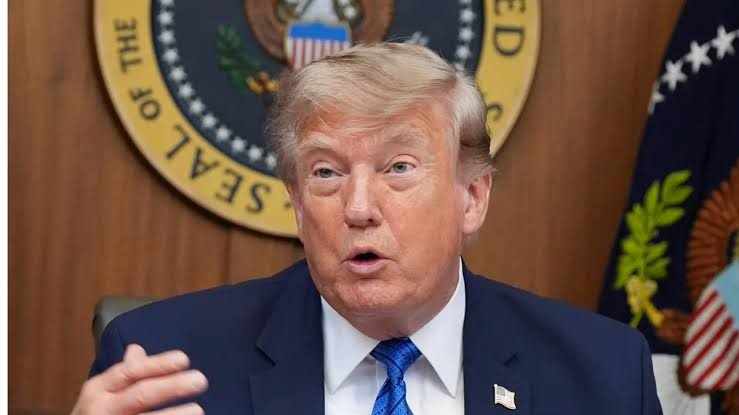
Official state media went even further, accusing the U.S. President of fabricating the request for a pause as part of a psychological warfare campaign. Local news agencies, including Mehr and Fars, cited senior defense officials who described the claims of a pending deal as a “lie,” stating that the nation’s armed forces remain on high alert and are prepared for any eventuality. This public stance of rejecting any peace negotiations reflects a deep-seated distrust within the Iranian establishment, where any concession to American pressure is viewed as a sign of political weakness. Consequently, with Iran rejecting Trump’s proposal, the prospects for a smooth, swift resolution appear increasingly remote, highlighting the massive disconnect between Washington’s public optimism and Tehran’s defiant posture.
Backchannel Diplomacy and Regional Mediation
While the public rhetoric remains hostile and filled with mutual recriminations, veteran diplomats suggest that real negotiations are occurring strictly through intermediate channels. Oman, which has historically acted as a reliable bridge between Western powers and the Islamic Republic, is once again playing a pivotal role. Diplomatic sources report that Omani envoys have been working tirelessly to establish a framework that allows both sides to claim victory without compromising their respective red lines.
For Tehran, any viable deal must include the immediate lifting of severe economic sanctions and the removal of the naval blockade that has choked their domestic economy. For Washington, any agreement must feature concrete, verifiable guarantees that prevent uranium enrichment beyond civil power-generation levels. Bridging these fundamentally opposing goals via third-party mediation is an uphill battle, but it currently represents the only viable alternative to a catastrophic regional conflict.
Geopolitical Consequences of the U.S. Stand Down
The decision to halt the bombardment has profound implications for the balance of power in the Middle East. On one hand, it demonstrates the limits of military deterrence. Despite massive naval deployments and intense rhetoric, the U.S. was ultimately forced to pause its plans due to economic pressures and the vulnerabilities of its regional allies. On the other hand, the pause gives Iran crucial breathing room as the ongoing Iran war day 156 passes without a massive air campaign.
Defense analysts argue that this operational pause could allow Iranian forces to reorganize their air defense networks and reposition mobile missile launchers, reducing the effectiveness of any future U.S. strikes if talks eventually collapse. Whether this decision is remembered as a masterclass in coercive diplomacy or a strategic miscalculation that undermined American credibility remains to be seen. What is clear is that the geopolitical landscape has been permanently altered, and the margin for error in the Persian Gulf has never been smaller.
Comparing the Options: Military Action vs. Diplomatic Resolution
To better understand the competing strategies currently debated within the White House and international defense circles, it is helpful to contrast the potential outcomes of a military campaign versus a negotiated diplomatic settlement. Each path carries immense risks and rewards for global stability, regional security, and the global economy.
| Strategic Factor | Military Escalation Scenario | Diplomatic Resolution Scenario |
|---|---|---|
| Global Oil Prices | Extreme spike (potential Brent Crude exceeding $120/barrel) due to prolonged Strait of Hormuz closure. | Stabilization and rapid decline (Brent Crude dropping toward $75-$80/barrel) as blockades are lifted. |
| Nuclear Program Impact | Temporary delay through physical destruction; may drive remaining facilities further underground. | Long-term monitoring and verifiable caps on uranium enrichment through international inspector access. |
| Regional Stability | High risk of multi-front war involving regional proxies, threatening allied economic infrastructure. | De-escalation of regional proxy conflicts, particularly in Yemen, Lebanon, and Iraq. |
| U.S. Domestic Economy | Increased inflation, rising fuel costs, and potential supply-chain disruptions in transport sectors. | Economic relief, normalization of trade routes, and lower energy costs for consumers. |
| Alliance Cohesion | Strains relationships with European and Gulf allies who prefer containment over direct military conflict. | Strengthens multilateral diplomatic coalitions, restoring coordination on global security goals. |
Conclusion: What Lies Ahead for U.S.-Iran Relations?
The coming days will be critical in determining whether this pause is the first step toward a historic diplomatic breakthrough or a temporary interlude before a massive military escalation. The President’s assertion that a deal is imminent stands in stark contrast to Tehran’s defiant denials, creating a volatile environment where a single miscalculation or maritime incident could spark a wider war.
For now, the bombers remain on the runways, and the global markets wait with bated breath. The world can only hope that the backchannel channels remain open, and that both Washington and Tehran find a way to navigate this dangerous impasse without plunging the region into a devastating conflict. In the high-stakes game of global politics, the line between war and peace has never been thinner.