Iran Negotiates Hormuz Route as Trump Pauses Strikes 2026
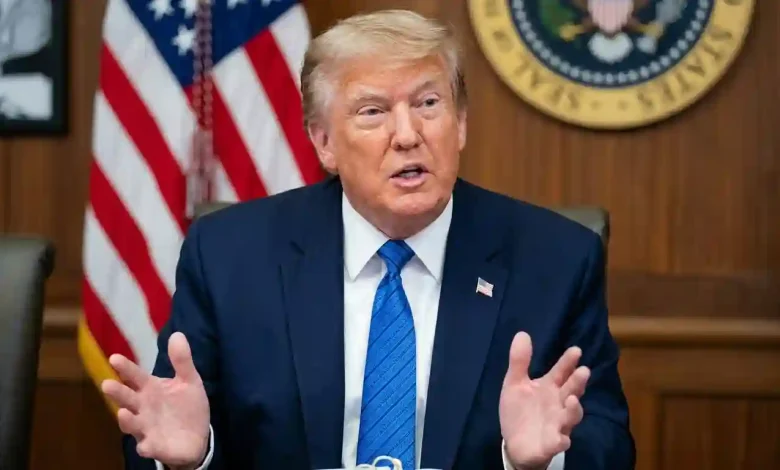
Table of Contents
Iran is currently negotiating with Oman to reach an understanding over a temporary route through the strategic Strait of Hormuz, with the primary objective of allowing commercial shipping to safely resume in the conflict-ridden waterway. This critical diplomatic push occurs against a backdrop of escalating tensions and the ongoing developments of the Iran War, which has severely disrupted global energy markets and maritime security. While Tehran focuses its efforts on Muscat, United States President Donald Trump announced that a new round of talks aimed at ending the military conflict would begin on Monday, following his decision over the weekend to call off planned massive strikes against Iranian targets.
The juxtaposition of Trump’s public pronouncements and Tehran’s flat-out denial of direct negotiations highlights the complex, multi-layered nature of current diplomatic maneuvers in the Persian Gulf. While the White House insists that a framework for direct engagement is already underway, Iranian Foreign Ministry officials maintain that they have no intention of holding talks with the United States. This public spat has already provoked an angry response from President Trump, who took to social media to lash out at Iranian leaders, terming their behavior “unbelievably duplicitous.”
Introduction to the Hormuz Corridor Dispute
The Strait of Hormuz, a narrow waterway separating Iran and Oman, is widely regarded as the world’s most critical energy chokepoint. Approximately one-fifth of the world’s total petroleum consumption passes through this strategic corridor daily. However, the military conflict that erupted earlier this year has resulted in a complete disruption of maritime safety. Facing a strict blockade and retaliatory strikes, commercial vessels have largely avoided the region, driving up global oil prices and fueling fears of economic instability. The news of a potential temporary shipping route represents the first concrete effort to restore commercial maritime traffic to pre-war levels.
This bilateral push with Muscat follows a temporary pause in direct US airstrikes. Over the past few weeks, military actions had intensified, with both sides trading heavy fire. The pause in strikes was ostensibly meant to give regional mediators a window to secure a pathway for civilian commerce. However, the mechanism under which this route will operate remains a point of deep contention between Tehran, Muscat, and Washington, with each party attempting to project sovereign control over the waterway.
Oman’s Role as a Middle East Broker
Historically, the Sultanate of Oman has positioned itself as an indispensable neutral mediator in the Middle East, frequently acting as a quiet diplomatic bridge between the United States and the Islamic Republic of Iran. Throughout the current crisis, Muscat has once again taken center stage, seeking to defuse tensions before they spill over into a broader regional war. The technical discussions currently underway between Iranian Foreign Ministry officials and their Omani counterparts represent a bilateral effort to establish a temporary intermediate shipping channel.
Oman’s diplomatic calculus is driven by both security and economic survival. A protracted blockade of the Strait of Hormuz directly threatens Omani ports and disrupts local commerce. By offering a southern route near its coastline, Oman hopes to bypass the heavy militarization of Iranian territorial waters. However, Tehran’s insistence on joint control and the collection of transit “service fees” has complicated negotiations. For its part, Washington is trying to prevent any mechanism that yields geopolitical or financial concessions to the Iranian regime, relying heavily on backchannel diplomacy through regional partners like Qatar and Pakistan to test Tehran’s willingness to make concessions.
The Trump Administration’s Strategy and Claims
In typical fashion, President Donald Trump has adopted a high-stakes, maximum-pressure approach coupled with sudden announcements of potential breakthroughs. Speaking to reporters at the White House, Trump asserted that direct talks with Iran were imminent and that Trump canceled scheduled massive strikes over the weekend specifically to allow these negotiations to commence. According to Trump, Gulf allies such as Saudi Arabia, the United Arab Emirates, and Qatar urged him to hold off on a planned large-scale military offensive to let diplomatic efforts play out.
The strategy driving Donald Trump’s war in Iran appears to alternate between threats of total destruction—which he has referred to as “decapitation”—and assertions that a comprehensive peace deal is within reach. Trump’s domestic critics, however, suggest that his sudden pauses are also motivated by the political risks of a prolonged, unpopular conflict ahead of the upcoming United States midterm elections. The administration remains under pressure to secure the immediate reopening of the Strait of Hormuz, yet Pentagon officials warn that accepting any proposal that increases Iranian leverage over shipping routes would represent an unacceptable concession.
Truth Social Reaction: Accusations of Duplicity
Following Tehran’s public denial of any direct talks with the US, Trump vented his frustration on his Truth Social platform. He described the Iranian leadership as “unbelievably duplicitous,” claiming that they had privately begged for meetings while publicly bragging to their domestic audience that they were refusing to negotiate with Washington. Trump reaffirmed that the United States Navy maintains a complete blockade over Iranian waters—which he termed a “Wall of Steel”—and warned that “nothing gets through to Iran” unless a deal or “total surrender” is achieved.
The White House Perspective on Shipping Corridors
From the White House perspective, any temporary route through the Strait of Hormuz must be established under international maritime oversight and must not require Iranian permission or involve the payment of tolls. Senior administration officials have disputed the reports emanating from Tehran that a “service fee” would be split equally between Iran and Oman. Trump has made it clear that the US Navy will continue to patrol the strategic waterway and will not tolerate any system that allows Iran to monetize commercial shipping transit while continuing its nuclear ambitions and its regional proxy operations.
Iran’s Official Position: Rejecting Direct Washington Contacts
Iranian Foreign Ministry spokesperson Esmaeil Baghaei has been unequivocal in denying any direct engagement with the Trump administration. Tehran’s stance is that it will not enter negotiations under the threat of military force and a choking economic blockade. Instead, Iranian officials have framed their dialogue with Oman as a purely bilateral technical exercise aimed at executing their responsibilities under the June 18 ceasefire memorandum of understanding. The Iranian government blames the United States for violating the initial agreement by launching pre-emptive airstrikes and reinstating what they term an unlawful maritime blockade.
Tehran’s refusal to engage directly with the US is also tied to internal political dynamics and its strategic alignment with non-state regional actors. Despite suffering significant losses in its military infrastructure, the Iranian regime seeks to project strength to its domestic base and regional allies. In this context, any concession that looks like a surrender to American demands is politically untenable. By focusing strictly on bilateral talks with Oman, Iran hopes to secure a diplomatic pathway that bypasses the United States while demonstrating to the international community that it is committed to maritime safety, even as its IRGC warnings to Western nations continue to rattle energy markets.
Technical Details of the Proposed Strait of Hormuz Route
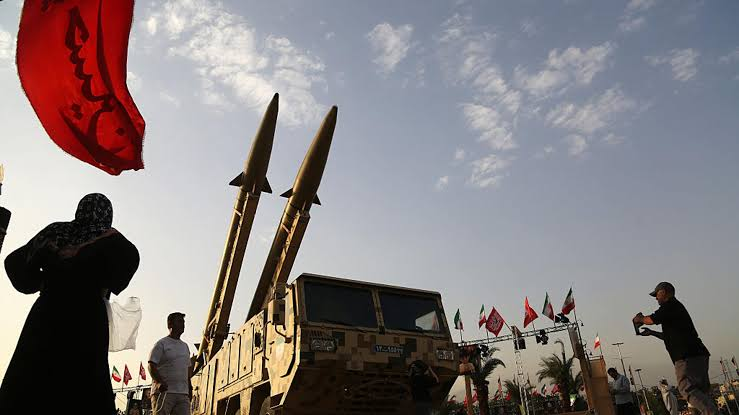
The negotiations between Iran and Oman center on transforming the pre-war shipping lanes into a temporary intermediate corridor. Under the proposed plan reported by various international observers, the incoming traffic into the Persian Gulf would travel through the northern lane, close to Iran’s coast and under the supervision of Iranian authorities. Meanwhile, outbound vessels exiting the Gulf would use the southern lane close to Oman’s coastline. Iranian officials have proposed a “service fee” to cover the costs of environmental impact, security, and staffing, which would be split equally with Oman. According to guidelines by the International Maritime Organization, maritime routes in high-conflict areas require specialized coordination, but the US insists that the transit lanes must remain fully free of any unilateral Iranian supervision or taxation.
| Actor | Official Stance on Negotiations | Key Demands / Objectives | Position on Strait of Hormuz Route |
|---|---|---|---|
| Iran | Negotiating only with Oman; denies any direct talks with the US. | Lift the maritime blockade; secure regional sovereign rights; collect “service fees” for shipping. | Proposes a temporary intermediate round-trip corridor under joint Iran-Oman supervision. |
| United States | Insists direct talks are starting; threatens “total surrender” or “decapitation.” | Complete denuclearization; unrestricted international transit; zero tolls or service fees for Iran. | Demands temporary routes operate under international maritime oversight without Iranian approval. |
| Oman | Acts as a neutral mediator and technical partner. | Restore safe regional commerce; avoid a broader conflict; protect its own coastal shipping lines. | Advocates for a compromise single two-way shipping lane bypassing heavy military zones. |
| Regional Allies (KSA, UAE, Qatar) | Supporting diplomatic mediation; urging caution. | Avert a catastrophic regional war; stabilize global energy prices; protect domestic infrastructure. | In favor of any temporary solution that immediately resumes the flow of commercial tankers. |
Regional Impact and the Global Energy Supply Chain
The geopolitical standoff in the Strait of Hormuz has sent shockwaves through the global economy, directly affecting energy prices, maritime insurance rates, and international trade routes. Since the closure of the primary lanes, international oil benchmarks have fluctuated wildly. Energy analysts warn that any prolonged closure of the strait could trigger a global energy crisis. For countries heavily dependent on Middle Eastern crude—particularly in East Asia and Europe—the lack of safe passage is a pressing economic threat. These events are part of the broader framework of the Iran-US conflict, which has escalated to include multiple flashpoints across the Middle East, including maritime incidents in the Red Sea and drone attacks in neighboring countries.
Furthermore, shipping companies are facing astronomical increases in war-risk insurance premiums, with some insurers refusing to cover vessels transiting the Persian Gulf altogether. This has forced major maritime conglomerates to consider alternative, much longer routes around the Cape of Good Hope, adding significant transit time and fuel costs to global supply chains. A temporary, mutually agreed-upon route through Omani and Iranian waters could provide immediate relief to these shippers, but the legal and logistical complexities of such a deal remain unresolved. Industry leaders are watching the negotiations closely, though they remain skeptical that any technical arrangement can truly guarantee safety while military hostilities remain unresolved.
Future Outlook: Deal or Total Surrender?
As the deadline for negotiations approaches, the situation in the Persian Gulf remains highly volatile, with both Washington and Tehran locked in a battle of wills. President Trump’s ultimatum of “a deal or total surrender” suggests that the current window for diplomacy is exceptionally narrow. Amid White House debates over escalation, senior military advisers have prepared multiple contingency plans should the diplomatic track fail. The potential for a sudden resumption of military strikes hangs over the region, and any minor miscalculation by either side in the Strait of Hormuz could reignite full-scale warfare.
For Iran, the strategy appears to be one of calculated resilience. By engaging with Oman and attempting to bypass direct US oversight, Tehran is trying to demonstrate that it can manage regional maritime security independently of Western powers. Whether this diplomatic gambit will succeed depends on whether Oman can broker a compromise that satisfies Iran’s security concerns without triggering a military response from the United States Navy. In the coming days, the world will watch whether the temporary route through the Strait of Hormuz can become a reality, or if the region will descend once again into intense conflict.


One Comment