Airstrikes against Iran Paused as US Weighs Next Steps 2026
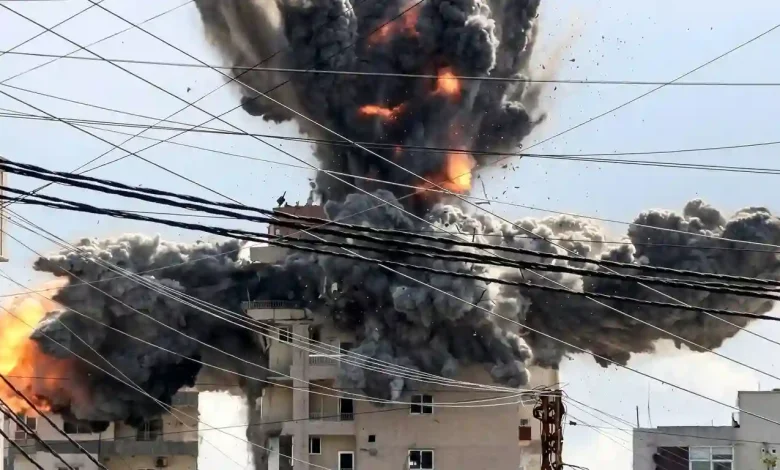
Table of Contents
Airstrikes against Iran have been placed ‘on a hold,’ according to a senior Department of Defense (DOD) source on Saturday, marking a dramatic and unexpected pause in hostilities after the United States bombed targets across the country for 13 consecutive nights. The sudden silence has left international observers and regional actors questioning whether the temporary halt signals the start of backchannel diplomacy or represents a tactical regrouping ahead of a much larger military campaign. U.S. Central Command (CENTCOM) did not announce any new air operations on Friday or Saturday, leaving a conspicuous gap in public communications. While it remains unconfirmed if military operations were completely suspended over the past 48 hours, the lack of activity has temporarily quieted skies that had been illuminated by heavy ordnance for nearly two weeks.
Regional security officials and U.S. allies in the Middle East have reported no fresh Iranian retaliatory attacks over the weekend, offering a brief window of respite. However, the underlying drivers of the conflict remain highly volatile. From intense debates within the White House to active naval blockades and escalating proxy skirmishes in the Red Sea, the situation remains a powder keg. This article provides a comprehensive, multi-dimensional analysis of the current state of the U.S.-Iran conflict, exploring the military, political, and economic forces shaping this pivotal moment in global geopolitics.
The Strategic Pause: Operations ‘On a Hold’
The announcement that offensive actions have been paused caught many by surprise, given the sheer momentum of the air campaign. For nearly a fortnight, CENTCOM had maintained a punishing operational tempo, striking command and control nodes, air defense batteries, and ballistic missile storage facilities. When U.S. airstrikes against Iran enter a 13th night of continuous bombardment, military analysts expected the campaign to proceed indefinitely until Tehran capitulated or agreed to direct talks. Instead, the weekend brought an abrupt lull, with no new strikes reported on Friday or Saturday.
The silence from CENTCOM has fueled intense speculation. Military experts suggest that a tactical pause is often required to conduct Battle Damage Assessment (BDA) and to analyze the effectiveness of the precision-guided munitions deployed. Without a clear BDA, continuing to bomb the same coordinates risks wasting high-value munitions on already neutralized targets. However, political factors are playing an equally significant role, with the administration potentially utilizing the lull to test Tehran’s willingness to de-escalate or to allow international intermediaries to deliver diplomatic messages.
Washington’s Internal Debate: Vance and Caine Express Concerns
Behind closed doors at the White House, the question of whether to escalate or suspend the war has triggered deep divisions. During a high-stakes meeting on Friday, President Donald Trump weighed the possibility of expanding the military campaign into a broader, more aggressive offensive. However, he was met with significant caution from key figures within his own inner circle. Vice President JD Vance and the Chairman of the Joint Chiefs of Staff, Gen. Dan Caine, both raised serious concerns about the long-term strategic consequences of a wider war.
Vance has reportedly emphasized the domestic political risks of a protracted conflict, noting that an open-ended engagement in the Middle East could drain resources, alienate war-weary voters, and damage the economy. Gen. Caine, representing the military establishment, presented rigorous modeling showing the potential for regional escalation, which could drag the U.S. into a multi-theater ground war. Caine warned that expanding the targeting list to include non-military infrastructure or civilian centers would almost certainly trigger a coordinated asymmetric response from Iran’s vast network of regional proxies, including Hezbollah in Lebanon and various militias in Iraq and Syria.
Mixed Messages: Negotiation Bluster vs. Military Reality
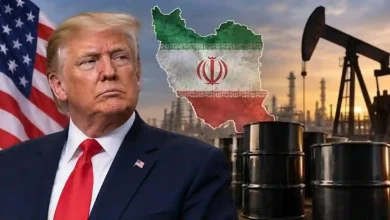
As internal debates consume Washington, the public statements from both sides remain highly contradictory. President Trump recently claimed that Tehran was ‘getting more serious’ about negotiations and would ‘love to make a deal,’ suggesting that the intensive bombing campaign had successfully forced the Iranian leadership to the negotiating table. Trump’s public optimism is a classic element of his deal-making rhetoric, designed to signal strength while keeping the door open for a high-profile diplomatic breakthrough.
However, this narrative was swiftly rejected by Iranian officials. On Saturday, a senior Iranian military commander publicly contradicted Trump’s assertions, calling them ’empty propaganda’ and declaring that Iran would not negotiate under the duress of American bombs. This public rejection highlights the profound lack of trust between the two capitals. While backchannel negotiations via Swiss or Omani intermediaries may still be active, the public posturing indicates that neither side is willing to appear weak to their domestic audiences.
The Escalation Path: A History of Recent Engagements
To understand the significance of the current pause, one must look at how rapidly this round of hostilities escalated over the past several weeks. Prior to this weekend’s silence, the theater of conflict had been expanding day by day. We previously observed airstrikes against Iran entering a ninth day of escalating tension, showcasing a relentless pattern of cross-border strikes that systematically targeted drone manufacturing facilities and logistics routes.
Each night of the campaign brought fresh risks of miscalculation and higher costs. The financial burden of the operations has also drawn sharp scrutiny from lawmakers in Washington. The intensity of the military campaign was fully apparent as bombing operations during the eleventh night of conflict depleted inventories of precision-guided standoff weapons and pushed the operational price tag into the billions. This compounding financial and physical toll has undoubtedly influenced the Joint Chiefs of Staff to advocate for a more calculated, measured approach rather than a continuous, unchecked bombardment.
The Red Sea Cauldron: Houthi Attacks and Saudi Counter-Strikes
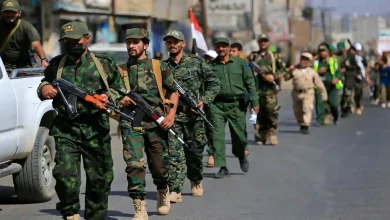
Even as direct strikes between the U.S. and Iran paused, the proxy war in the wider region continued to boil. On Saturday, the Iran-backed Houthi rebels in Yemen announced they had launched successful attacks against Saudi maritime and energy installations along the Red Sea coast. This escalation came immediately after Saudi forces, operating in coordination with Western security partners, conducted targeted airstrikes against Houthi military assets in Yemen the previous day.
The Houthis’ retaliatory capability remains a severe threat to international commerce. By targeting Saudi coastlines, the rebels are sending a direct message that any offensive actions against them will result in asymmetric disruptions to regional energy infrastructure. The ongoing violence along the Red Sea coast demonstrates that a localized pause in U.S. strikes against mainland Iran does not automatically translate to peace across the region’s interconnected conflict zones.
Enforcing the Blockade: Naval Interceptions and Economic Chokepoints
While the skies may have been quiet, the maritime arena saw intense activity. On Saturday, the U.S. Navy confirmed that American forces had boarded a commercial tanker suspected of transporting illicit Iranian petroleum products. The boarding action was executed as part of an aggressive, ongoing embargo designed to starve the Iranian government of export revenues. The Pentagon emphasized that the ‘naval blockade against Iran remains in full effect,’ showing that economic warfare has not been paused along with the airstrikes.
This maritime pressure campaign has significantly elevated risks throughout regional shipping lanes, especially with the U.S. reimposing port bans and sealing shipping lanes to choke off illicit crude exports. As tensions inside the Strait of Hormuz escalated, merchant vessels have been forced to navigate highly militarized waters, often requiring military escorts to deter hostile boardings or drone strikes. Prior to this naval blockade, U.S. forces launched massive airstrikes against Iran to degrade its coastal defense cruise missiles, anticipating that Tehran would try to disrupt shipping as a counter-measure. By maintaining a tight grip on the waters, Washington hopes to maintain leverage even during an aerial lull.
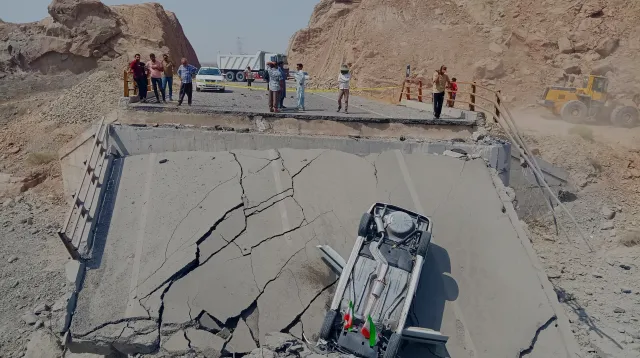
The blockade’s enforcement has not been without its challenges. The U.S. Navy has had to balance aggressive interdictions with the need to avoid sparking a direct naval clash that could shut down global shipping. For months, the specter of tanker attacks in the Strait of Hormuz has haunted global maritime underwriters, driving up insurance premiums and forcing many shipping conglomerates to reroute vessels around the Cape of Good Hope, adding weeks to transit times and millions to shipping costs.
Honoring the Fallen: The Toll on American Service Members
The human cost of this conflict was brought into sharp focus this week as the Department of Defense formally identified Staff Sgt. Angel S. Rampersad as one of the American service members killed in action during an Iranian-backed ballistic missile and drone attack in Jordan earlier this month. Rampersad, a 28-year-old soldier from Queens, New York, was assigned to the 1st Battalion, 57th Air Defense Artillery Regiment, under the 10th Army Air & Missile Defense Command. She had initially been listed as missing before forensic teams confirmed her death, raising the overall death toll to 18 U.S. service members since the war began.
Rampersad’s death has sparked widespread mourning and intensified domestic political pressure on the White House. Described by friends and family as a ‘gentle giant’ who was deeply committed to serving her country, her loss has galvanized support for strong defensive measures while simultaneously highlighting the extreme risks faced by U.S. troops deployed to forward operating bases in the region. The tragedy has forced military commanders to reassess force protection protocols, particularly regarding short-range air defense systems tasked with intercepting low-altitude drones and precision ballistic missiles.
Economic Blowback: Pain at the Pump and Soaring Crude Prices
As the geopolitical storm rages in the Middle East, ordinary American consumers are feeling the direct economic consequences. On Saturday, the national average price for a gallon of gasoline surged to $4.11, marking an 11-cent increase in just the past week. The steady upward trajectory in fuel prices is a direct reflection of the heightened risk premium embedded in global crude markets due to the ongoing volatility in the Red Sea and the Strait of Hormuz.
This economic pressure represents a significant vulnerability for the domestic economy. Previously, when oil prices spiked dramatically, causing economic shockwaves across financial markets, the Federal Reserve faced renewed challenges in controlling inflation. If shipping lanes remain blocked or contested, energy analysts warn that retail gasoline prices could easily march toward historic highs, further dampening consumer confidence and threatening to drag the broader economy into a period of stagflation.
Key Indicators of the U.S.-Iran Conflict
The following table provides a clear, data-driven summary of the critical dimensions of the conflict as of late July 2026, highlighting the current operational, diplomatic, and economic metrics:
| Strategic Indicator | Current Operational Status | Key Strategic Implication |
|---|---|---|
| U.S. Air Operations | On Hold (After 13 straight nights) | Allows for battle damage assessment and backchannel diplomatic posturing. |
| Naval Blockade | Fully Enforced (Tanker boarded Saturday) | Aims to cripple Iran’s economic lifeline by halting crude oil shipments. |
| Red Sea Maritime Security | Highly Volatile (Houthi attacks on Saudis) | Disrupts commercial shipping, forces vessels to bypass the Suez Canal. |
| U.S. Domestic Gas Prices | Averaging $4.11/gallon (Up 11¢ in a week) | Fuels domestic inflation and places political pressure on the administration. |
| Diplomatic Engagement | Deadlocked / Contradictory Statements | Trump claims progress; Iranian commanders dismiss talks as propaganda. |
Geopolitical Outlook: Is the Pause a Prelude to Peace or War?
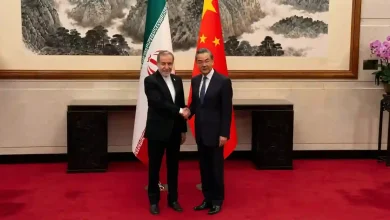
The current pause in military operations represents a critical fork in the road for both Washington and Tehran. If the administration utilizes this window to successfully establish a reliable communication channel with Iranian leaders, a negotiated framework to restore regional stability could emerge. Such a path would require significant concessions from both sides, including a cessation of proxy attacks by groups like the Houthis and a reciprocal easing of the U.S. naval blockade that has paralyzed Iran’s energy exports. To support the diplomatic track, policymakers may look to international neutral entities, such as the U.S. Department of State, to coordinate multilateral security guarantees.
However, if the diplomatic efforts fail and Tehran interprets the U.S. operational hold as a sign of hesitation or political weakness, the conflict is highly likely to resume with even greater intensity. With a tight naval blockade still in place and U.S. gas prices continuing to squeeze household budgets, the status quo is fundamentally unsustainable. The coming days will reveal whether this tactical pause was the first step toward an uneasy peace, or simply the quiet before an even more destructive regional storm.