Iran Ceasefire Proposal Sparks Hope as US Responds After Iraq Exit 2026
Table of Contents
Iran ceasefire proposal initiatives took center stage in international diplomacy on Wednesday after Tehran confirmed receipt of an official communication from Washington regarding terms to resurrect the collapsed truce across the Persian Gulf. The disclosure came merely days after United States President Donald Trump openly declared that he had rejected an earlier version of the agreement, creating widespread confusion among international observers regarding the genuine status of backchannel negotiations. Even as diplomatic emissaries exchanged classified documents through intermediary channels, the broader Middle East underwent a profound historical shift as the final contingent of American armed forces vacated sovereign Iraqi territory, formally closing the curtain on an interventionist chapter spanning more than two decades.
Diplomatic Breakthrough: Washington Submits Counter-Offer to Tehran
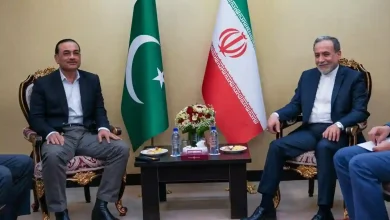
Tehran announced through diplomatic spokespersons that American authorities provided a formal reply addressing key security demands centered on maritime passage, missile deterrence, and regional de-escalation. While early reports hinted at total diplomatic paralysis, officials indicated that backchannel communication never fully ceased. The ongoing exchange highlights an acute urgency to de-escalate hostilities before naval skirmishes spiral into unrestrained regional warfare. A central component of this engagement touches directly upon the fundamental tenets of Iran diplomacy demand parameters that have evolved significantly throughout the duration of this protracted crisis.
Diplomats stationed in neutral capitals including Muscat and Doha have played a vital logistical role in shuttling language between the two governments. Sources familiar with the talks confirm that Washington sought structural guarantees that Iranian naval assets and allied paramilitary organizations would refrain from harassing international commercial shipping vessels. In exchange, Tehran seeks a phased relaxation of punitive naval blockades and a clear framework for long-term mutual security recognition across maritime chokepoints.
Trump’s Public Rhetoric vs Backchannel Reality
The sudden revelation that Washington dispatched a counter-proposal caught many defense analysts off guard, especially after public remarks delivered earlier in the week suggested that negotiations were essentially dead. President Trump had stated emphatically that the proposal submitted by Tehran failed to meet core American prerequisites for regional containment and nuclear oversight. Such stark divergence between public posturing and covert diplomatic mechanics is not unprecedented; executive posturing frequently serves to project domestic strength while career envoys draft compromise measures. The geopolitical rhetoric echoes prior confrontations where Trump warns Iran UN delegations that the administration retains unilateral military escalation supremacy if regional agreements are violated.
Strategic analysts believe that the administration’s public rejection was calibrated to establish maximalist leverage before returning to the negotiating table with revised stipulations. Privately, defense planners recognize the heavy logistical burdens associated with open-ended naval deployments across vast Middle Eastern theaters, especially when military stockpiles face strain from simultaneous commitments across the globe.
The End of an Era: Complete US Troop Withdrawal from Iraq
Simultaneously unfolding alongside these high-stakes truce talks was a historic military transition: the total departure of American combat units from Iraq. Decades after the 2003 invasion that toppled Saddam Hussein, the Pentagon completed the orderly handover of remaining forward operating bases and training centers to Iraqi federal forces. The departure signifies the operational conclusion of a conflict that redefined American foreign policy, military doctrine, and regional alliances for an entire generation.
For Baghdad, the departure marks the full restoration of national sovereignty over defense installations, while simultaneously elevating internal political pressures. The drawdown has altered the regional calculus, directly reshaping how neighboring powers interface across shared borders. Observers note that as Washington vacates central operational hubs, the political atmosphere surrounding the US blockade on Iran faces structural re-evaluation given the changing military footprints in surrounding territories.
Two Decades of War: Human Toll and Geopolitical Realignment
The conclusion of the American deployment in Iraq brings the staggering human and economic cost of the campaign into sharp relief. Over the course of the post-2003 conflict and subsequent operations against insurgent movements, more than 4,500 American military personnel lost their lives in what became the United States’ largest military conflict of the 21st century. Thousands more sustained debilitating combat injuries that reshaped military veterans’ healthcare obligations for decades.
For the civilian population of Iraq, the consequences were vastly more catastrophic. International epidemiological surveys and conflict trackers estimate that over 200,000 Iraqi non-combatants died in the sectarian chaos, insurgent assaults, counter-terrorism operations, and infrastructural decay unleashed by the collapse of central governance. The power vacuum spawned protracted domestic instability that fundamentally transformed regional power balances, creating conditions that ultimately empowered Tehran’s strategic depth across the Levant.
Regional Reactions: Tehran’s Allies Celebrate Strategic Milestone
Across the regional capitals aligned with Iran, news of the American withdrawal sparked triumphalist demonstrations and public proclamations of victory. Political factions in Baghdad, militia formations in Syria, and political leadership in southern Lebanon celebrated the departure as an irreversible defeat for Western military interventionism. In Tehran, state media framed the troop withdrawal as proof of long-term strategic resilience, arguing that asymmetrical endurance outlasted superior conventional firepower.
Regional security experts observe that the shift drastically enhances Tehran’s diplomatic leverage during the ongoing ceasefire talks. With conventional land-based forces withdrawn from neighboring territory, American options are primarily confined to standoff naval, aerial, and cyber capabilities. This tactical transition creates fresh room for negotiation over maritime protocols, tying closely into the diplomatic objectives defined during the Iran U S memorandum of understanding peace proposals explored earlier this year.
Maritime Security and the Battle Over Freedom of Navigation
The central pillar holding the current ceasefire hostage remains the contentious status of commercial maritime corridors. Tehran has repeatedly argued that safe passage across vital waterways cannot be separated from broader economic sanctions and sovereign naval boundaries. The friction surrounding maritime jurisdiction has escalated sharply, compelling commercial container fleets and oil supertankers to reroute around vulnerable bottleneck locations.
Efforts to resolve these tensions must address specific maritime benchmarks, as outlined in discussions examining Iran conditions reopen frameworks for key shipping channels. Diplomatic observers note that regional security hinges on stabilizing transit through global trade arterials, especially considering the elevated tensions documented during recent standoff incidents across the Iran Strait of Hormuz transit corridors.
Unless the counter-proposal sent by Washington provides meaningful compromises regarding the rights of commercial navigation versus sovereign territorial control, technical working groups caution that any truce could unravel rapidly upon the first maritime interception incident, making delicate discussions like those surrounding Iran negotiates Hormuz passage vital to maintaining long-term stability.
Comparative Strategic Landscape: Diplomacy vs Military Operations
Understanding the current stalemate requires evaluating how military footprints, diplomatic demands, and regional leverage points have evolved following the complete handover of Iraqi security commands.
| Strategic Dimension | United States Position | Iranian Position | Regional & Global Impact |
|---|---|---|---|
| Maritime Transit | Demands unconditional freedom of navigation without vessel inspections or harassment. | Insists on sovereign regulatory rights and linking commercial transit to naval sanctions relief. | Fluctuating crude oil prices and spiking marine insurance premiums across global shipping routes. |
| Troop Footprint | Withdrawn entirely from Iraqi territory; relying heavily on offshore carrier strike groups and Gulf bases. | Expanding political integration with regional militia forces; consolidating strategic land bridges. | Sovereign independence for Baghdad alongside elevated exposure to domestic factional tensions. |
| Sanctions & Economy | Maintains strict financial oversight while offering narrow exemptions conditioned on compliance. | Requires substantive unfreezing of assets and systemic trade normalcy prior to signing comprehensive accords. | Supply chain adjustments throughout emerging energy markets in South Asia and East Asia. |
| Verification Mechanisms | Proposes third-party international monitors with real-time surveillance capabilities. | Rejects invasive foreign inspections, favoring regional bilateral confidence-building bodies. | Determines whether any brokered ceasefire provides permanent durability or temporary tactical reprieve. |
The Fragile Path Forward: Verification and Enforceability
With documents now exchanged between both administrations, the coming weeks will determine whether technical committees can translate broad diplomatic principles into a workable operational ceasefire. Skepticism remains acute across Capitol Hill and within the Iranian Majlis, where hardline factions view concessions as an unacceptable capitulation. The enduring friction demonstrates why broader US Iran diplomacy efforts continuously grapple with ideological divides and divergent strategic priorities.
Diplomatic intermediaries emphasize that any sustainable agreement must establish an enforceable dispute resolution mechanism capable of addressing minor border and maritime violations before they trigger retaliatory missile launches or airstrikes. As Washington recalibrates its Middle Eastern presence around naval and standoff defensive architectures, the regional balance of power rests largely on whether these renewed negotiations produce lasting peace or merely preface another phase of regional conflict.