War with Iran 2026: White House Debates Escalation Amid Military Pause
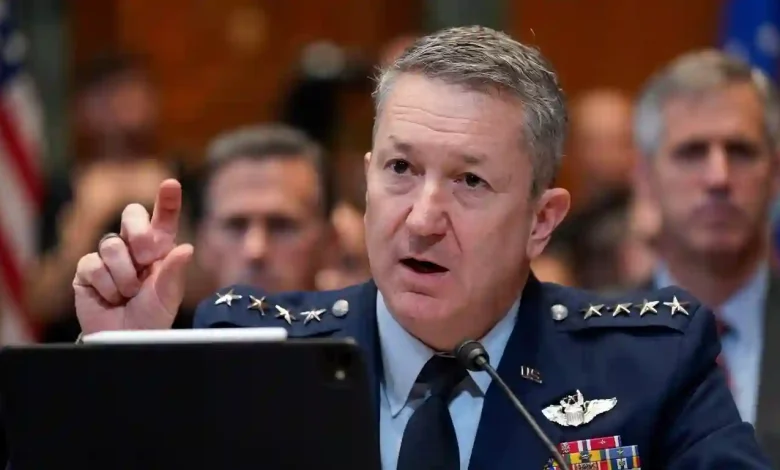
Table of Contents
War with Iran strategies inside the White House are undergoing a dramatic reassessment as geopolitical tensions across the Middle East reach a critical boiling point. Following an intense fortnight of continuous military engagements, the United States has abruptly paused its nightly air campaign, raising complex questions about the broader objectives of the administration’s defensive postures. While President Donald Trump continues to weigh the strategic utility of heavier military interventions, senior leaders within his inner circle are urging extreme caution. The conflict, which began as a localized effort to secure international shipping corridors, has rapidly morphed into a multi-faceted regional conflagration. With proxy forces operating on multiple fronts, the threat of a full-scale war has prompted deep debates over the sustainability of America’s military commitments in the Persian Gulf. As the conflict progressed, reports indicated that Trump considers massive strikes to deter further hostility from regional actors, though the immediate viability of such operations remains a point of contention.
Introduction: The Escalation of the Middle East Crisis
The geopolitical landscape of the Middle East is currently experiencing its most volatile period in decades. Over the last several weeks, a cycle of kinetic strikes and asymmetric naval maneuvers has drawn the United States and its regional allies into a direct confrontation with Tehran and its network of proxy forces. Despite initial assertions that targeted airstrikes would quickly deter hostile actions, the security situation has instead widened, drawing in neighboring nations and threatening critical global trade routes. The administration finds itself at a pivotal crossroads, navigating the delicate balance between demonstrating overwhelming military resolve and avoiding an uncontainable, open-ended war that could strain national resources and destabilize global economic systems.
As diplomatic channels remain largely unresponsive, the focus has shifted toward high-level national security meetings where the future of the campaign is being debated. Military analysts warn that without a clear, defined endgame, the current strategy risks devolving into a prolonged conflict of attrition. The sudden and unannounced pause in U.S. airstrikes over the weekend has signaled to many that a profound internal re-evaluation is underway within the highest levels of the American command structure.
White House Debates: Vance and Caine Raise Munitions Alarms
During a high-stakes National Security Council briefing at the White House on Friday, July 24, 2026, a stark divergence of opinions emerged regarding the trajectory of the military campaign. Vice President JD Vance and the Chairman of the Joint Chiefs of Staff, Gen. Dan Caine, explicitly voiced deep reservations about escalating direct military actions against Iranian soil. According to reports by CNN, Gen. Caine delivered a sobering assessment of the Pentagon’s current munitions stockpiles. While emphasizing that the United States military possesses the unquestioned capability to execute any offensive mission ordered by the Commander-in-Chief, Caine pointed out that the rate of missile interceptor consumption has reached unsustainable levels.
The continuous deployment of high-end air defense assets, such as Patriot and SM-6 missiles, to counter low-cost Iranian-manufactured drones and ballistic missiles has severely strained the military’s global inventories. This structural imbalance has become a focal point of debate, with Vice President Vance echoing these logistical concerns. Vance has privately questioned the longevity of a campaign that relies on burning through highly sophisticated defensive stockpiles faster than American defense contractors can replenish them. The massive financial and physical drain of the campaign is clear, especially as the war with Iran costs 37.5b as Hegseth demands additional appropriations from Congress to sustain ongoing operations.
The Strategic Military Pause: Assessing the 13-Day Bombing Campaign
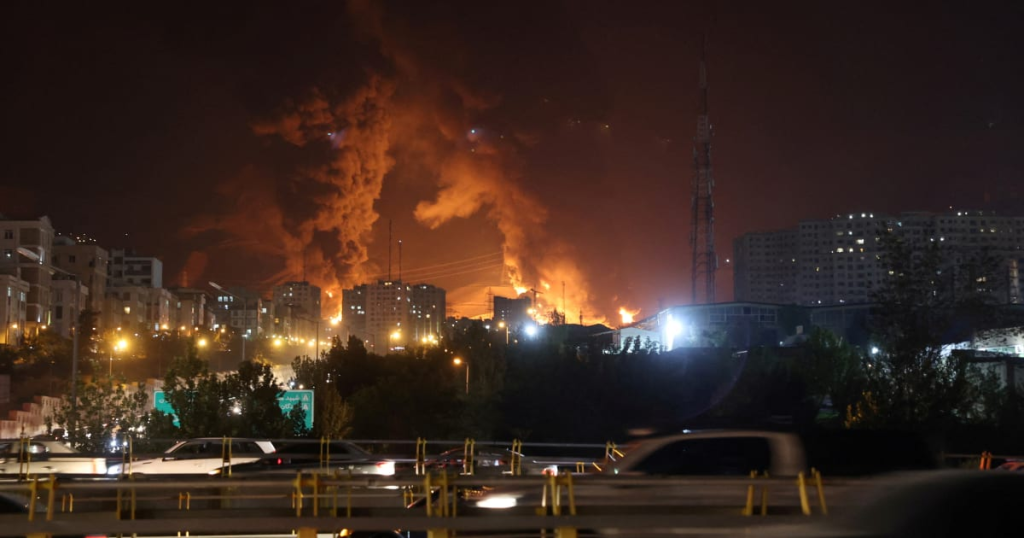
The intense military pressure was evident as U.S. airstrikes against Iran enter 13th night before the sudden suspension of operations on Friday. For nearly two weeks, American strategic assets launched systematic, nightly bombardments targeting Iranian radar installations, air defense nodes, missile silos, and command centers. These strikes were intended to degrade Tehran’s ability to threaten maritime transit routes. However, the subsequent silence over the weekend has sparked intense speculation among defense analysts.
On Friday night, for the first time in fourteen days, the Pentagon did not announce any fresh kinetic actions, and Iranian authorities in Tehran confirmed a peaceful night free from incoming aerial threats. Regional allies, including Israel, Jordan, and various Gulf states, have similarly reported no fresh exchanges of fire over the weekend. While some officials suggest the pause is merely a tactical intermission to allow intelligence teams to conduct battle damage assessments, others believe the administration is deliberately creating a diplomatic window. President Trump indicated that while the military remains “locked and loaded” to resume operations at a moment’s notice, the United States is actively exploring backchannel negotiations to establish a sustainable ceasefire.
A Dangerous New Front: Houthis and Saudi Arabia Clash in the Red Sea
Despite the temporary lull in direct U.S. and Iranian exchanges, the conflict has rapidly metastasized elsewhere. On Saturday, Yemen’s Iran-backed Houthi rebels launched a barrage of long-range ballistic missiles and explosive drones targeting oil facilities belonging to Saudi Aramco. The attacks primarily focused on the Red Sea coastal cities of Yanbu and Jizan, triggering emergency sirens and placing Saudi civilian defense forces on high alert. This aggressive action followed a series of retaliatory airstrikes executed by a Saudi-led coalition against Houthi military strongholds in the port city of Hodeida, which had been utilized to launch maritime raids.
The Houthis’ military spokesperson, Brig. Gen. Yahya Saree, declared that the rebel group will continue targeting Saudi oil infrastructure as long as the kingdom maintains its blockade. This dynamic has shifted the geopolitical landscape significantly as the Houthis blockade Saudi ships as US-Iran tensions bleed into secondary arenas, threatening to reignite the dormant Yemeni civil war and drag Riyadh back into an active conflict.
Global Economic Fallout: Oil and Gas Under Direct Threat
The economic implications of this expanding maritime conflict are reverberating through global financial centers. The Red Sea corridor and the Bab el-Mandeb Strait represent vital arteries for international trade, particularly for the transit of crude oil and liquefied natural gas from the Persian Gulf to European markets. With the Strait of Hormuz already experiencing severe operational disruptions due to the active hostilities, any prolonged threat to Saudi Arabia’s western export terminals at Yanbu could trigger a severe global energy crisis.
The global energy markets reacted violently, triggering massive U.S. economic shockwaves oil hits 100 as new logistical barriers emerged. As cargo vessels and oil tankers are forced to reroute around the Cape of Good Hope, shipping times have extended by weeks, compounding supply chain delays and driving up freight insurance premiums. As a result, consumers are feeling the pinch as gasoline prices climb above 4 amid Middle East anxieties, creating domestic political challenges for the White House.
| Conflict Dimension | Recent Activity Status | Key Strategic Concern |
|---|---|---|
| U.S. Direct Strikes | Paused after 13 consecutive nights of intensive bombardment. | Munitions stockpile depletion, especially medium-to-high-grade interceptors. |
| Houthi-Saudi Front | Targeted Aramco oil facilities in Jizan and Yanbu on Saturday. | Disruption of Red Sea shipping routes; potential reigniting of the Yemeni civil war. |
| Global Energy Markets | Oil volatile near $100 per barrel; Red Sea export routes threatened. | Inflationary pressures and domestic gasoline prices climbing above $4. |
| Diplomatic Efforts | June Memorandum of Understanding (MoU) collapsed; blockade remains active. | Absence of stable negotiating channels between Washington and Tehran. |
The Diplomatic Standoff: Reopening the Strait of Hormuz
At the heart of the current crisis is the total collapse of the June Memorandum of Understanding (MoU). Originally brokered to facilitate a 60-day pause in hostilities and allow for structured diplomatic talks, the agreement fell apart after Iranian forces intercepted several oil tankers transiting the Strait of Hormuz. In response, the U.S. Navy implemented a tight naval blockade, redirecting commercial vessels and isolating key Iranian shipping hubs.
Tensions in critical shipping lanes spiked when the Strait of Hormuz conflict escalates as Hegseth maintained a hardline stance. While the Trump administration insists that the blockade remains in full effect to starve Tehran of oil revenues, Iranian officials have countered that they will not capitulate under economic duress. The Islamic Revolutionary Guard Corps (IRGC) has issued stern warnings to neighboring Gulf nations, advising them to expel U.S. military assets from their soil or face devastating retaliatory strikes.
International Reactions and Future Strategic Risks
The international community is watching the escalation with growing alarm, recognizing that a full-scale war between the United States and Iran would have catastrophic consequences. European allies have repeatedly urged the White House to exercise maximum restraint and avoid actions that could permanently close diplomatic channels. Meanwhile, unexpected regional alignments are taking shape. Over the weekend, Ukrainian President Volodymyr Zelenskyy announced that Ukrainian intelligence services would begin sharing sensitive intelligence with Western partners detailing Russia’s active military assistance to the Iranian regime, particularly regarding the transfer of advanced missile technology. This development highlights how the Middle Eastern conflict is increasingly intersecting with Eastern European geopolitical dynamics. Due to the widespread nature of these threats, the worldwide caution US State Department warns of severe security hazards for American citizens abroad, highlighting the increased risk of retaliatory terrorist actions targeting Western personnel.
Conclusion: A Volatile Standoff on the Brink of Regional Conflagration
The current pause in United States airstrikes offers a fragile, highly temporary moment of reprieve, but the underlying drivers of the conflict remain entirely unresolved. As the White House debates the sustainability of a prolonged war of attrition against Iranian proxies, the opening of the Houthi-Saudi front in the Red Sea demonstrates the immense difficulty of containing this crisis. Whether the current pause will pave the way for successful backchannel negotiations or serve as the quiet prelude to an even more devastating phase of military operations remains to be seen. What is clear, however, is that the strategic decisions made in Washington over the coming days will shape the security architecture of the Middle East for decades to come.
References: