Iran airstrikes pause: Will backchannel diplomacy prevent war? 2026
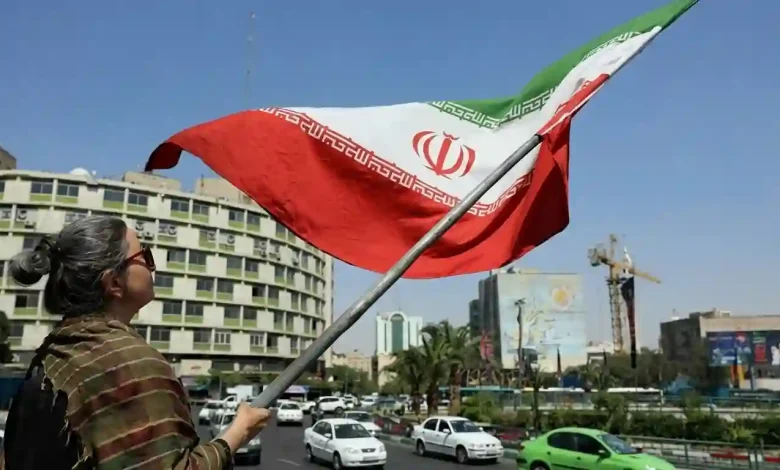
Table of Contents
Iran airstrikes pause after thirteen consecutive nights of intensive bombardment, offering a razor-thin window of opportunity for backchannel diplomacy. This operational pause comes after the United States military conducted consecutive waves of overnight airstrikes in response to escalating hostilities in the Persian Gulf. Tensions reached a boiling point on July 11, 2026, when the Islamic Revolutionary Guard Corps (IRGC) targeted several commercial oil tankers trying to transit the vital Strait of Hormuz. In retaliation, the United States launched a series of precise, punishing air campaigns that severely disrupted regional infrastructure and military command centers, with US airstrikes hitting Iranian positions for a 13th night before the current operational pause took effect.
Iran:The Catalyst of Confrontation
The root of this rapid escalation traces back to mid-July, when commercial shipping channels became an active warzone. The Strait of Hormuz, a critical chokepoint through which approximately one-fifth of the world’s petroleum passes, became the staging ground for aggressive maneuvers by the IRGC. Citing territorial sovereignty and protesting Western-backed economic sanctions, Iranian forces targeted maritime assets, causing widespread panic in global energy markets. The immediate response from Washington was both swift and massive. President Biden authorized a series of overnight aerial bombardments aimed at degrading the IRGC’s coastal defense installations, radar sites, and missile storage units. As the campaign entered its second week, the U.S.-Iran conflict escalated significantly, pushing the region closer to an all-out war than it has been in decades. Each night, strategic bombers and naval assets launched guided munitions at sensitive military nodes, testing the limits of Iran’s air defense capabilities.
Iran:The Breakdown of the June Interim Peace Agreement
Only weeks prior to this outbreak of violence, there had been a glimmer of diplomatic hope. In June, negotiators from both nations signed a fragile interim peace agreement designed to freeze enrichment activities and ease crippling sanctions. It was hoped that this temporary framework would pave the way for a more comprehensive and permanent treaty. However, the subsequent naval skirmishes and heavy airstrikes led both Washington and Tehran to declare the June agreement officially dead. High-ranking officials on both sides announced that the second phase of talks, which aimed to finalize a permanent resolution, had collapsed entirely. With trust completely eroded, the prospect of a diplomatic breakthrough seemed doomed. The rapid transition from diplomatic optimism to kinetic warfare highlights the deep-seated instability of Middle Eastern security frameworks and the ease with which local incidents can dismantle months of rigorous diplomatic labor.
Diplomatic Backchannels: Are Washington and Tehran Still Talking?
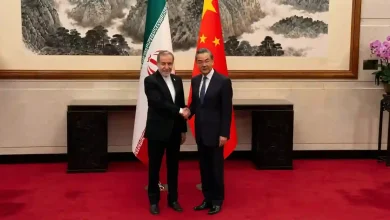
Despite the aggressive rhetoric, the sudden silence of American bombers since Friday has raised critical questions. Analysts are closely examining this operational lull to determine if it signifies a tactical realignment or a quiet return to the negotiating table. Emerging intelligence suggests that while public statements remain hostile, private backchannel discussions continue through neutral intermediaries. Diplomatic hubs in Muscat and Doha are reportedly operating at high capacity, passing non-papers and strategic proposals between the state departments of both nations. While a comprehensive peace deal is highly unlikely in the near term, there is a mutual interest in preventing a regional conflagration that neither economy can comfortably sustain. Whether these secret exchanges can translate into a formal ceasefire remains to be seen, but they represent the only viable alternative to a catastrophic escalation.
Military Adaptations and Retaliatory Dynamics
The military dimension of this conflict is characterized by rapid adaptation. Recognizing the overwhelming aerial superiority of the United States and its allies, the Iranian military has adjusted its tactical approach. Instead of directly confronting American fighter jets, the IRGC has utilized asymmetric warfare strategies, including Iran’s retaliatory strikes across the Gulf. These counter-strikes targeted regional energy infrastructure and logistical hubs, demonstrating Iran’s ability to project power despite receiving heavy aerial bombardment. Furthermore, Iranian defense engineers have been actively adapting ballistic missiles to evade interceptors deployed by U.S. and allied naval vessels. This technological arms race has complicated defensive calculations for the Pentagon, as newer missile variants feature sophisticated decoy systems and low-altitude maneuverability, increasing the risk of a successful strike on high-value coalition targets.
Global Maritime and Geopolitical Cascades
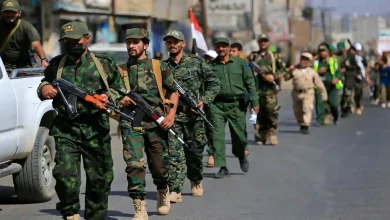
The geopolitical shockwaves of this localized conflict are being felt far beyond the Persian Gulf. In particular, the Bab-el-Mandeb Strait and the Red Sea have seen a dramatic rise in hostile actions. Pro-Iranian militant groups, emboldened by Tehran’s defiance, have ramped up their operations, contributing to an escalating Red Sea shipping crisis. Commercial liners are forced to make difficult and expensive decisions, with many opting to bypass the Suez Canal entirely. Instead, vessels are undertaking the lengthy detour around the Cape of Good Hope, adding thousands of miles and weeks of travel time to global supply chains. This maritime disruption has driven up shipping container rates and threatened to reignite inflationary pressures in Europe and North America, illustrating how quickly a crisis in the Middle East can ripple through the global economy.
Economic Aftershocks: Oil and Retail Energy Impacts
The economic consequences of the conflict have been immediate and painful for consumers worldwide. With the Strait of Hormuz actively contested, energy traders immediately priced in a massive risk premium. The market reacted violently to the outbreak of hostilities, resulting in crude oil prices spiking over $100 per barrel. This surge in raw material costs quickly trickled down to retail consumers, with average gasoline prices climbing above $4 a gallon across the United States. Economic planners fear that if a durable ceasefire is not established soon, sustained high energy costs could damp consumer spending and trigger a broader economic slowdown, complicating central bank efforts to maintain stable growth and low inflation.
Strategic Costs and US Military Readiness
Maintaining a high-tempo military campaign over two weeks also imposes severe logistical and financial strains on the United States. The deployment of carrier strike groups, continuous combat air patrols, and the consumption of precision-guided munitions require vast financial resources. Recent reports indicate that these operations are stretching defense budgets thin, with the Defense Department running low on operational funds allocated for overseas contingencies. This fiscal strain forces tough decisions in Washington, as lawmakers must debate supplemental defense spending packages at a time of domestic political polarization, highlighting the long-term sustainability challenges of projecting military power abroad.
Historical Comparisons and Strategic Scenarios
To understand the current situation, it is useful to compare this conflict with previous major standoffs in the Persian Gulf. The table below outlines how the current 2026 crisis compares to historic escalations in terms of intensity, diplomatic mechanisms, and global economic fallout.
| Crisis Event | Key Trigger | Diplomatic Mechanism | Economic Impact |
|---|---|---|---|
| Tanker War (1980s) | Iraq-Iran Maritime Attacks | UN Resolution 598 | Moderate Oil Price Spikes |
| 2019 Gulf Standoff | Abqaiq-Khurais Attacks | Backchannel Swiss Embassy | Brief 15% Crude Spike |
| 2026 Conflict | IRGC Hormuz Transit Attacks | June Interim Agreement (Collapsed) | Crude Exceeds $100, High Inflation |
This comparative framework demonstrates that the 2026 escalation is significantly more intense and economically disruptive than previous iterations, primarily due to the collapse of established diplomatic frameworks and the high sophistication of modern asymmetric weaponry.
The Path Forward: Fragile Truce or Permanent Friction?
As the international community holds its breath during this temporary pause in US airstrikes, two distinct pathways emerge. The optimistic scenario involves mediators successfully leveraging the lull to establish a formalized ceasefire, allowing both nations to save face and slowly reconstruct the shattered June agreement. Conversely, the pessimistic scenario views the current pause as merely a tactical intermission, during which both forces are replenishing their supplies, repairing defenses, and preparing for an even more destructive second phase of conflict. Given the deep ideological divides and the severe regional consequences already set in motion, achieving lasting stability will require extraordinary diplomatic skill, mutual concessions, and a shared commitment to maritime security.