Strait of Hormuz Tanker Disruptions and Rising Oil Prices 2026
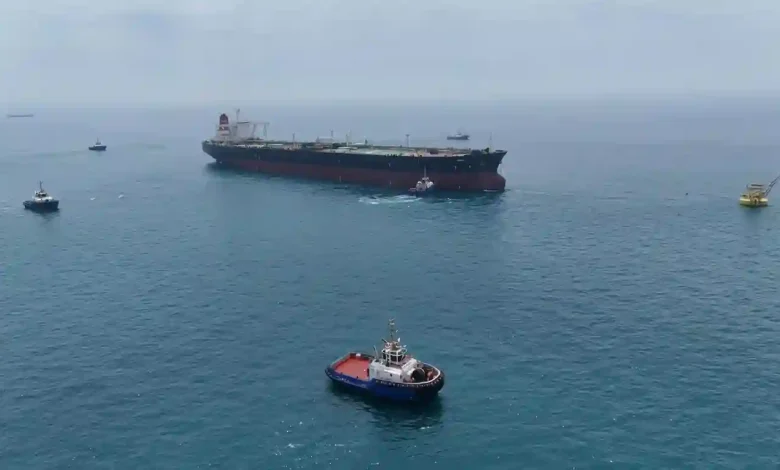
Table of Contents
Strait of Hormuz vessel disruptions and declining shipping flows continue to support crude oil prices as global energy markets pivot to hard tracking data. For months, the persistent geopolitical volatility in the Middle East kept traders on high alert, pricing in speculative risk premiums based on political statements and military posturing. However, recent movements on the water indicate that financial markets are moving past speculation, choosing instead to focus on the tangible reality of maritime transport volume. When shipping channels constrict, the direct physical reduction in crude oil supply exerts immediate upward pressure on benchmarks like Brent and West Texas Intermediate (WTI).
Market Reactions and the Influence of Low Shipping Flows
In late July, as the Strait of Hormuz conflict escalates, maritime insurers and global logistics firms have had to recalculate their risk variables. ‘Iranian media outlets claim that some tankers were forced to turn around, so… still low flows of vessels crossing the Strait has supported prices,’ said Giovanni Staunovo, a prominent commodity analyst at UBS. This assessment underscores a fundamental shift in how Wall Street and international energy hubs digest conflict. While threat assessments once triggered temporary, volatile spikes in oil futures, the current sustained price support is rooted in empirical scarcity. When physical tankers are forced to halt or alter their courses, the actual barrel-per-day volume reaching refineries decreases, leaving buyers with fewer near-term options.
Furthermore, the physical reality of these low vessel flows has prevented crude prices from falling back to their baseline levels. Traders are no longer satisfied with diplomatic assurances or ceasefire headlines. Instead, they are monitoring real-time transits. Even as the US completes 10th night of strikes, the kinetic impact on trade infrastructure has been highly localized but deeply symbolic. Insurance risk premiums for shipping companies navigating the Persian Gulf have surged, making each transit a calculated gamble. This high-cost environment directly affects the marginal pricing of crude, ensuring that the supply-side pressure remains structural rather than purely psychological.
Analyzing the IRGC Interventions and Tanker Reroutings
Recent security reports highlight the active role played by regional state actors in altering commercial shipping patterns. Iran’s Revolutionary Guards (IRGC) stopped two tankers from transiting the Strait of Hormuz, while four other vessels abruptly changed course, according to state-backed Fars news agency. These maneuvers demonstrate Tehran’s continued leverage over the waterway. Although there were momentary hopes that a direct military assault against Iran plans set aside would lower trading volumes of wartime risk, shipping realities on the water tell a far more complex story. The IRGC’s selective interdiction of maritime traffic is designed to project strength without triggering a broader conventional confrontation, yet its impact on the energy market is immediate.
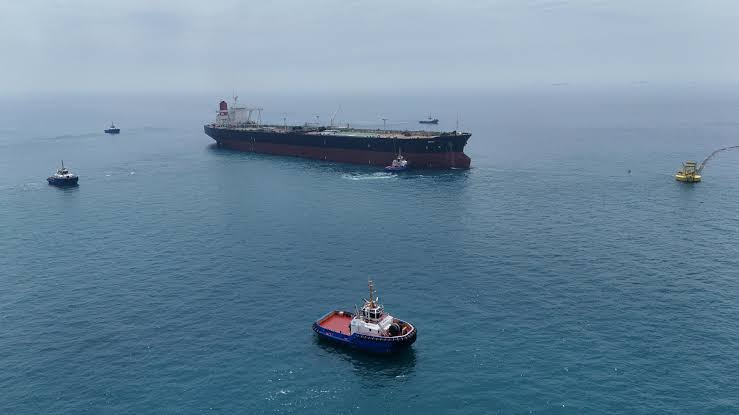
Despite these hostile interruptions, some maritime activity continues, albeit in a restricted capacity. Kpler ship-tracking data showed that two very large crude carriers (VLCC) carrying oil loaded from the Gulf did manage to exit the strait on Friday. These massive vessels, capable of transporting millions of barrels of crude apiece, represent critical lifelines for global energy consumers. However, their successful exit does not hide the broader reality: overall traffic through the waterway remains thin. The presence of just a few isolated VLCC transits confirms that while a complete blockade has not occurred, the operational efficiency of the Strait of Hormuz is severely compromised, keeping risk premiums elevated.
From Trading War to Trading Shipping Data
This divergence between military posturing and actual shipping activity has altered trading desks’ methodologies globally. ‘The market has stopped trading the war and started trading the shipping data,’ observed Ole Hvalbye, a respected market analyst at SEB Research. In the early stages of regional friction, every missile launch and political speech moved the needle for Brent and WTI futures. Today, algorithmic trading models and human portfolio managers alike are ignoring the rhetorical noise in favor of hard satellite and transponder telemetry. This shift in focus has been particularly stark during brief windows where US-Iran hostilities ease, only to be followed by renewed maritime standoffs.
By prioritizing telemetry over rhetoric, market participants are attempting to strip out emotional volatility from pricing models. If a satellite tracker shows that tankers are actively turning around or lingering in safe ports, prices adjust upward immediately. Conversely, if shipping corridors remain open and unmolested, prices stabilize even in the face of fiery political declarations. This quantitative approach highlights the mature, albeit highly defensive, nature of the current commodities market, where physical supply constraints dictate financial value far more than speculative anxiety.
Chokepoint Comparison: Strait of Hormuz vs. Bab el-Mandeb
To understand the full scope of maritime disruption, analysts must compare the Strait of Hormuz with other regional maritime choke points, particularly the Bab el-Mandeb strait. On Thursday, Kpler ship-tracking data recorded 29 commodities vessels passing successfully through the Bab el-Mandeb. While this suggests a moderate level of operational normalcy in the southern Red Sea, the situation remains highly fragile. Unlike the Strait of Hormuz, which is directly controlled by Iranian coastal assets, the Bab el-Mandeb is vulnerable to non-state actors operating along the Yemeni coast. This differentiation changes the strategic calculus for shipping consortiums deciding on trade routes.
The contrasting vessel volumes between these two vital straits illustrate a fragmented global supply chain. While Bab el-Mandeb managed to handle nearly thirty vessels in a single day, the Strait of Hormuz saw its traffic drop to historic lows, with only a few isolated VLCCs breaking through the stagnation. The vulnerability of these dual choke points means that any simultaneous disruption could effectively isolate major Middle Eastern producers from European and Asian markets, creating a severe structural deficit in global energy availability.
Bilateral Diplomacy: The Iran-Oman Straits Dispute
Behind the physical confrontations on the high seas, intense diplomatic maneuvering continues behind closed doors. Talks between Iran and Oman regarding the management of the Strait of Hormuz remain active, according to report details from the Iranian Labour News Agency. Oman, which shares the strategic waterway and has historically acted as a diplomatic bridge between Tehran and Western powers, has proposed a joint management framework. This proposal is intended to establish standardized security protocols, reduce unannounced interdictions, and restore confidence among international shipping companies. However, achieving a consensus remains a major challenge.
Tehran’s response to Omani mediation has been rigid, with Iranian officials explicitly rejecting Muscat’s proposal for joint management of the waterway. Iran insists on maintaining unilateral authority over its territorial waters and the northern transit lanes of the strait, viewing Omani joint sovereignty proposals as an unnecessary dilution of its sovereign security rights. This diplomatic impasse ensures that the governance of the strait remains volatile, with no collaborative legal framework to prevent future unilateral seizures or inspections by the IRGC.
Strategic and Financial Toll on Global Security
The geopolitical impasse in the Middle East has exacted a tremendous economic toll on all involved nations, particularly the United States and its allies. With the Pentagon acknowledging that the war with Iran costs have topped billions of dollars, defense analysts are scrutinizing the long-term sustainability of keeping these sea lanes open under constant threat. Deploying carrier strike groups, maintaining continuous aerial surveillance, and escorting commercial vessels through high-risk zones requires an enormous allocation of naval assets and fiscal resources. These mounting costs have sparked fierce domestic debate over the extent of foreign military commitments.
Indeed, after CENTCOM strikes on Iran enter ninth consecutive evening of intense operations, the strategic response of the IRGC shifted from retaliatory missile launches to tactical containment at sea. This asymmetric response shows that despite superior Western military force, localized disruption of energy flows remains Iran’s most potent deterrent. The financial strain on Western coalitions is compounded by rising commercial shipping insurance rates, creating a dual-layer economic burden that threatens to disrupt global inflation targets.
Future Energy Outlook and Structural Market Risks
The persistence of the Iran-US conflict has forced major oil consumers to seek alternative pathways, yet very few options match the sheer capacity of the Arabian Gulf export lanes. Land-based pipelines through Saudi Arabia and Turkey exist, but their throughput limits are insufficient to fully offset a long-term closure of the Strait of Hormuz. Consequently, the energy market must learn to operate in a state of permanent vigilance, where shipping volumes are continuously reassessed based on daily transits rather than seasonal demand cycles. This structural shift has permanently altered commodity investment strategies.
Amidst active fighting between the United States and Iran, regional diplomacy remains the final buffer against a total cessation of trade. While a full-scale diplomatic resolution seems distant, incremental agreements regarding non-targeted commercial shipping could provide the stability the market desperately needs. Until such guarantees are realized, the price of crude will remain anchored to the real-time shipping data, turning every transponder ping in the Strait of Hormuz into a critical financial signal.
Maritime Chokepoints and Vessel Transit Summary
To provide a clear, empirical overview of the current maritime landscape, the table below outlines the key operational parameters, observed flows, and strategic risks associated with the region’s primary maritime energy corridors.
| Chokepoint | Key Control Authority | Daily Normal Volume (Pre-War) | Recent 24-Hour Observed Flows | Strategic Risk Level |
|---|---|---|---|---|
| Strait of Hormuz | Iran / Oman (Joint Territorial Waters) | ~20.5 Million Barrels/Day | Extremely Thin (Isolated VLCCs) | Critical |
| Bab el-Mandeb | Yemen / Djibouti / Eritrea | ~6.2 Million Barrels/Day | 29 Commodities Vessels (Thursday) | High |
| Suez Canal | Egypt (Suez Canal Authority) | ~9.0 Million Barrels/Day | Moderate (Impacted by Regional Drone Threats) | High |
Authority Citations
- Strait of Hormuz Overview – Wikipedia
- <a href=”https://www.eia.gov” target=”_blank