Iran War Day 153: Escalation and Strait of Hormuz Crisis
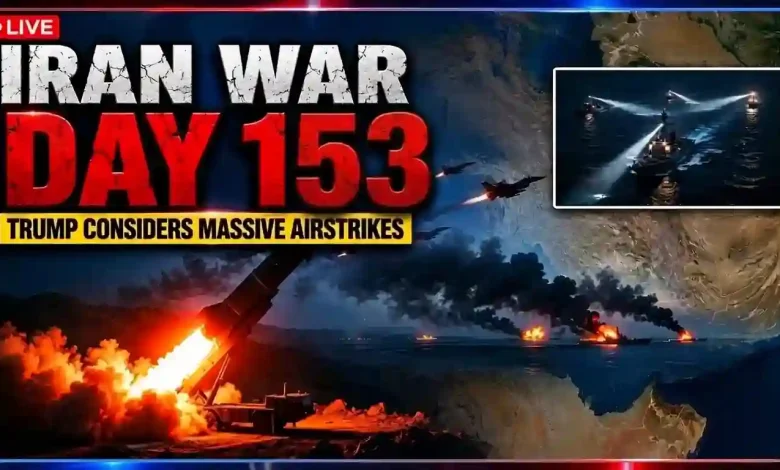
Table of Contents
Iran is currently at the center of an intensifying global security crisis as the conflict enters its 153rd day. What began as localized skirmishes has now transformed into a full-scale multi-front war with profound implications for regional stability, global maritime security, and international energy markets. In the days leading up to this point, the timeline of hostilities has seen strategic milestones, including the iran war entering day 149 and the crucial shifts observed in the subsequent iran war day 151 developments. This ongoing escalation has reached a critical juncture where both offensive operations and retaliatory strikes are threatening to permanently redraw the geopolitical map of the Middle East.
Military Operations and Key Strategic Strikes
Over the past few months, military operations have transitioned from localized proxy skirmishes to direct, high-intensity confrontations. Advanced weapon systems, including hypersonic missiles, precision-guided loitering munitions, and deep-penetration drone platforms, have been extensively deployed by both sides. Defensive networks have been stretched to their limits as airstrikes target command-and-control centers, underground missile silos, and air defense batteries. In previous phases of the conflict, the White House had to manage domestic and international concerns regarding these actions, leading to situations where the official stance on us airstrikes against iran required substantial clarification to prevent a rapid, uncontrolled spiral into global war.
The tactical objectives of the offensive maneuvers have focused on degrading the offensive capabilities of opposing forces. Strategic targets in southern and western Iran have faced persistent aerial bombardment, while Iranian retaliatory assets have targeted military outposts and logistics hubs across the region. At certain intervals, these operations reached highly sensitive stages where the international community hoped for a de-escalation, prompting brief periods where airstrikes against iran paused while decision-makers debated the long-term strategic viability of further bombardment. Despite these momentary pauses, the core military infrastructure of both coalitions remains highly active and prepared for prolonged warfare.
The Strait of Hormuz: A Global Maritime and Energy Chokepoint
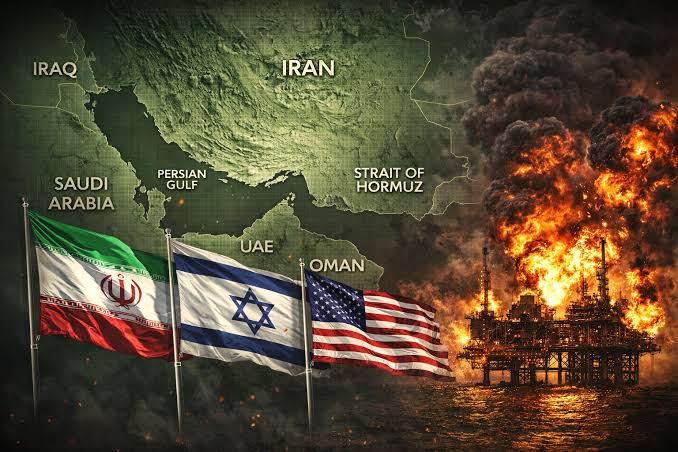
The security situation around the Strait of Hormuz remains one of the most volatile aspects of this conflict. As a narrow maritime passage separating the Persian Gulf from the Gulf of Oman, the strait represents the lifeblood of global energy distribution, carrying nearly 20% of the world’s petroleum and liquefied natural gas. Any physical blockade, maritime harassment, or kinetic strike in these waters immediately sends shockwaves through international shipping corridors. The security of this crucial waterway was severely tested during the strait of hormuz crisis at day 148, when naval forces from multiple countries engaged in defensive maneuvers to protect commercial tankers from asymmetric threats.
Maritime warfare tactics in the strait have evolved to include sea-skimming anti-ship missiles, fast-attack naval craft, and intelligence-gathering drones. Insurance premiums for maritime transport in the Persian Gulf have skyrocketed, forcing global shipping conglomerates to reroute vessels around the Cape of Good Hope, adding thousands of miles and massive operational costs to standard trade routes. The strategic leverage that control over the Strait of Hormuz provides ensures that the maritime theater remains a high-priority target for both the Iranian military commands and allied international naval task forces.
Economic Implications: Global Markets and Supply Chain Pressure
The economic ramifications of this prolonged war are reverberating far beyond the borders of the Middle East. With energy transit routes heavily disrupted and supply lines under constant threat of interdiction, global commodity markets have experienced unprecedented volatility. The direct iran war fallout on global economy has manifested in inflated manufacturing costs, volatile energy prices, and systemic disruptions in the global food supply chain, particularly impacting countries reliant on agricultural fertilizers and grain shipments transiting the region.
| Economic Sector | Primary Risk Factor | Global Market Impact | Mitigation Strategy |
|---|---|---|---|
| Crude Oil & Energy | Disrupted transit via Strait of Hormuz | Price spikes, structural supply shortages | Rerouting via pipeline, tapping strategic reserves |
| Maritime Shipping | Asymmetric naval warfare and high risk | Skyrocketing insurance premiums, longer routes | Naval escort operations, bypassing Persian Gulf |
| Agriculture & Fertilizer | Choked regional export facilities | Inflated food production costs, supply delays | Alternative overland trade corridors, local sourcing |
| Global Logistics | Interrupted air corridors and ports | Increased freight costs and delivery delays | Intermodal transport, regional hub diversification |
Furthermore, the economic pressure has strained regional financial markets. Currencies in the Middle East have faced sharp devaluations, and capital flight has accelerated as investors seek safer havens. The interconnectedness of modern supply chains means that a bottleneck in the Persian Gulf inevitably translates to higher consumer prices in Europe, Asia, and North America, creating a complex web of economic challenges that world leaders are struggling to address.
The Diplomatic Front: Ceasefire Demands and Escalation Risks
On the diplomatic front, international mediators have been working tirelessly to negotiate a sustainable ceasefire, though these efforts have yielded minimal progress due to the deeply entrenched positions of the belligerents. The geopolitical friction of the iran us conflict escalation has made direct communications nearly impossible, forcing neutral regional intermediaries to rely on backchannel diplomacy. While brief humanitarian pauses have been proposed, both sides remain deeply skeptical of the other’s long-term intentions, viewing temporary ceasefires as opportunities for opponents to regroup and rearm.
The United Nations and various international coalitions have drafted multiple resolutions aiming to establish demilitarized zones around key shipping lanes and civilian infrastructure. However, geopolitical vetoes and mutual distrust have consistently stymied these legislative efforts. The diplomatic impasse is further complicated by the domestic political pressures faced by leadership on all sides, where any perceived concession is framed as political weakness, thereby incentivizing a continued posture of strength and deterrence over compromise.
Regional Dynamics and Proxy Alliances
The multi-layered nature of the war is further amplified by the active participation of various regional actors and proxy forces. Networks of aligned militant groups across Iraq, Syria, Lebanon, and Yemen have coordinated their operations to pressure allied forces on multiple fronts. In particular, the tehran-backed houthi forces have launched coordinated drone and ballistic missile attacks against strategic targets, dramatically expanding the geographic scope of the conflict. This network of asymmetric partners allows for a strategy of plausible deniability while maximizing kinetic disruption across key logistics corridors.
Opposing coalitions have responded by conducting targeted defensive strikes to neutralize these launch sites and degrade their command centers. The regional polarization has forced neighboring countries to walk a fine diplomatic line, balancing their domestic security interests with the economic necessity of maintaining stable relations with global trade partners. This fragile balance of power remains susceptible to miscalculations, where a single errant strike could easily draw previously neutral nations into the active combat zone.
The Uncertain Road Ahead: Strategic Forecasts and Potential Scenarios
As the war passes the 153-day mark, the trajectory of the conflict remains highly uncertain with no clear end in sight. Military strategists point to three potential long-term scenarios: a protracted war of attrition that gradually exhausts both sides, a sudden escalation into an unconstrained regional conflict involving global superpowers, or a breakthrough in backchannel diplomacy leading to a heavily supervised armistice. The sheer complexity of the geopolitical, economic, and military factors at play suggests that any resolution will require extensive concessions and robust international guarantees.
Until a diplomatic breakthrough is achieved, the security situation in the Middle East will continue to dictate the pulse of global energy markets and international security policies. The international community must remain vigilant, active, and prepared to adapt to the rapidly shifting realities of this historic conflict, recognizing that the consequences of this war will shape the global geopolitical landscape for decades to come.