Iran War Day 154: Strategic Pause Offers Diplomatic Hope Amid Strait of Hormuz Crisis
Table of Contents
Iran enters the 154th day of a complex and highly volatile war that has disrupted global maritime trade and reshaped international security dynamics. Since the initiation of coordinated strikes on February 28, 2026, the conflict has rapidly progressed through multiple tactical phases, ranging from intense aerial bombardments to strategic maritime standoffs. In recent developments, a dramatic diplomatic shift occurred as U.S. President Donald Trump announced the suspension of scheduled large-scale airstrikes, indicating a potential opening for a comprehensive regional agreement. As this historic milestone transitions from the tense developments of Iran war day 153 to the diplomatic maneuvers of Day 154, both regional powers and international observers are assessing the long-term viability of this sudden pause in hostilities. The conflict’s overall trajectory has highlighted the fragility of global shipping corridors and demonstrated the profound military capabilities of modern asymmetric warfare, leaving the international community searching for a sustainable framework to prevent further escalation.
The Strait of Hormuz: A Vital Energy Chokepoint in Crisis
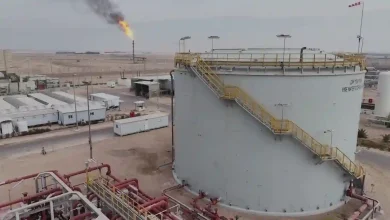
The most critical geographic element of this multi-month military confrontation is the Strait of Hormuz, a narrow waterway connecting the Persian Gulf with the Gulf of Oman and the Arabian Sea. Geopolitically positioned between Iran and Oman, this channel serves as the primary gateway for crude oil and liquefied natural gas (LNG) exported by major Middle Eastern producers, including Saudi Arabia, Iraq, Kuwait, Qatar, and the United Arab Emirates. According to data provided by the U.S. Energy Information Administration, more than one-fifth of global oil transit and liquefied natural gas shipments rely entirely on safe passage through this narrow chokepoint. Throughout the 2026 hostilities, the persistent threat of a strait of Hormuz tanker seizure or attack has loomed large over the shipping industry, causing maritime traffic to plummet by nearly thirty percent during the first half of the year. This sharp decline in active shipping lanes has severely impacted Asian economies—most notably China, India, Japan, and South Korea—which traditionally absorb nearly eighty percent of the energy exports flowing from this critical region.
Historically, this narrow strait, which spans only twenty-one miles at its narrowest point, has been a strategic leverage point. The shipping lanes themselves are even narrower, consisting of a two-mile-wide channel for inbound transit and a two-mile-wide channel for outbound transit, separated by a two-mile-wide buffer zone. Because of this extremely constrained geography, massive Very Large Crude Carriers (VLCCs) have virtually no room to maneuver when evading hostile actions. Consequently, when regional tension escalates, shipping companies must weigh the severe risks of cargo loss and ecological disaster against the immense costs of delaying energy deliveries to global clients.
Impact on Maritime Shipping and Global Oil Flows
As maritime logistics networks scrambled to adapt to the effective closure of the Gulf transit lanes, commercial shipping corporations were forced to divert their supertankers around the Cape of Good Hope on the southern tip of Africa. While this alternative route successfully bypasses the immediate danger zones of the Middle East, it adds thousands of miles to the journey, prolongs shipping timelines by several weeks, and dramatically inflates maritime insurance premiums. The resulting supply constraints have generated severe economic ripples across global supply chains. With fewer tankers willing to navigate the high-risk zones, the overall volume of daily oil shipments transiting the strait fell from an average of over twenty million barrels per day to under fifteen million barrels per day. This unprecedented reduction in global energy distribution has caused a prolonged economic shockwave, keeping oil prices projected to climb significantly unless a durable and verifiable security agreement is reached between the primary combatants.
Furthermore, the physical disruption of LNG shipments has threatened the grid stability of key industrial nations that depend on liquefied gas for power generation. The rapid transition of trade routes to the Cape of Good Hope has not only congested South African ports but has also created a shortage of available container and dry bulk carriers worldwide, driving up spot freight rates in completely unrelated sectors. Economists warn that a prolonged closure of the strait could trigger a global inflationary cycle, reminiscent of the energy crises of the twentieth century, forcing central banks to maintain elevated interest rates to combat rising fuel-driven inflation.
Military Operations: Drone Warfare and Retaliatory Strikes
Away from the maritime corridors, the kinetic dimension of the war has been characterized by high-intensity aerial operations and sophisticated missile defense engagements. Over the course of the 154-day conflict, allied forces have launched extensive precision strike campaigns targeting strategic air defense installations, military manufacturing facilities, and missile silo networks across the country. In response, tactical command centers have leveraged a highly sophisticated arsenal of uncrewed aerial systems. The widespread integration of Iranian drones has presented a continuous challenge to conventional multi-tiered air defense arrays deployed by regional coalition partners. These loitering munitions, manufactured with low radar signatures and designed for swarm deployment, have successfully targeted vulnerable defensive perimeters and logistical infrastructure across the Gulf. At the same time, regional command groups have repeatedly demonstrated their offensive range; during several critical escalations, reports confirmed that Iran attacks U.S. bases located in Iraq, Syria, and neighboring nations, utilizing highly coordinated salvos of ballistic missiles designed to overwhelm local interceptor systems.
The strategic deployment of these uncrewed platforms has forced a reassessment of defensive doctrines worldwide. By coordinating drone strikes with cyber operations and electronic warfare, tactical units have managed to temporarily blind early-warning radar installations. These complex tactical actions have not only disrupted local military operations but have also demonstrated the high vulnerability of fixed military installations to modern, cheap, and mass-produced precision weaponry. This has forced Western military commands to rapidly relocate sensitive assets and deploy forward-operating defense systems in an attempt to mitigate the threat.
Asymmetric Strategy and Aerial Defense Challenges
This extensive reliance on uncrewed systems and tactical ballistic missiles represents a broader evolution in the doctrine of modern asymmetric warfare. Rather than attempting to match the conventional air superiority of Western forces, defensive planners have designed an defense network centered around saturating opposing radar systems. By simultaneously launching dozens of low-altitude drones and high-speed cruise missiles, they have managed to exploit the physical and economic limitations of missile interceptors like the Patriot system. The tangible outcomes of this strategic doctrine became apparent during several high-intensity exchanges when Iran strikes US assets in deep-theater operations. These targeted maneuvers not only caused temporary operational disruptions but also demonstrated that even the most technologically advanced military forces face severe logistical constraints when defending wide geographic areas against concentrated, asymmetric salvos.
From an economic standpoint, the cost-to-kill ratio of these engagements is heavily skewed in favor of the asymmetric attacker. A single long-range loitering munition may cost as little as twenty thousand dollars to manufacture, whereas a modern air defense interceptor missile can easily exceed two to three million dollars per shot. This financial disparity creates a highly unsustainable defensive equation during a prolonged war of attrition. Over time, the continuous expenditure of high-end defensive munitions threatens to deplete allied stockpiles, exposing critical infrastructure to future waves of attack and forcing commanders to make difficult decisions regarding which strategic assets to protect.
Regional Geopolitics and Diplomatic Interventions
The escalating intensity of the conflict has prompted intensive diplomatic engagements from neighboring countries and global mediators. Recognizing the catastrophic economic and humanitarian risks of an unmitigated regional war, countries such as Oman, Saudi Arabia, and Turkey have worked tirelessly to establish reliable communication channels between the opposing leadership structures. Historically, Oman has served as a critical backchannel negotiator, facilitating indirect talks even during the most severe security crises. These efforts gained significant momentum on Day 154, following public concerns raised by regional leaders regarding the devastating potential of further unilateral military escalations. The resulting diplomatic alignment represents a highly significant shift in the broader Iran-US conflict, showing that behind-the-scenes dialogue remains a powerful tool for crisis management even when public rhetoric remains highly adversarial.
Additionally, the geopolitical calculations of regional heavyweights like Saudi Arabia have evolved as the conflict progressed. While initially supportive of efforts to curtail regional influence, the direct economic fallout and the constant threat to domestic oil-producing infrastructure have led Gulf capitals to advocate for a rapid diplomatic resolution. Saudi leadership has expressed deep concern that a prolonged war of choice would undermine their ambitious long-term economic diversification initiatives. Consequently, regional diplomacy has shifted from containment to active mediation, with leaders working behind the scenes to draft a mutually acceptable framework for de-escalation.
Escalation and the Path to Dialogue
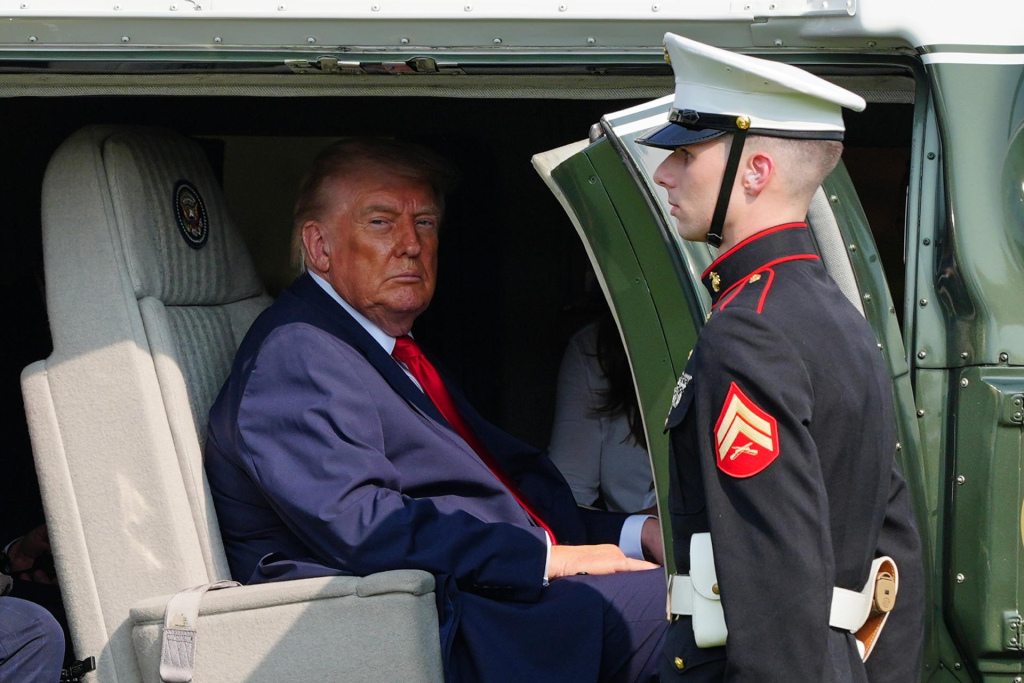
Despite the optimism surrounding the current pause in active airstrikes, seasoned geopolitical analysts caution that previous phases of this conflict have witnessed similar diplomatic openings that ultimately failed to produce a lasting ceasefire. Throughout the spring and summer of 2026, observers documented instances where the iran war conflict pauses temporarily to facilitate diplomatic posturing, only for active combat to resume once negotiators reached a stalemate over core security demands. The primary obstacles to a permanent resolution remain incredibly complex, including disputes over regional security guarantees, the legal status of international shipping lanes, and the future framework of regional nuclear development programs. Without addressing these fundamental systemic issues, any temporary suspension of kinetic activity is highly vulnerable to sudden collapse if minor border skirmishes or maritime incidents ignite renewed hostilities.
Furthermore, internal political pressures within both Washington and Tehran continue to constrain the flexibility of negotiators. Hardline factions on both sides view any compromise as a sign of weakness, creating significant domestic political risks for leadership figures attempting to broker a deal. As a result, diplomats must walk an extremely narrow tightrope, attempting to formulate terms that provide tangible security guarantees while allowing both sides to claim strategic victories to their respective domestic audiences.
Summary of Key Conflict Indicators
The ongoing friction has affected multiple dimensions of global security and economics. The following table provides a comprehensive overview of the primary strategic areas of concern and their current status on the 154th day of the conflict:
| Strategic Area | Day 154 Current Status | Primary Strategic Implications |
|---|---|---|
| Strait of Hormuz Shipping | Partially blocked; maritime traffic down by approximately 30%. | Significant delays in oil and LNG exports; rising transport insurance premiums globally. |
| Military Engagements | Tactical pause announced by U.S. administration; drone and rocket alerts remain active. | Temporary relief from major aerial campaigns; high risk of localized flare-ups. |
| Asymmetric Technology | Widespread utilization of long-range drones and ballistic missile salvos. | Challenges to Western air defense systems; showcases shifting tactics in modern warfare. |
| Diplomatic Channels | Oman-mediated backchannels active; regional leaders pushing for rapid ceasefire framework. | Potential transition from kinetic conflict to structural diplomatic negotiations. |
| Global Energy Markets | Elevated volatility; commercial routes diverted around Cape of Good Hope. | Sustained pressure on Asian and European economies relying on Persian Gulf crude. |
Long-Term Outlook and Regional Repercussions
As the conflict reaches this critical 154-day juncture, the future of the Middle East remains deeply uncertain. The unprecedented disruption of the global oil transit system has forced international energy markets to reconsider their long-term reliance on narrow maritime chokepoints, accelerating investments in alternative energy sources and cross-continental pipelines. Furthermore, the tactical lessons of this war will undoubtedly influence global military doctrines for decades to come, proving that modern asymmetric weapon systems can successfully challenge traditional conventional forces in a high-stakes arena. Whether the current diplomatic window leads to a comprehensive regional settlement or simply serves as a brief pause before a more devastating phase of military escalation remains to be seen. What is clear is that the geopolitical architecture of the region has been permanently altered, and the resolution of this conflict will shape international security, trade, and diplomacy for a generation.