U.S.-Iran conflict pause 2026: Trump Halts Strikes for Diplomacy
Table of Contents
U.S.-Iran conflict pause has emerged as a critical inflection point in the geopolitical landscape of the Middle East, bringing a tentative halt to a nearly two-week cycle of heavy bombardment that threatened to plunge the Persian Gulf into an all-out war. After thirteen consecutive nights of intense, targeted air raids conducted by the United States military against Iranian military coastal zones and support infrastructure, a quiet weekend has taken hold, catching international observers by surprise. This unexpected cessation of hostilities represents a highly calculated pause rather than a formal truce. Earlier in July, the U.S.-Iran conflict escalates after 13th night of continuous bombardment, forcing both powers to evaluate the sustainability of their respective campaigns. However, for the last three consecutive nights, neither Washington nor Tehran has launched any offensive maneuvers against the other. According to an official military spokesperson speaking on Iranian state television on Sunday, Iran’s armed forces have chosen to match the American halt, adopting a reciprocal stance of holding their fire. Analysts warn that this operational pause is highly tactical, but it represents the first substantive effort to step back from the precipice since the June ceasefire began to unravel under the weight of maritime disputes and proxy activities.
Introduction to the De-escalation Window
The sudden quiet in the skies over the Persian Gulf has provided a fragile diplomatic window for regional and international actors. For weeks, the threat of an uncontrolled regional conflict loomed large, but the decision by both the United States and Iran to halt direct military engagements has offered a temporary respite. This pause is not an agreement, but rather a functional, reciprocal operational hold. While military assets on both sides remain fully prepared for combat, the lack of immediate airstrikes has allowed backchannel diplomacy to resume. Observers are cautiously analyzing whether this moment can be leveraged into a more durable security arrangement or if it is merely the quiet before a much larger storm.
The Catalyst: Two Weeks of Intense Coastal Bombardment
The immediate trigger for this month’s severe escalation was Iran’s aggressive decision to fire upon commercial vessels and tankers attempting to navigate the strategic waters of the Persian Gulf. In response to these direct maritime security threats, the United States launched a series of daily aerial and missile assaults designed to systematically dismantle Iran’s coastal defense infrastructure. Before the current lull, the U.S. airstrikes against Iran enter 13th night of continuous bombardment, focusing heavily on radar installations, anti-ship missile sites, and drone launch pads along the southern coast. These strikes aimed to degrade Tehran’s capability to enforce its unilateral closure of the sea lanes. While the Pentagon succeeded in neutralizing several key batteries, the intensive campaign severely strained local military assets and heightened the risk of a broader conflict. As the geographic scope of the engagements threatened to spread inland, domestic and international pressure mounted on the White House to find a diplomatic off-ramp, lest the entire Middle East slide into a state of total war. Military experts note that while tactical objectives were achieved, the strategic situation remains unresolved, with Iran’s coastal assets only partially neutralized.
Inside the White House: Giving Talks Some Space
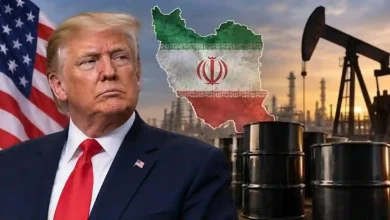
Within the Trump administration, the decision to pause the bombing was a calculated strategic gamble. Speaking on Fox News Sunday, Mike Waltz, the United States Ambassador to the United Nations, confirmed that President Donald Trump had ordered the operational halt specifically to provide diplomatic efforts with “a little bit of room” and to “give talks some space.” Waltz emphasized that while American forces in the region remain fully “locked and loaded” and are prepared to resume military actions at a moment’s notice, the administration’s preference has always been a diplomatic resolution. However, behind closed doors, reports suggest that a lively debate has emerged among key advisors. Critics within the defense establishment warned that continuing the high-intensity campaign could invite massive retaliatory actions from Iran’s regional proxies. At the same time, the broader economic fallout was becoming impossible to ignore, as sustained inflation threatens economy as war in Iran disrupts energy markets and raises shipping insurance rates to unsustainable levels. Ultimately, the decision to hold fire reflects a desire to test Tehran’s willingness to return to the negotiating table under the pressure of severe economic and military coercion, demonstrating the administration’s willingness to blend hard power with strategic diplomatic flexibility.
The Crucial Geopolitical Choke Point: Strait of Hormuz
The center of gravity in this conflict remains the Strait of Hormuz, a narrow waterway through which approximately 20 to 25 percent of the world’s daily seaborne petroleum passes. When Iran began blockading the channel and targeting merchant vessels, it effectively held the global economy hostage. This ongoing Strait of Hormuz crisis has caused unprecedented panic among energy traders and international logistics firms. The closure of the strait stranded thousands of seafarers and forced shipping companies to reroute vessels around the Cape of Good Hope, adding immense time and cost to global supply chains. As the U.S. sought to break the blockade, the military situation grew exceedingly complex. While some advisors argued for a decisive campaign, the reality on the ground showed that a protracted struggle would only prolong the economic pain. Consequently, during high-level meetings where the White House debates escalation, the administration began prioritizing international partnerships to establish a maritime coalition capable of securing the waterway without triggering a direct invasion of the Iranian mainland. Diplomatic efforts in London are currently underway to formalize this coalition, adding another layer of pressure on Tehran.
Key Metrics of the Recent Escalation
To contextualize the scale of this confrontation, the table below highlights the critical dimensions of the conflict, comparing the military, economic, and logistical aspects of the confrontation up to the current pause.
| Dimension | United States & Allies Position | Islamic Republic of Iran Position |
|---|---|---|
| Military Strategy | Thirteen nights of precise coastal and radar strikes to degrade launch systems. | Asymmetrical proxy attacks, naval mining, and drone strikes targeting shipping. |
| Primary Objective | Enforce freedom of navigation and reopen the Strait of Hormuz. | Levy geopolitical pressure to lift sanctions and assert regional dominance. |
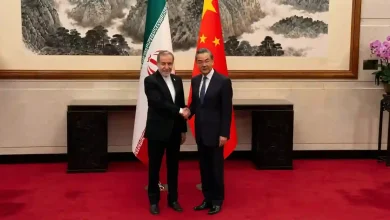
| Diplomatic Channel | Indirect talks mediated by Oman and backchannel UN diplomacy. | Refusal of direct U.S. talks; heavy reliance on Omani technical mediation. |
| Economic Impact | Significant market fluctuation, Brent crude spiking to $100/barrel, rising inflation. | Severe economic isolation, blockaded merchant vessels, and currency volatility. |
This comparative data illustrates how quickly a localized maritime dispute can transform into a systemic global crisis, prompting the administration to reconsider its military options. It was during these intense discussions that Trump considers massive strikes but ultimately chose to freeze offensive actions to gauge the diplomatic climate and determine if Tehran was willing to make meaningful concessions.
Stockpile Under Strain: The Interceptor Debate
One of the most pressing questions raised by military experts and journalists is the sustainability of the American air defense umbrella in the Middle East. Media reports from major outlets like the New York Times and CNN suggested that several senior Pentagon officials, including Chief of Staff Dan Caine, had raised concerns that the continuous deployment of Patriot and SM-6 interceptors was dangerously depleting U.S. stockpiles. These interceptors are vital for protecting American bases and allied shipping from Iranian ballistic missiles and one-way attack drones. Although Ambassador Mike Waltz dismissed these concerns on Fox News—asserting that the military has all the resources it needs—independent defense analysts remain skeptical. They point out that defense manufacturing lines are already under strain from multiple global commitments. In a scenario where US missile strikes in Iran expand to include deep-inland strategic sites like Tabriz, the demand for interceptors would rise exponentially, potentially exposing regional assets to catastrophic counterattacks. The balance between maintaining deterrence and conserving critical defense stocks is a key factor in the administration’s tactical decision to pause current operations.
Regional Blowback: High-Stakes Attacks in Iraq and Jordan
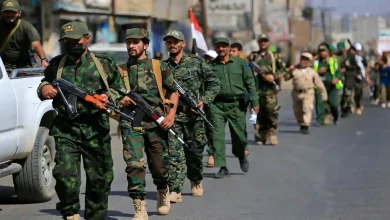
The pause in hostilities also serves as a reaction to the mounting human cost of the conflict. In the days leading up to the quiet, Tehran-backed militia groups launched a series of lethal drone and rocket attacks targeting regional bases hosting American forces. The most severe of these incidents occurred in Jordan, where a drone strike killed three U.S. service members, and in Iraq, where another attack claimed the life of another military personnel. These casualties escalated political pressure on President Trump to deliver a devastating response. At the same time, the U.S. Navy maintained a strict maritime exclusion zone, enforcing a U.S. blockade on Iran merchant vessel transit to cut off Tehran’s illicit trade and supply lines. The combination of proxy attacks on land and blockade operations at sea created a highly explosive environment, forcing military planners to recognize that every strike on Iranian territory carried the potential to trigger deadly retaliations against vulnerable forward positions across the Middle East. This grim reality has made the search for a diplomatic resolution all the more urgent for both regional and international stakeholders.
Economic Relief: Global Markets Respond to the Quiet
The immediate benefit of the two-night pause has been felt in global financial and energy markets. Upon news of the halt in airstrikes, Brent crude prices—which had spiked to a staggering $100 per barrel last week—plummeted by nearly 7 percent, settling around $85. World stock indices, including Germany’s DAX and the S&P 500, immediately surged as investors breathed a sigh of relief. This rapid stabilization proves how deeply tied the global economy is to the stability of the Persian Gulf. However, financial analysts warn that this relief is fragile. If talks collapse and the U.S. resumes its intensive bombing of coastal installations, energy prices are expected to skyrocket once again, threatening to ignite a global inflationary spiral that would challenge central banks worldwide. The temporary market calm offers a brief window of stability, but long-term economic planning remains heavily dependent on whether diplomatic channels can secure a permanent solution for maritime traffic in the region.
The Road Ahead: Technical Negotiations and Oman’s Mediation
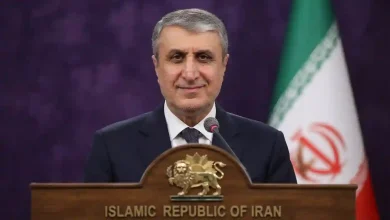
As the guns fall silent, the focus shifts entirely to the diplomatic backchannels. While Iran’s Foreign Ministry spokesperson, Esmaeil Baqaei, denied having direct, face-to-face negotiations with the United States, Tehran did confirm that intense technical discussions are underway with Omani mediators. These talks, hosted in Tehran, are focused on establishing a sustainable mechanism for managing maritime traffic through the Strait of Hormuz. Oman has historically served as a critical diplomatic bridge between the West and the Islamic Republic, and its role is more vital now than ever. Whether these technical talks can yield a durable compromise remains to be seen, but the current pause demonstrates that both sides recognize the catastrophic cost of a total war and are willing, if only temporarily, to give peace a chance. International observers remain cautiously hopeful that this diplomatic opening can be expanded into a broader regional framework, but they caution that the peace remains highly fragile and could shatter with a single miscalculation from either side.