U.S. blockade on Iran: Merchant Vessel Fired Upon in Gulf
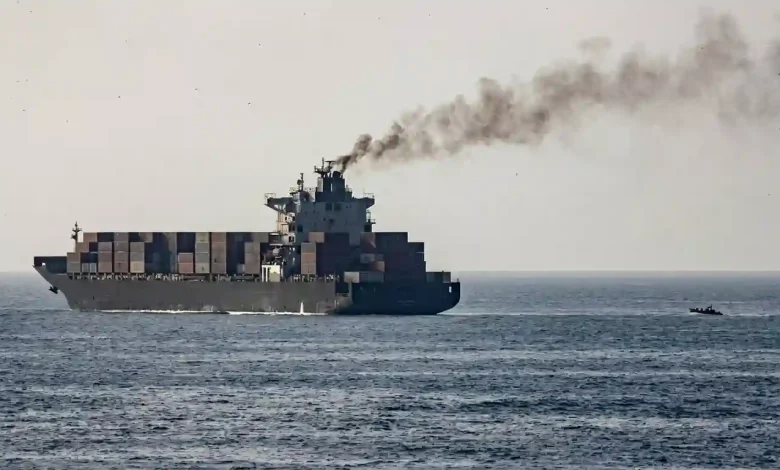
Table of Contents
U.S. blockade on Iran operations reached a critical and dangerous turning point on Friday night as naval assets engaged directly with commercial traffic in the Persian Gulf. This rapid deterioration marks the thirteenth consecutive night of heavy military exchanges in the region, completely shattering any lingering hopes of a near-term diplomatic resolution. As the geopolitically vital waterway turns into an active combat theater, the U.S. blockade on Iran has effectively transformed the regional security architecture, drawing in regional states and driving global energy markets into unprecedented volatility.
Following a series of intense exchanges over the last fortnight, the regional warfare showed zero signs of cooling. Indeed, prior to this Friday night escalation, the world watched as the preceding Iran airstrikes enter 12th night of combat, laying the groundwork for the highly volatile theater that unfolded under the cover of darkness. The latest operations involved multi-directional threats, with U.S. naval units firing warning and direct disabling shots at non-compliant shipping, while Iranian missile batteries targeted American installations on the opposite side of the Gulf.
Introduction: Friday Night Escalation in the Persian Gulf
The situation in the Middle East has entered a highly dangerous phase as direct confrontations spill over from military assets to commercial maritime routes. Observers note that the military tactics deployed on Friday night reflect a strategic pivot toward total economic and physical interdiction. While the United States and its coalition partners seek to completely sever Iran’s sea-based import and export capabilities, Tehran has demonstrated its willingness to absorb strikes while projecting lethal force back toward key American hubs across the region.
This ongoing conflict has quickly expanded beyond a localized territorial dispute, developing into a systematic confrontation that threatens to redraw the logistical maps of the modern world. With regional powers adjusting their military postures hourly, the threat of an unchecked regional escalation is at its highest point since the outbreak of hostilities.
The Blockade Breach: Merchant Vessel Fired Upon by U.S. Forces
At the heart of Friday night’s dramatic events was an unprecedented confrontation between a U.S. Navy destroyer and a non-compliant merchant vessel. According to details released by the United States Central Command (CENTCOM), the commercial freighter—suspected of carrying high-grade dual-use logistical cargo and attempting to run the embargo—ignored multiple radio warnings and tactical maneuvers from coalition forces. When the vessel continued its course toward an Iranian port in defiance of established maritime exclusions, U.S. military forces fired on the vessel to disable its propulsion systems.
This kinetic action represents the first time during the current phase of the conflict that the U.S. military has used direct force against a commercial merchant vessel attempting to bypass the maritime blockade. Naval analysts suggest that the incident marks a shift from passive containment to active, lethal enforcement of the maritime exclusion zones. CENTCOM officials defended the move as a lawful exercise of security authority under wartime maritime rules, asserting that any vessel attempting to run the blockade and replenish Iranian military caches will face immediate interdiction. Conversely, Tehran has decried the operation as an act of piracy, warning that international shipping lanes are no longer safe from unilateral American aggression.
Iran’s Retaliatory Strikes on U.S. Strongholds
In direct and immediate retaliation for the maritime engagement, Iran launched a coordinated wave of ballistic missiles and explosive drones against key American strongholds situated around the Persian Gulf. The Friday night attacks targeted heavily fortified U.S. military facilities, including naval and air assets in Bahrain and Kuwait. Air defense systems, including Patriot missile batteries, were activated across the region, lighting up the night sky as they scrambled to intercept incoming projectiles.
In tandem with the physical strikes, Iran’s Revolutionary Guard issued a stark warning, advising the civilian populations of neighboring countries to immediately distance themselves and avoid bases housing U.S. troops. This psychological and tactical maneuver is designed to pressure Gulf Arab states to deny the U.S. military the use of their territory and airspace. The Revolutionary Guard’s statement warned that any nation facilitating or hosting American hostile actions would be deemed a legitimate target for retaliatory strikes, significantly raising the geopolitical stakes for host nations like Qatar, Bahrain, and the United Arab Emirates.
The Yemen Connection: Saudi Arabia Strikes Hodeida Port
As the U.S.-Iran confrontation expanded in the Persian Gulf, a secondary but equally dangerous front opened up along the Red Sea corridor. Saudi Arabian forces launched heavy airstrikes against the key Yemeni port city of Hodeida, targeting naval facilities, drone launch pads, and logistical warehouses controlled by Houthi rebels. The offensive represents a major intervention by Riyadh to protect critical shipping lanes adjacent to the Arabian Peninsula.
The strikes on Hodeida come in response to growing threats from Houthi forces, who have actively sought to blockade Saudi ships and disrupt transit through the southern maritime passages in solidarity with Iran. By striking the port, Saudi air assets seek to dismantle the assembly areas for explosive uncrewed surface vessels (USVs) and anti-ship cruise missiles. However, the bombardment of Hodeida, a vital entry point for humanitarian aid, raises serious concerns about further compounding the humanitarian crisis in Yemen while simultaneously binding the Red Sea and Persian Gulf conflicts into a singular, highly volatile regional war.
Global Economic Crisis: Strait of Hormuz and Energy Disruptions
The Strait of Hormuz remains the ultimate strategic choke point and focal point of this multi-faceted conflict, with its ongoing blockade and partial closure causing severe economic turmoil worldwide. As one of the world’s most critical maritime corridors, the strait handles more than 20% of global petroleum liquids and liquefied natural gas (LNG) transit daily. The virtual halt of commercial tanker traffic through this narrow passage has sent shockwaves through global commodity markets, resulting in steep supply-side shocks.
With major shipping conglomerates rerouting their fleets around the Cape of Good Hope, maritime transit times have surged, driving up freight rates and insurance premiums to astronomical levels. Economists warn that the prolonged closure of the Strait of Hormuz will trigger a cascading inflationary cycle, impacting everything from agricultural inputs to consumer goods, and posing a severe threat to post-pandemic economic recovery.
Maritime Chokepoints and the Oil Supply Shock
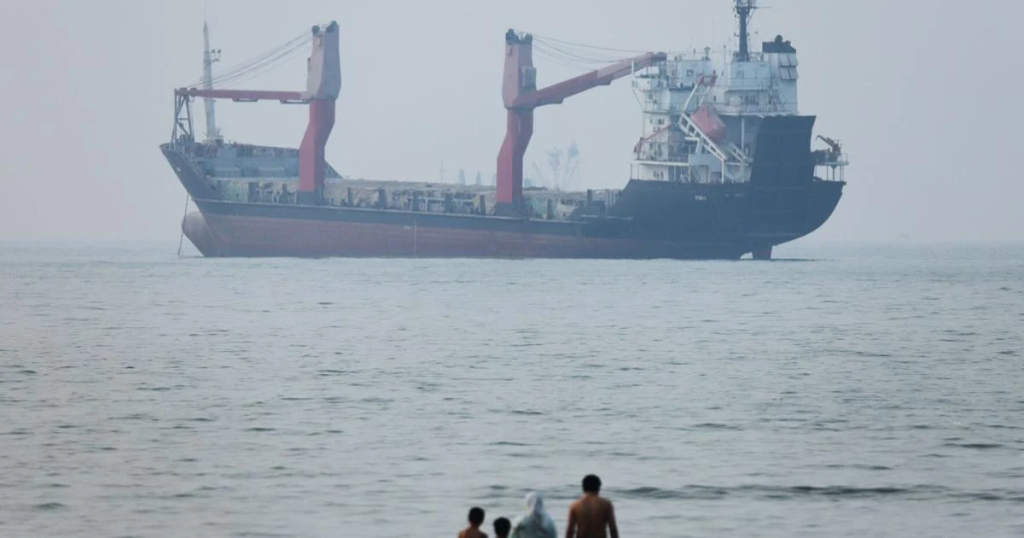
The disruption in the Persian Gulf is heavily compounded by instability elsewhere in the Middle East. With the Bab-el-Mandeb gateway also heavily threatened by active regional hostilities, commercial shippers find themselves with virtually no safe water routes to navigate through the region. This dual choke point crisis has trapped millions of barrels of oil inside the Persian Gulf, preventing exporters in Iraq, Kuwait, Saudi Arabia, and the United Arab Emirates from reaching international buyers.
According to data compiled by global maritime trackers, the daily flow of crude oil through these waterways has collapsed by millions of barrels, creating an unprecedented physical deficit in Western and Asian refining hubs. The lack of viable alternative overland pipelines means that the international energy market remains highly sensitive to every kinetic development, with traders pricing in a prolonged period of physical supply shortages.
Skyrocketing Energy Costs and Global Financial Impact
As the physical supply of crude oil continues to contract, the financial impact has been felt directly by global consumers. Retail fuel markets have reacted violently, causing domestic gasoline prices climb above $4 per gallon in the United States and triggering similar spikes across European markets. The swift rise in fuel costs is putting immediate pressure on household budgets and transport sectors, threatening to derail economic growth projections.
Concurrently, global energy benchmarks have experienced extreme volatility. Market analysts observe that Brent crude oil prices have surged past historical baselines, defying earlier stabilization forecasts and threatening to breach new thresholds if the blockade remains in place. This protracted energy crisis has led leading financial institutions and prominent macroeconomists to sound the alarm, warning that a severe global depression risk is rapidly turning from a worst-case scenario into a highly probable economic reality. According to data published by the U.S. Energy Information Administration, global energy reserves are being drawn down at an unsustainable rate to offset the maritime blockade.
Safety Advisories and Embassy Warnings to U.S. Citizens
In response to the deteriorating security environment, the U.S. Department of State has escalated its safety warnings for citizens remaining in the region. U.S. embassies across the Middle East issued urgent bulletins warning private American citizens that their windows of opportunity to leave via commercial transportation could become severely limited or dry up entirely if commercial airports and seaports are swept into the expanding theater of war.
This diplomatic warning is aligned with a broader worldwide caution issued to Americans abroad, highlighting the elevated risk of retaliatory attacks, civil unrest, and kinetic military actions targeting Western interests. Embassy officials are strongly urging all citizens to establish emergency communication plans, secure necessary travel documents, and consider departing the region immediately while commercial flight options—though increasingly scarce and expensive—are still functioning.
Stalled Diplomatic Efforts and the Future of the Conflict
Despite the growing risk of a total regional war and global economic devastation, diplomatic avenues appear entirely stalled. Backchannel negotiations mediated by European and Gulf intermediaries have failed to yield any tangible progress, with both Washington and Tehran maintaining deeply entrenched, non-negotiable positions. The United States demands an immediate cessation of Iranian proxy attacks and the reopening of maritime corridors, while Iran insists that the U.S. military must lift its blockade and withdraw its naval forces from the Gulf before any talks can resume.
As the conflict enters its third week of high-intensity strikes, the lack of diplomatic breakthrough indicates a protracted war of attrition. Military strategists warn that without an agreed-upon de-escalation mechanism, the potential for a catastrophic miscalculation remains exceptionally high. The coming days will be critical as both sides consolidate their positions, further fortifying their assets in preparation for what appears to be a prolonged and highly unpredictable maritime conflict.
| Actor | Target / Location | Military Action Undertaken | Strategic Objective / Outcome |
|---|---|---|---|
| U.S. Naval Forces | Merchant Vessel (Iranian Port bound) | Direct kinetic fire to halt blockade-running attempts | Enforcement of strict maritime blockade on Iran |
| Islamic Revolutionary Guard Corps (IRGC) | U.S. military bases in Gulf region (Bahrain, Kuwait) | Multi-directional ballistic missile and drone barrages | Retaliation for U.S. blockade and warnings to regional states |
| Saudi Air Force | Hodeida Port, Yemen | Targeted airstrikes on naval and logistical infrastructure | Neutralizing Houthi capability to threaten Red Sea shipping |