US-Iran diplomacy given “some space” as Trump pauses strikes
Table of Contents
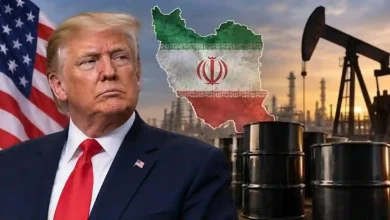
US-Iran diplomacy is entering a crucial testing phase as President Donald Trump adjusts his administration’s military posture, signaling a willingness to grant negotiators “some space” to seek an end to weeks of intense conflict. This diplomatic opening comes after thirteen consecutive nights of intense U.S. bombing campaigns across Iranian positions, representing the heaviest military engagements between Washington and Tehran since the previous ceasefire collapsed earlier this summer. With regional allies reporting no fresh attacks from Tehran and U.S. forces temporarily pausing air strikes, both sides are testing the waters of a delicate, temporary halt to direct combat.
The sudden transition from active warfighting to backdoor mediation has raised hope among international diplomats, even as a highly complex parallel conflict erupts in the north. Just as the Persian Gulf and Red Sea show tentative signs of stabilization, a deadly attack in the Caspian Sea has drawn Ukraine, Russia, and Israel into the diplomatic crosshairs. For the Trump administration, balancing military deterrence with high-stakes dealmaking is proving to be a defining foreign policy challenge of 2026, forcing a shift in tactics from overwhelming military force to deliberate diplomatic positioning.
Trump Administration Pivots: Giving Talks “Some Space”
The strategic shift in Washington became public when United States Ambassador to the United Nations, Mike Waltz, announced that President Trump is deliberately allowing a temporary halt to military actions to foster negotiations. Speaking on national television, Waltz noted that Trump “is giving talks some space, he’s giving it a little bit of room.” This pause is intended to test whether Tehran’s leadership is prepared to engage in serious de-escalation or if the halt will merely serve as a brief pause in hostilities.
While the administration remains “locked and loaded” and has continued to deploy additional military assets to the region, the temporary suspension of bombing runs indicates that backchannel channels remain active. According to senior administration officials, President Trump has always favored dealmaking over prolonged military involvement, provided that American deterrence is respected. Observers suggest that the current lull presents a rare window of diplomatic breathing room, allowing third-party intermediaries such as Qatar and Pakistan to ferry proposals between Washington and Tehran.
UN Ambassador Mike Waltz Confirms Military Hold
Ambassador Waltz emphasized that the pause does not signal a retreat or a lack of resolve on the part of the United States. He reiterated that while the President is giving negotiations room to develop, all options—including further kinetic strikes—remain firmly on the table. In his media appearances, Waltz sought to convey a dual message: Washington is willing to negotiate a peaceful resolution, but the Iranian leadership must take Trump’s warnings with absolute seriousness. This balance of threat and diplomatic opening is a hallmark of the administration’s “peace through strength” doctrine.
Internal Debates Over Munitions Rationing
The pause in airstrikes follows intense internal discussions within the Pentagon regarding U.S. stockpile levels. Recent reports emerged suggesting that the military was beginning to ration high-end munitions due to the sustained pace of operations. Ambassador Waltz fiercely contested these leaks, arguing that any officials leaking classified information about munitions logistics “deserve to be in jail.” While acknowledging that the administration inherited depleted stockpiles due to heavy foreign aid and extended operations in the Red Sea, Waltz asserted that the U.S. military possesses everything required to sustain active campaigns effectively.
However, defense analysts note that prolonged combat operations have put considerable pressure on the U.S. defense industrial base. The intensive nature of the extensive campaign of airstrikes has sparked a broader congressional debate over military preparedness and the rate of domestic arms production. The current pause in operations may therefore serve a dual purpose: providing a strategic window for diplomacy while allowing military logistics networks to stabilize and replenish vital equipment across regional hubs.
Summary of Recent US-Iran Hostilities
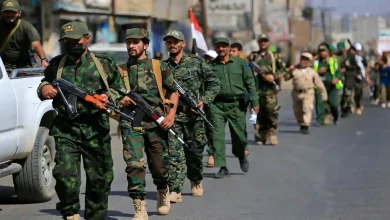
To fully understand the current diplomatic opening, it is essential to trace the intensity of the conflict leading up to this point. For nearly two weeks, the Middle East was on the precipice of a full-scale regional war. U.S. naval assets and strategic bombers launched waves of strikes targeting Iranian command centers, air defense systems, and ballistic missile storage facilities. In response, Iran’s regional proxies launched retaliatory barrages targeting coalition facilities, civilian shipping, and regional allies. This cycle of escalation has driven up international shipping costs and fueled global anxiety over energy security.
The geopolitical toll of this conflict has reverberated far beyond the physical combat zones. The mounting financial toll of the military campaign has already exceeded dozens of billions of dollars, leading to intense budgetary scrutiny in Washington. Meanwhile, global markets have reacted sharply, with crude oil price surges threatening economic stability across both importing and exporting nations. The following table provides a comprehensive overview of the escalating events that led to the current diplomatic lull:
| Date Range (July 2026) | Key Military Actions | Diplomatic & Economic Impact | Current Operational Status |
|---|---|---|---|
| July 10 – July 15 | U.S. initiates heavy bombing runs in response to proxy drone strikes on regional bases. | Global shipping rates rise; minor regional diplomatic protests. | Escalating kinetic strikes. |
| July 16 – July 22 | Intense nocturnal strikes continue; target scope expands to air defenses and storage sites. | Bilateral tension spikes; regional allies call for restraint. | High-intensity military operations. |
| July 23 – July 25 | Pentagon sustains strikes; reports emerge of internal discussions on missile stockpiles. | Energy prices surge; backchannel mediation initiated by Qatar and Pakistan. | Airstrikes enter 13th night before pausing. |
| July 26 – July 27 | Complete pause in U.S. and Iranian direct strikes; no new regional proxy attacks reported. | Ambassador Waltz confirms diplomatic “space”; Caspian Sea incident emerges. | Active operational pause; backdoor diplomacy. |
Caspian Sea Escalation: The Ukraine Ship Attack
Just as the Persian Gulf experienced a fragile quiet, a dangerous new front opened in the northern waters of the Caspian Sea. Over the weekend, Ukrainian forces conducted a daring, long-range drone operation targeting maritime infrastructure and shipping vessels in the Caspian region. According to official statements from Kyiv, the operation targeted Russian military transport vessels and logistics hubs suspected of transporting Iranian weapons and military cargo intended for use in the ongoing Russia-Ukraine war.
Tehran reacted with fury, confirming that an Iranian commercial vessel transporting steel was struck, resulting in an explosion that killed one sailor and injured several others. The Iranian foreign ministry characterized the strike as a “hostile and criminal act” and summoned Ukraine’s chargé d’affaires in Tehran to deliver a formal, high-level protest. The strike represents the first direct Ukrainian attack on an Iranian vessel, signaling that the separate battlefields of Europe and the Middle East are rapidly converging into a unified global friction point.
Abbas Araghchi Vows Retaliation for “UN Charter Violation”
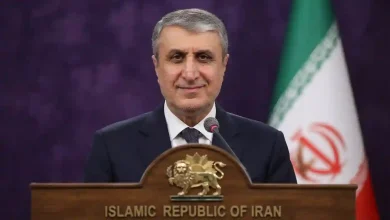
Iranian Foreign Minister Abbas Araghchi condemned the strike in the strongest possible terms, warning that the incident “cannot go unanswered.” Araghchi publicly framed the attack as a flagrant violation of Article 2(4) of the United Nations Charter, which prohibits the threat or use of force against the territorial integrity or political independence of any state. He urged the United Nations Security Council, the European Union, and the international community to formally condemn Kyiv’s actions, warning that failure to do so would further destabilize global maritime security.
In diplomatic calls with European Union foreign policy chief Kaja Kallas and Russian Foreign Minister Sergey Lavrov, Araghchi reiterated that Iran has maintained a policy of non-intervention in the Russia-Ukraine war, despite Western accusations of drone shipments. The Iranian Foreign Ministry warned that the “irrational and hostile approach” of Ukrainian leadership would carry heavy consequences. Senior Iranian lawmakers have already threatened retaliatory measures, raising fears that Iranian assets could target Ukrainian infrastructure or personnel globally.
The Israeli Connection: Tehran’s Direct Allegations
In a highly controversial development, Foreign Minister Araghchi accused Israel of orchestrating the Caspian Sea attack behind the scenes. In a public statement on social media, Araghchi claimed that Ukrainian President Volodymyr Zelenskyy had acted directly “at Israel’s behest” in a calculated effort to “drag Europe into its war” and widen the geopolitical scope of the Middle East conflict. While Iran did not present concrete intelligence to support this claim, the accusation underscores Tehran’s belief that its adversaries are working in close coordination to apply maximum pressure on multiple fronts.
Regional Backchannels and Mediation Efforts
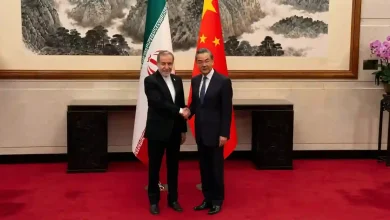
Despite the heated rhetoric surrounding the Caspian Sea incident, the pause in direct U.S.-Iran hostilities remains a testament to the efficacy of ongoing bilateral backchannel communications. Neutral nations, particularly Pakistan and Qatar, have taken on pivotal roles as intermediaries. Diplomatic sources report that Chinese envoys have also participated in exploratory discussions, emphasizing the need to preserve free trade and stabilize vital maritime chokepoints that are critical to global commerce.
According to reports, the central objective of these mediation efforts is to establish a structured framework for de-escalation. The Iranian side has reportedly conveyed a message of reciprocal deterrence: “attack for attack.” If the United States sustains its pause on military strikes, Iran has signaled that it will ensure its regional allies and proxy forces hold their fire. However, the level of trust between Washington and Tehran remains incredibly low, with both sides viewing the current pause as a tactical maneuver rather than a genuine shift toward lasting peace.
Economic and Strategic Implications of the Lull
The economic stakes of this military pause cannot be overstated. Weeks of sustained conflict have severely disrupted maritime trade routes, forcing major shipping conglomerates to bypass critical passages, which in turn has driven up consumer prices worldwide. If the diplomatic talks fail and hostilities resume, the global economy could face severe disruption, especially if the conflict spills over into major shipping lanes where regional proxy networks are capable of launching targeted interdictions.
Furthermore, the strategic calculation for both nations involves weighing the massive financial costs of prolonged warfare. For the United States, managing domestic economic priorities while funding overseas containment campaigns requires careful balancing. For Iran, an extended conflict under the weight of severe international sanctions threatens internal economic stability. Thus, the temporary lull offers both administrations a crucial opportunity to recalculate their long-term strategies and assess whether their political goals can be achieved through negotiations rather than costly military engagement.
Conclusion: Can Peace Hold in the Middle East?
Ultimately, the coming days will reveal whether this pause in military operations marks the beginning of a sustained diplomatic process or is merely the calm before an even larger storm. President Trump’s decision to afford negotiations “some space” demonstrates a pragmatic recognition that military force must be coupled with diplomatic pathways to achieve lasting regional stability. However, with the Caspian Sea incident introducing highly volatile European dynamics into the equation, the path toward peace remains fraught with unpredictable obstacles.
As international mediators work tirelessly behind the scenes to bridge the immense divide between Washington and Tehran, the world watches with bated breath. The fragile calm currently holding across the region is a reminder of the high stakes involved. Whether through a formal diplomatic accord or a tacit understanding to avoid further escalation, the international community desperately hopes that this brief window of opportunity will be seized before the cycle of violence resumes once again.