Iran Rejects Peace Talks with U.S. After Trump Halts Bombing Campaign 2026
Table of Contents
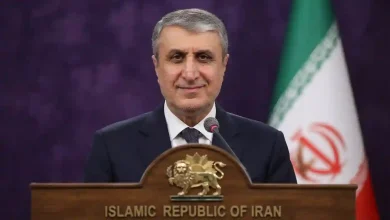
Iran on Monday declared that it is not currently engaging in any peace negotiations with the United States, promising to “defend ourselves for as long as our interests” require. This defiance from Tehran comes shortly after President Donald Trump ordered a pause in the United States’ intense bombing campaign, which had subjected Iranian targets to nearly two weeks of consecutive airstrikes. Esmaeil Baghaei, the Iranian Foreign Ministry spokesperson, stated during a televised press conference in Tehran that the Islamic Republic “will never allow the United States to determine the timing of war and peace”.
As regional tensions remain at an all-time high, Baghaei underscored Tehran’s refusal to succumb to unilateral American pressure. “We hold America responsible for the military aggression against Iran,” added Baghaei, clarifying that “what exists at present cannot be called a ceasefire”. The statements represent a stark reminder of the deep mistrust between the two nations, which has only intensified over successive weeks of military escalation.
Esmaeil Baghaei’s Direct Rejection of the U.S. Peace Talks
Addressing reports that Iran had initiated or requested diplomatic talks following the cessation of U.S. airstrikes, Esmaeil Baghaei was unequivocal. He stated that Tehran is not pursuing any direct or indirect bilateral negotiations with Washington. Instead, the spokesperson painted the current pause in military actions as a unilateral decision by the United States rather than a negotiated settlement. According to Baghaei, Iran’s defensive posture remains fully active, and its armed forces are prepared for any renewed escalation.
The Iranian diplomat made it clear that while third-party intermediaries continue to convey messages back and forth, these exchanges do not constitute a formal peace process. Iran’s primary focus remains on safeguarding its sovereignty and ensuring that its core national interests are not compromised under the threat of external bombardment. He noted that the United States has consistently failed to demonstrate sincerity, pointing to a history of broken agreements and unilateral aggression as evidence of Washington’s unreliable diplomatic track record.
Defining the Limit of War and Peace
In his televised briefing, Baghaei emphasized that Iran would not allow Washington to dictate terms of engagement. By asserting that Tehran will not permit the United States to control the timeline of hostilities, the foreign ministry sought to project strength and resilience to both domestic and international audiences. This rhetorical stance is aimed at signaling that Iran remains unbowed by the recent campaign of heavy aerial bombardment, which targeted key infrastructural and defensive sites across several provinces.
Tehran’s refusal to label the current operational pause as a “ceasefire” is a calculated strategic move. By refusing to validate the pause as an established peace, Iran keeps its defensive and retaliatory options open. It warns that any further provocative action by the U.S. military or its regional allies will be met with immediate and decisive force, maintaining a high level of deterrence despite the heavy toll of recent strikes.
The Mechanics Behind Donald Trump’s Bombing Pause
President Donald Trump’s decision over the weekend to halt the daily bombardment of Iranian territory was described by Washington officials as an effort to “give talks some space”. However, military analysts and intelligence reports suggest that the halt was primarily driven by logistical realities and strategic limits. Behind the scenes, the White House debates escalation in the war with Iran as administration advisors weigh the viability of continuing an expensive and open-ended aerial campaign.
While Trump publicly maintains a “locked and loaded” stance, the pause represents a tactical breathing room. The administration is reportedly facing pressure from both congressional oversight committees and international allies who fear a wider regional conflagration that could permanently shut down vital shipping corridors, such as the Strait of Hormuz. The pause, therefore, serves as a dual-purpose mechanism: it mollifies rising international anxiety while allowing military planners to restock precision-guided munitions and re-evaluate their strategic intelligence.
Running Out of Targets: Advice From the Joint Chiefs
Reports from Washington suggest that the halt in bombing was heavily influenced by advice from senior military commanders. Admiral Brad Cooper, the overall commander of U.S. forces in the region, alongside General Dan Caine, the Chairman of the Joint Chiefs of Staff, reportedly briefed the president that the air campaign had reached the limits of its operational effectiveness. Over thirteen consecutive nights of strikes, the U.S. military had systematically targeted known missile silos, radar installations, and command-and-control nodes.
As a result, planners were effectively running out of high-value, validated targets without risking significant civilian casualties or striking deep into heavily populated urban centers. Furthermore, General Caine raised serious concerns regarding the rapid depletion of advanced air defense interceptors, such as Patriot and NASAMS missiles, which are critical for protecting regional U.S. military bases and allied assets from retaliatory drone and ballistic missile attacks.
Escalation Timeline: From Ceasefire Collapse to Aerial Combat
The current crisis is the culmination of weeks of deteriorating security. Earlier in the month, diplomatic observers warned that the U.S.-Iran ceasefire was on the verge of collapse due to repeated violations and maritime incidents in the Persian Gulf. The situation rapidly reached a tipping point when the Iran-US conflict escalated after U.S. service members were killed in a series of targeted rocket attacks on a coalition base in Iraq, prompting an immediate vow of retribution from President Trump.
What followed was a swift transition to high-intensity warfare. Washington launched a massive, coordinated air campaign targeting military sites, communication networks, and logistics hubs within Iran. The rapid escalation shattered months of fragile diplomatic efforts, pushing both nations to the brink of an all-out, uncontained war that threatened to engulf the entire Middle East.
| Strategic Dimension | United States Position | Iranian Response / Position |
|---|---|---|
| Bombing Campaign | Tactical pause to allow diplomatic channels room. | Rejects pause as a ceasefire; defends sovereignty. |
| Strait of Hormuz | Demands open navigation and freedom of transit. | Maintains full physical and regulatory control. |
| Target Selection | Focus on air defenses, drone hubs, and missile depots. | Claims attacks hit civilian infrastructure; vows response. |
| Peace Negotiations | Seeking structured negotiations via regional allies. | Denies active talks; rejects U.S.-determined timelines. |
Key Moments of the 13-Night Strategic Strike
The intensity of the American air operation was unprecedented in its scope. By mid-July, U.S. airstrikes entered their tenth consecutive night, with heavy bombers and sea-launched cruise missiles pounding targets across southern and western Iran. The aerial assault focused heavily on degrading Iran’s air defense networks, ballistic missile storage sites, and drone manufacturing facilities.
As the campaign stretched on, the financial and military costs of the war surged, raising alarm bells within the Pentagon. Despite the destruction of critical defensive infrastructure, the Iranian military demonstrated significant resilience, utilizing mobile missile launchers and subterranean bases to evade detection and maintain a viable retaliatory threat, while continuing to restrict shipping transits in the Strait of Hormuz.
Economic Fallout: Global Markets Under Strain
The military confrontation has sent shockwaves through the global economy, directly impacting energy security and international shipping routes. With the Strait of Hormuz remaining highly volatile, insurance premiums for commercial vessels have skyrocketed, forcing major maritime operators to reroute tankers around the Cape of Good Hope. This massive logistical disruption has severely constrained global oil supplies, triggering rapid price spikes in international commodity exchanges.
Geopolitical analysts emphasize that the 2026 Iran war redefined the regional landscape, turning economic vulnerability into a primary weapon of deterrence. The prolonged instability has illustrated the limits of military power alone in securing strategic energy chokepoints, as even a paused bombing campaign fails to restore market confidence or stabilize volatile supply chains.
Oil Spikes and Domestic Fuel Pressure
As a direct consequence of the escalating hostilities, Brent crude oil prices defied predictions with massive spikes, briefly crossing historical highs. The threat of a complete block on the flow of crude through the Persian Gulf has kept energy traders on high alert, creating an atmosphere of intense volatility in global financial hubs.
This global energy crisis quickly translated into domestic economic pain for the American public. In major cities across the nation, gasoline prices climbed above four dollars per gallon, sparking widespread domestic frustration. The rising cost of fuel has put additional pressure on the Trump administration to find a swift resolution to the crisis, as persistent inflation threatens to undermine domestic economic growth and consumer confidence.
The Mediation Channel: Pakistan and Qatar’s Diplomatic Efforts
Despite the aggressive rhetoric from both capitals, quiet diplomatic efforts are underway behind closed doors. Pakistan and Qatar have emerged as the primary intermediaries, acting as trusted conduits to exchange messages between Washington and Tehran. According to regional officials, these mediators are working tirelessly to establish a framework that could lead back to an interim ceasefire.
However, the path to a diplomatic breakthrough is fraught with obstacles. Iran continues to insist on concrete guarantees, including the lifting of frozen assets and sanctions relief, before agreeing to any formal negotiations. Washington, conversely, demands that Tehran immediately cease its maritime interdictions and scale back its nuclear enrichment activities. Without a willingness to compromise on these core demands, the efforts of Pakistani and Qatari diplomats remain a fragile lifeline in an otherwise highly combustible situation.
What Lies Ahead: Deterrence, Air Defenses, and Regional Risks
The current pause in the U.S. bombing campaign represents a highly delicate moment in modern Middle Eastern geopolitics. While military operations are temporarily on hold, both sides remain on a war footing. The absence of direct peace talks means that the potential for a miscalculation remains dangerously high. A single incident—such as a drone strike on a U.S. asset or an aggressive naval encounter in the Persian Gulf—could instantly reignite the conflict.
Ultimately, the crisis has exposed the severe limits of relying purely on military force to achieve long-term diplomatic objectives. As Washington grapples with rising costs and target depletion, and Tehran manages the severe economic toll of blockade and bombardment, both nations are finding themselves locked in a costly stalemate. Whether diplomacy can successfully bridge this deep divide or if the region is simply experiencing the calm before a much larger storm remains to be seen.
References: