U.S.-Iran conflict Escalates After 13th Night of Airstrikes
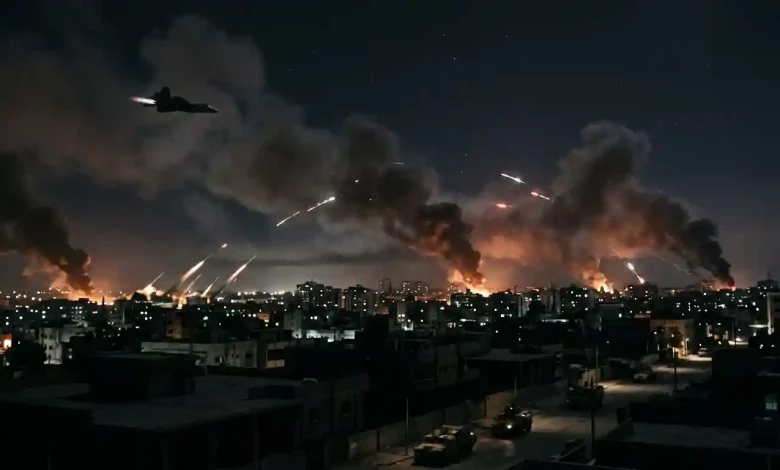
Table of Contents
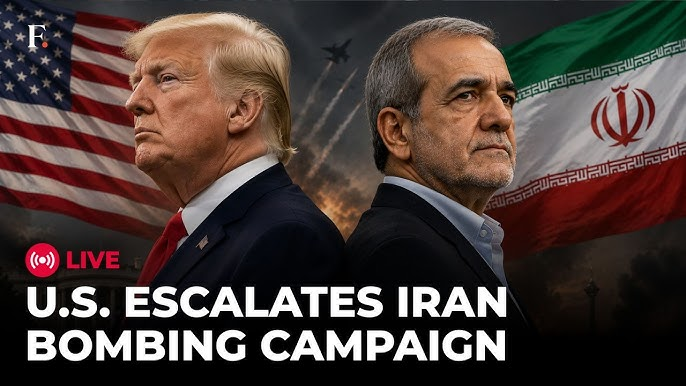
U.S.-Iran conflict dynamics have reached an unprecedented and perilous threshold, with military engagements persisting through a thirteenth consecutive night of kinetic strikes across the Middle East. As both Washington and Tehran demonstrate a resolute refusal to back down, the geopolitical landscape is fracturing along multiple strategic axes. The confrontation is no longer confined to isolated skirmishes; it has evolved into a highly coordinated multi-front campaign involving state actors, regional proxies, and global maritime security forces. With diplomacy hanging by a thread and military maneuvers intensifying, the specter of an all-out regional war looms larger than it has in decades. Let us explore the tactical shifts, economic ramifications, and geopolitical maneuvers driving this rapidly escalating crisis.
U.S.-Iran: The Dawn of a Darker Chapter: 13 Nights of Confrontation
The air over several Middle Eastern nations has hummed with the sound of fighter jets and air defense interception systems for nearly two weeks. The latest round of violence marks the thirteenth consecutive night of intense military strikes. This operational tempo indicates a highly structured, deliberate campaign by the United States and its coalition partners to degrade the capabilities of Iranian-aligned groups. Only hours after us airstrikes hit Iran for 12th night as Red Sea tensions reached their peak, the situation deteriorated further with renewed strikes targeting command centers, logistics hubs, and ammunition depots. Pentagon officials insist these operations are defensive, aimed at neutralizing threats to American personnel and international trade routes. However, Tehran views them as direct provocations and violations of national sovereignty, leading to a dangerous cycle of action and reaction.
U.S.-Iran: Escalation Indicators and Diplomatic Breakdown
Geopolitical observers point to several critical indicators suggesting that both sides are preparing for a long-term, high-intensity conflict rather than a diplomatic exit ramp. The diplomatic channels that previously functioned to de-escalate crisis points have fallen silent, replaced by aggressive rhetoric and unilateral military actions. Recently, the worldwide caution US State Department warns of severe and unpredictable safety threats, prompting American embassies across the Middle East to issue urgent security alerts. U.S. citizens residing in or traveling through the region have been advised that options for commercial departure could become extremely limited on short notice, a clear signal that Washington anticipates further military escalations that could disrupt civilian infrastructure.
U.S.-Iran: The Battle for the Sea: Saudi Strikes and Houthi Retaliation
The conflict took a dramatic turn early Saturday as the Saudi-led coalition launched a series of heavy airstrikes against the strategic port city of Hodeida in Yemen. This kinetic intervention was executed in response to the widening conflict Houthis strike Saudi tankers, which has broken a yearslong, fragile calm that existed since the 2022 truce. The Iranian-backed Houthi rebels had successfully targeted Saudi oil tankers transiting the Red Sea, threatening Riyadh’s vital energy export corridors. In response, the Houthis have vowed to expand their target list, stating they will escalate their maritime operations to a degree never before seen. This development threatens to draw Saudi Arabia, which had spent years trying to negotiate a peaceful exit from the Yemeni civil war, back into a direct military confrontation.
The Maritime Chokepoints: Bab-el-Mandeb and Red Sea Shipping Impact
The escalation of hostilities in the waters off Yemen poses an existential threat to global maritime commerce. With the critical Bab-el-Mandeb gateway threatened by relentless drone attacks, anti-ship ballistic missiles, and naval mines, major international shipping conglomerates have begun rerouting their vessels. Avoidance of the Suez Canal in favor of the much longer journey around the Cape of Good Hope has dramatically increased transit times, raised insurance premiums, and disrupted global supply chains. Analysts warn that if these choke points remain active combat zones, the cost of consumer goods, manufacturing parts, and energy resources will experience sustained upward pressure worldwide.
Comparison Table: Regional Conflict Theaters and Impacts
The table below provides a structured overview of the primary geographic theaters of this conflict, the main actors involved, and the strategic implications of the recent escalations.
| Theater of Conflict | Primary Actors | Key Action (Past 72 Hours) | Strategic Implications |
|---|---|---|---|
| Red Sea & Bab-el-Mandeb | Saudi Coalition, US Navy, Houthi Rebels | Saudi strikes on Hodeida; Houthi attacks on oil tankers | Severely disrupts global trade routes; ends yearslong Yemen truce |
| Persian Gulf & Strait of Hormuz | US Navy, IRGC, Commercial Vessels | IRGC issues base warnings; heightened maritime surveillance | Risk of complete transit blockades; threat to global energy security |
| Syria, Iraq & Jordan Borders | US Armed Forces, Iranian Proxy Militias | 13 consecutive nights of retaliatory airstrikes | Puts US personnel in continuous danger; threatens host nation stability |
| Diplomatic & Consular | US State Dept., Regional Embassies, Iran | Embassy travel alerts; suspension of bilateral talks | Prepares for potential evacuations; closes doors for diplomatic resolution |
One of the most immediate concerns for military planners in Washington is the security of forward-deployed American troops in Iraq, Syria, and Jordan. In light of past incidents where US troops killed regional tensions surge to dangerous levels, the Pentagon has reinforced air defense assets, deploying additional Patriot missile batteries and Counter-RAM systems. However, Iran’s Revolutionary Guard Corps (IRGC) has issued a stern advisory to neighboring countries, warning them to distance their civilian populations and military infrastructure from any facilities hosting American troops. This warning is widely interpreted as a threat that those bases, and potentially the host nations themselves, could be targeted if they are used as launchpads for further strikes against Iranian interests. This tactical posturing places regional allies in an incredibly difficult diplomatic and security position.
Economic Shockwaves: Energy Markets Under Pressure
The financial ramifications of this protracted confrontation are reverberating through global markets. Consequently, global consumers are already feeling the pinch as gasoline prices climb above $4 amid Middle East chaos. Energy traders are pricing in a high geopolitical risk premium, fearing that a miscalculation could lead to a broader shutdown of Gulf energy infrastructure. This vulnerability was further highlighted when a Strait of Hormuz tanker attacked as US airstrikes commenced, illustrating that even the most heavily monitored waterways are not immune to asymmetric attacks. Oil and gas prices are expected to remain volatile as long as the Houthis blockade Saudi ships as US Iran clashes drag on, directly threatening global economic stability and fueling inflationary pressures in Western economies.
The Diplomatic Stalemate: Is There a Path to Peace?
At present, the path toward a diplomatic resolution appears almost entirely blocked. The United States maintains that it will not tolerate attacks on its personnel or international shipping, while Iran asserts its right to support regional resistance groups against what it terms Western imperialism. The United Nations Security Council remains deeply divided, unable to pass binding resolutions that could enforce a ceasefire or mandate a return to negotiations. As both nations continue to mobilize their forces, fortify their positions, and signal their willingness to engage in long-term conflict, the international community is left to watch nervously. Without a concerted backchannel effort or a mutual willingness to make concessions, the thirteen nights of strikes may simply be the opening salvo of a much larger, more destructive regional conflagration.