Worldwide caution 2026: US State Department Warns Citizens Abroad
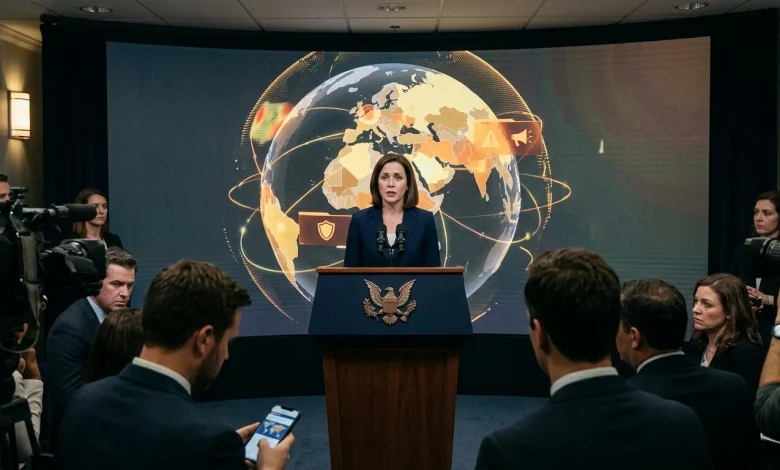
Table of Contents
Worldwide caution alerts are among the most serious security warnings issued by the United States government to its citizens residing or traveling abroad. On July 20, 2026, the U.S. Department of State officially updated its global warning system, urging Americans worldwide to exercise extreme vigilance. This sweeping directive, shared by the State Department’s TravelGov social media accounts and official embassy portals, highlights a highly unstable international environment. According to the state department, U.S. diplomatic facilities, including those located far outside the Middle East, have been actively targeted. Furthermore, intelligence reports indicate that Iran and groups supportive of Iran may target other U.S. interests overseas or at locations associated with the United States and Americans throughout the world. This comprehensive analysis breaks down the strategic, political, and safety dimensions of this unprecedented security alert.
Understanding the Context of the July 2026 Security Alert
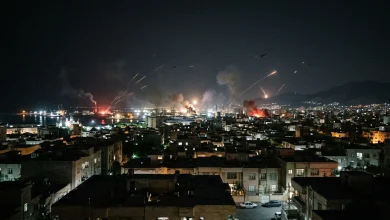
The timing of this global advisory is not accidental. Over the past several months, geopolitical frictions in the Persian Gulf and surrounding regions have intensified to levels not seen in decades. This latest security posture is a direct response to a rapid series of kinetic confrontations involving state and non-state actors. The recent spike in military operations was catalyzed when the iran-us-conflict-escalates-after-two-us-troops were tragically killed in Jordan, a key allied outpost. This fatal incident crossed an established red line for Washington, forcing a major shift in the Pentagon’s engagement parameters.
As CENTCOM confirms fatal strike on US forces in the region, the diplomatic channels that previously held back all-out war are severely strained. The State Department’s decision to broadcast a global warning, rather than a regional travel advisory, indicates that the threat vector is no longer confined to specific active combat zones. Instead, U.S. intelligence suggests that asymmetric retaliatory strikes could occur in European cities, Latin American financial hubs, or Asian transit corridors.
Specific Threats Highlighted in the Worldwide Caution
The language used in the July 20, 2026, advisory is deliberately precise yet broad enough to cover various contingency scenarios. The State Department explicitly warns of “potential for unforeseen escalation,” which refers to the unpredictable nature of modern proxy warfare. Unlike conventional military confrontations, modern asymmetric threats include cyber warfare, drone strikes on civilian infrastructure, and targeted attacks on soft targets such as hotels, educational institutions, and tourist landmarks.
A primary concern is the safety of U.S. diplomatic facilities. Embassies and consulates represent sovereign American territory abroad, making them symbolic targets for state-sponsored adversaries. The alert notes that these facilities, including those outside the Middle East, have already been targeted or surveyed for potential operations. This broad geographical scope forces security detail chiefs at every U.S. mission globally to operate under heightened defense protocols.
Chronology of Recent Middle East Escalations
To fully grasp the severity of the current security landscape, it is essential to trace the series of events that culminated in this worldwide warning. Historians and military strategists have noted how the 2026 Iran war how regional conflict redefined the defensive doctrines of both Western powers and their Middle Eastern allies. The current crisis is characterized by a rapid action-reaction cycle that has consistently outpaced diplomatic efforts.
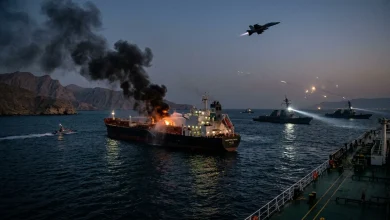
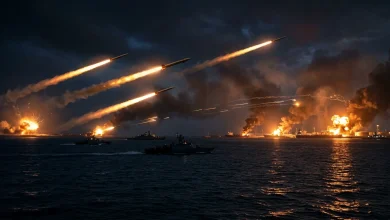
Earlier this year, a series of naval skirmishes and targeted airstrikes disrupted primary shipping lanes in the Strait of Hormuz. Despite international condemnation, maritime security continued to deteriorate. This development marks a stark reversal from earlier diplomatic efforts, leaving the us-iran-ceasefire-on-the-verge-of-collapse as trust evaporates between Washington and Tehran. The collapse of these diplomatic guardrails has directly resulted in the unrestricted deployment of advanced military assets by both sides.
The Role of Iran and Proxy Groups
Iran’s strategic doctrine has long relied on a network of non-state actors, often referred to as the “Axis of Resistance.” This network includes highly trained militias, political movements, and paramilitary organizations spread across Lebanon, Iraq, Syria, and Yemen. By utilizing these groups, Tehran can project power and conduct retaliatory strikes while maintaining a degree of plausible deniability.
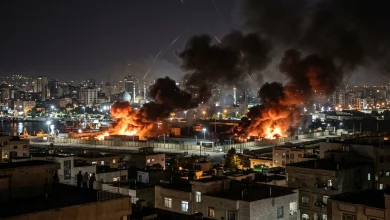
On the technological front, intelligence reports indicate that iran adapts ballistic missiles to evade us air defenses, rendering defensive grids in the Persian Gulf increasingly vulnerable. These technological adaptations, combined with the proliferation of low-cost loitering munitions (suicide drones), have democratized precision-strike capabilities among proxy groups. As U.S. airstrikes escalate Middle East instability, the threat of symmetric and asymmetric retaliation against soft targets has increased. This makes any location associated with American citizens or Western commercial interests a potential flashpoint.
This was clearly demonstrated when an iranian-drone-attack-on-cargo-ship-shatters civilian maritime trade lanes, signaling that commercial assets are now valid targets. The threat is no longer theoretical; it is an active operational reality that affects global supply chains, international air travel, and the physical security of expatriates worldwide.
Key Safety Directives for Americans Abroad

In light of these escalating threats, the U.S. government has issued clear, actionable guidelines for its citizens traveling or living overseas. The primary objective is to minimize visibility and maintain high situational awareness.
Enrolling in the Smart Traveler Enrollment Program (STEP)
The single most important step for any American citizen abroad is to enroll in the Smart Traveler Enrollment Program (STEP). This free service allows U.S. citizens and nationals traveling or living abroad to register their trip with the nearest U.S. Embassy or Consulate. Benefits of STEP enrollment include receiving critical, real-time security updates from the embassy regarding local safety conditions, enabling family and friends to reach you in an emergency, and helping the U.S. Embassy contact you in an emergency.
Immediate Protocols for Areas Experiencing Active Disruptions
For Americans currently located in high-risk zones, particularly in the Middle East and surrounding areas, the State Department advises the following immediate protocols:
1. **Maintain a Low Profile:** Avoid gathering at well-known Western establishments, including American chain hotels, popular tourist spots, and prominent cultural institutions.
2. **Review Personal Security Plans:** Ensure that all travel documents, including passports and visas, are up-to-date and easily accessible. Have a pre-formulated evacuation plan that does not rely solely on commercial aviation.
3. **Monitor Local Media:** Keep abreast of local news broadcasts and official government announcements. Do not rely exclusively on social media, which can often spread unverified or panic-inducing rumors.
4. **Be Prepared for Travel Disruptions:** Expect sudden airspace closures, flight cancellations, and enhanced security screenings at international transit hubs.
Comparative Analysis of Global Threat Levels
The current global security landscape varies significantly by region. While the Middle East remains the epicenter of active military hostilities, the spillover effect has altered safety ratings across multiple continents. Despite efforts to establish temporary security frameworks, the broader iran-us-conflict-escalates-as-islamabad-mou agreements fail to stabilize the contested maritime and air zones, leaving global travelers in a state of constant uncertainty. The following data table illustrates the current recommended travel advisory postures for various global regions as of July 2026:
| Region | Advisory Level | Primary Risk Factors | Recommended Action |
|---|---|---|---|
| Middle East | Level 4: Do Not Travel / Depart Immediately | Active military operations, missile strikes, proxy activity, airspace closures. | Evacuate via commercial means if safe; shelter in place if transit is blocked. |
| North Africa | Level 3: Reconsider Travel | Civil unrest, spillover from regional conflicts, terrorism threats. | Postpone non-essential travel; register immediately with STEP. |
| Europe (Western & Central) | Level 2: Exercise Increased Caution | Potential asymmetric retaliatory strikes on soft targets, large-scale demonstrations. | Avoid crowded public squares; monitor embassy alerts; keep a low profile. |
| East Asia & Pacific | Level 1: Exercise Normal Precautions | Standard localized crime, occasional localized weather events. | Follow standard international safety guidelines; stay alert in transit hubs. |
This regional breakdown underscores the fact that while some areas remain statistically safe, the global interconnectedness of aviation and maritime travel means that a disruption in one sector can quickly cascade into a global logistical crisis.
Long-Term Geopolitical Implications for US Foreign Policy
The issuance of a worldwide caution is a rare diplomatic and national security measure. It reflects a systemic assessment that the current global order is under profound strain. For U.S. foreign policy, this alert signals a transition from active regional stabilization to a defensive, global containment posture.
First, the United States is forced to reallocate significant intelligence and military resources away from long-term strategic theaters—such as the Indo-Pacific—to manage immediate crisis situations in the Middle East. This resource shift can create security vacuums that other geopolitical rivals might exploit.
Second, the threat to diplomatic facilities complicates standard bilateral diplomacy. When embassies must operate under virtual lockdown conditions, the ability of foreign service officers to engage with local civil society, conduct trade missions, and build cultural bridges is severely restricted. This isolation can weaken American soft power over time, leaving room for alternative diplomatic actors to exert influence.
Finally, the economic consequences of sustained high-tension alerts cannot be ignored. International tourism, corporate business travel, and multinational supply chains rely on predictable security environments. By warning citizens that any location associated with the United States could be targeted, the global economy faces increased insurance premiums, higher operational security costs, and a chilling effect on foreign direct investment in emerging markets.
In conclusion, the July 2026 worldwide caution serves as a sobering reminder of the complex and interconnected threats defining the modern era. For American citizens abroad, vigilance is no longer just a recommendation; it is an essential component of navigating an increasingly volatile global landscape.