Iran-US conflict 2026 Escalates After Two US Troops Killed in Jordan
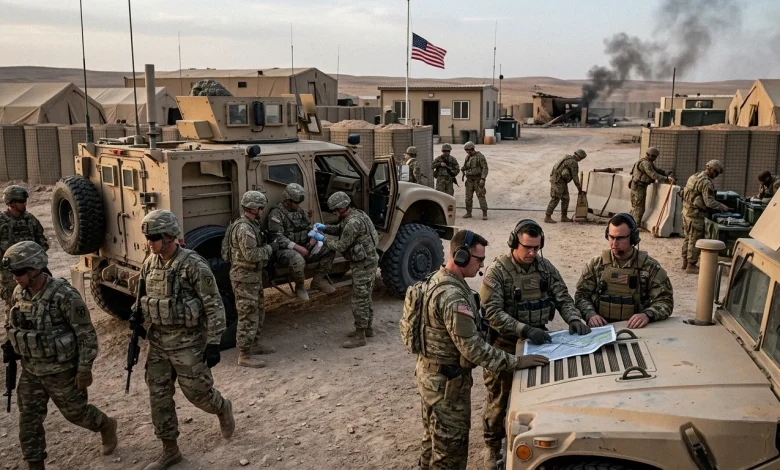
Table of Contents
Iran-US conflict hostilities reached a devastating peak on Sunday as United States forces launched a powerful new wave of military strikes targeting Iranian positions, following a ballistic missile and drone attack that killed two American soldiers in Jordan. The strikes mark a severe expansion of the regional theater, as the tentative truce collapses under heavy pressure from both sides. As Washington responds to these direct military provocations, the international community is watching with growing concern that this localized confrontation could expand into an all-out war.
Introduction: The Escalation of Retaliatory Air Operations
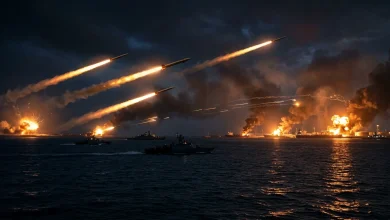
Following the confirmation of American deaths in Jordan on Friday, President Donald Trump immediately authorized the Pentagon to conduct extensive, retaliatory air campaigns. According to defense officials, these strikes represent the eighth consecutive night of active engagements designed to neutralize the command structures of the Islamic Revolutionary Guard Corps (IRGC). The U.S. Central Command (CENTCOM) coordinated these efforts with allied forces stationed in the region, marking the seventh consecutive night of intense bombardment by coalition forces to degrade hostile assets.
The defensive umbrella in Jordan reported intercepting multiple inbound ballistic missiles, but several managed to breach local defenses, leading to the fatal incident. U.S. military command stated that the retaliatory actions are not merely symbolic but are aimed at degrading the Islamic Republic’s critical naval and logistical hubs along coastal waters and inland operational centers.
High-Level Political Responses and President Trump’s Warnings
As news of the soldiers’ deaths reached the White House, President Donald Trump addressed the nation from his Bedminster golf club, calling the losses “a very sad thing”. Trump paired his condolences with an unyielding warning regarding Iran’s strategic nuclear program. “We’re never allowing Iran to have a nuclear weapon,” Trump asserted to reporters, reaffirming his administration’s primary geopolitical objective.
The response on Capitol Hill was immediate and deeply divided. Republican Representative Abe Hamadeh of Arizona expressed that he was “heartbroken” by the loss of the “two American soldiers who heroically defended our nation and partner forces against Iranian ballistic missile and drone attacks in Jordan”. Representative Nancy Mace of South Carolina also called the news “devastating” and urged the nation to pray for the families of the fallen. Meanwhile, some Democrats paired their condolences with sharp criticisms of the administration’s handling of the conflict, with Senator Andy Kim of New Jersey questioning the long-term diplomatic strategy to prevent further casualties.
Trump’s Rejection of the Interim Memorandum of Understanding
Adding fuel to the political firestorm, Iranian Deputy Foreign Minister Kazem Gharibabadi announced that Tehran has officially suspended its commitments under the interim deal with the United States, accusing Washington of breaching its own prior obligations. In response to this diplomatic collapse, President Trump took a dismissive stance. When asked about Iran’s decision to no longer abide by the memorandum of understanding (MoU), Trump told reporters, “I couldn’t care less”.
This dismissive attitude has met severe opposition in Tehran. Iran’s Supreme Leader Mojtaba Khamenei dismissed Trump’s commitment to any previous agreements, calling the American signature “worthless and devoid of credibility”. Khamenei further warned of “unforgettable lessons” in store for Washington if the military campaign continues to escalate.
A Grim Historical Timeline of US Casualties
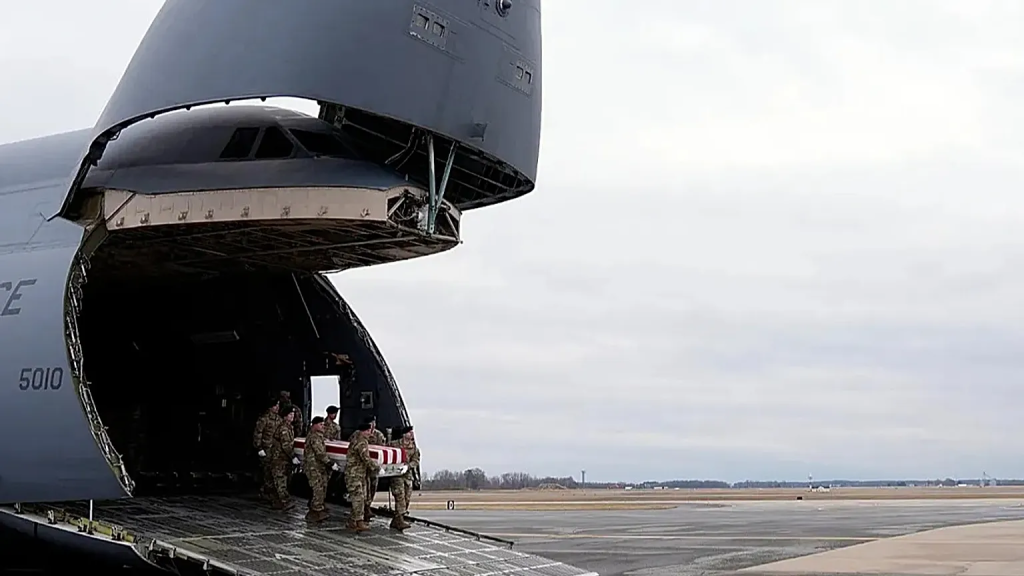
The recent fatalities in Jordan have brought the human cost of the conflict to the forefront of American domestic politics. According to figures compiled by CENTCOM, the latest casualties in Jordan bring the total number of US soldiers killed since the war began on February 28, 2026, to 16. In addition to these deaths, more than 430 American service members have been wounded in various theater actions, while one remains missing in action.
This rising casualty list has increased pressure on the Joint Chiefs of Staff to ensure troop safety, as forward operating bases face persistent asymmetrical threats. The complex defensive landscape in Jordan and surrounding Gulf nations has made air-defense interception a round-the-clock requirement for regional forces.
The Initial Outbreak and the Kuwait Civil Port Strike
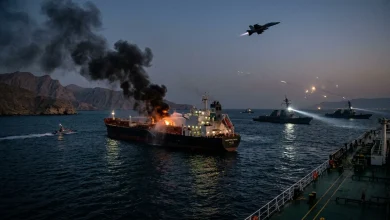
The conflict’s lethal trajectory began on March 1, 2026, when an Iranian kamikaze drone struck a civilian port facility in Kuwait. This devastating attack killed six American soldiers on the spot, marking the first combat fatalities of the war. The strike was launched in direct retaliation for high-seas clashes in the Strait of Hormuz, which had disrupted regional energy shipping.
The loss of six personnel in Kuwait immediately galvanized the U.S. administration, ending all diplomatic back-channel negotiations and setting the stage for the sustained aerial campaign that has continued throughout the spring and summer of 2026.
Saudi Arabia Air Base Fatality and Rising Wound Counts
On that same fateful day in March, another coordinated Iranian strike targeted the Prince Sultan Air Base in Saudi Arabia. A seventh American soldier was critically wounded in this assault. Despite intensive medical intervention, the soldier died more than a week later, raising the initial combat death toll to seven.
Since those opening salvos, the theater has expanded to include drone and missile barrages across multiple nations, including Bahrain, Kuwait, Jordan, and Iraq. In Iraq, a tragic refueling plane crash linked to active operational pressures claimed six more American lives, further compounding the military’s losses. Earlier in July, Navy pilot Commander Gabriel Edwards was found dead in the Arabian Sea following an emergency helicopter landing, which brought the death toll to 14 just before the latest Jordan strike.
Current Operational Impact of Regional US Strikes
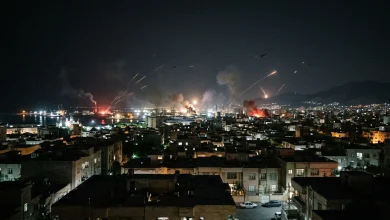
The operational scope of the latest U.S. strikes is aimed at entirely dismantling the IRGC’s regional launch capabilities. Western allied forces have concentrated their air power on coastal launch sites and have systematically bombed inland strategic command networks to disrupt the manufacturing and deployment of kamikaze drones.
However, the sustained nature of this high-intensity warfare is placing severe strain on military budgets currently experiencing severe logistical and financial strains due to delayed congressional appropriations. Defense experts warn that without additional emergency funding, maintaining this level of active defense and continuous regional deterrence could compromise long-term readiness elsewhere in the world.
Strategic Targets and Damage in Hormozgan and Beyond
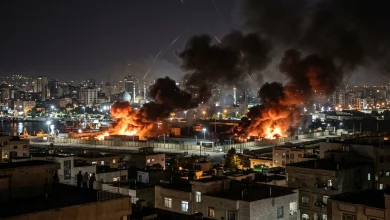
Reports from the Iranian state media indicate that the latest round of U.S. airstrikes heavily hit Hormozgan province, targeting port facilities, ammunition depots, and air defense radar networks. In the coastal town of Jask, strikes on power facilities and water desalination pumps cut off water supplies to more than 10,000 residents. While the Pentagon maintains that it takes every precaution to avoid civilian infrastructure, local Iranian officials claim that the strikes have resulted in several civilian casualties.
The IRGC Navy has reacted with defiance. The Navy Commander of the IRGC declared that the United States has “no option but to withdraw from the Gulf,” emphasizing that further escalation will only lead to more regional instability. This escalation is a stark departure from the peaceful progress seen during the release of high-profile political prisoners earlier this year, which many hoped would open a window to diplomacy.
Comparative Strategic Overview of Key Attacks
To better understand the scale and progress of this conflict, the following table summarizes the key military confrontations and corresponding casualties that have occurred since the outbreak of hostilities in early 2026:
| Date of Incident | Primary Target Location | US Casualty Statistics | Operational & Strategic Impact | |
|---|---|---|---|---|
| March 1, 2026 | Civilian Port, Kuwait | 6 Killed, multiple wounded | Initial kamikaze drone attack that escalated the regional conflict. | |
| March 1, 2026 | Prince Sultan Air Base, Saudi Arabia | 1 Killed (succumbed later) | Ballistic strike breaching air defense; died one week later. | |
| Late March 2026 | Operational Theater, Iraq | 6 Killed | Refueling plane crash linked directly to active combat operations. | |
| Early July 2026 | Arabian Sea Sector | 1 Killed | Death of Navy Pilot Cmdr. Gabriel Edwards after emergency landing. | |
| July 17, 2026 | Forward Military Base, Jordan | 2 Killed, 1 Missing, 4 Wounded | Triggered current extensive round of U.S. retaliatory strikes on Iran. | |
| Cumulative Totals | Multiple Regional Hubs | 16 Killed, 430+ Wounded, 1 Missing | Ongoing high-intensity campaign with heavy losses on both sides. |
Geopolitical Ramifications and Potential Diplomatic Trajectories
The geopolitical fallout of the Jordan attack and the subsequent U.S. strikes has reverberated throughout the global economy. Maritime shipping routes through the Persian Gulf remain highly volatile, compounded by unresolved disputes over maritime shipping corridors and transit fee proposals that have effectively halted commercial tanker operations. Energy markets are bracing for extended supply disruptions as the IRGC continues to threaten the closure of major shipping lanes.
Diplomatic efforts by European and regional intermediaries have stalled following Iran’s suspension of the MoU commitments. The refusal of President Trump to engage in further bilateral concessions suggests that the United States is fully committed to a military-first deterrence strategy. As both nations refuse to back down, the risk of a miscalculation on the high seas or in the airspace of sovereign nations like Jordan and Iraq remains dangerously high.