Strikes on Iran 2026: US Central Command Escalates Retaliation
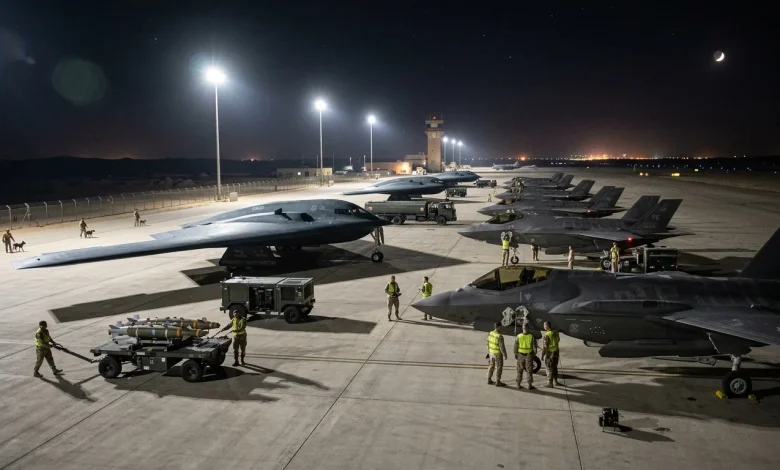
Table of Contents
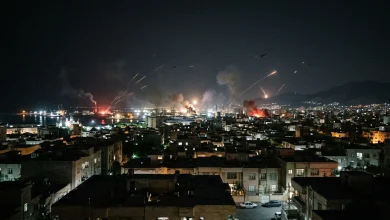
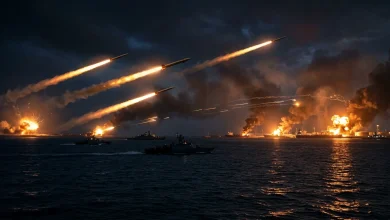
Strikes on Iran have entered an incredibly volatile phase, as US Central Command (CENTCOM) confirmed late Monday that a series of highly precise, devastating strikes were executed across key target areas. This intense military campaign represents the latest chapter in a rapidly spiraling conflict that threatens to engulf the entire Middle East. This latest barrage occurred just hours after President Donald Trump issued a stern warning to Tehran, declaring that the Islamic Republic would pay an ‘immense price’ for the tragic deaths of three US service members over the past several days. Iranian state media has reported massive explosions in multiple city centers and strategic military hubs, signaling that the joint efforts to suppress hostile operations are meeting fierce resistance. As the regional situation worsens, US planners are shifting gears toward a more expansive posture, moving heavy tactical assets to safeguard allied forces and counter asymmetric threats.
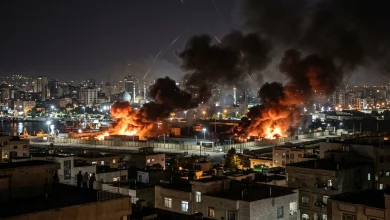
The strategic stakes have escalated following a sequence of events where the iran war escalates us strikes central region with unparalleled scale. Observers from Washington to Jerusalem agree that the initial scope of the campaign has transformed from selective retaliatory strikes into a wider theater-level conflict. The White House has made it clear that military action will continue unabated until all primary strategic objectives are met, which include dismantling the Islamic Revolutionary Guard Corps’ (IRGC) missile-launch capabilities and establishing an ironclad deterrent in the Persian Gulf. Local populations in major cities such as Tehran, Shiraz, and Isfahan have reportedly witnessed severe explosions, reflecting the severity of the aerial bombardment carried out by coordinated fighter squadrons. Despite calls for restraint from international bodies, both Washington and Tehran appear locked in an escalatory spiral that defies immediate diplomatic resolution.
Retaliating for Fallen US Service Members
The immediate catalyst for the late-Monday strike wave was the tragic deaths of three American service members deployed in support of logistics operations. According to official Defense Department briefings, the personnel were part of a crucial support unit when a series of hostile actions targeted installations in the region. The loss of life represents a deep tactical and political inflection point for President Donald Trump, who has frequently campaigned on avoiding ‘forever wars’ but has now found himself leading an intensive campaign designed to completely alter the strategic reality of the Middle East. President Trump stated in a national address that these fallen soldiers were true American patriots who paid the ultimate sacrifice, emphasizing that the United States would not rest until those responsible faced severe justice.
This development was further analyzed following reports where centcom confirms fatal strike on us forces, shedding light on the immense risks faced by frontline service members. Military commanders on the ground have indicated that the fluid security environment has prompted immediate counter-battery operations and defensive posture reviews. With public sentiment in the United States closely monitoring the situation, the White House has maintained that these strikes are not only retaliatory but are also preventative, aimed at taking out drone assembly sites, ballistic missile silos, and ammunition depots before they can be utilized against international forces. Pentagon officials have cautioned that while they seek to minimize casualties, the sheer density of hostile anti-aircraft batteries in western Iran means that additional engagements are highly probable.
A Chronology of Air Superiority and Defense Operations
Over the past week, the conflict has witnessed unprecedented operational tempos, where the u s airstrikes against iran eighth night of bombardment saw B-2 stealth bombers deployed deep inland to strike heavily fortified subterranean facilities. This calculated use of strategic bombers was designed to signal to regional adversaries that no underground command post or arsenal is beyond the reach of American military hardware. Analysts note that these multi-axis strikes have targeted Iranian air defense networks, specifically the Russian-made S-300 systems, to secure uncontested air superiority for subsequent operations. Iranian media reports have attempted to downplay the tactical impact, claiming that many interceptors successfully engaged incoming projectiles, though satellite imagery indicates significant destruction at primary airfields and logistics nodes.
This intense timeline reveals a continuous escalation loop, especially when reflecting on the preceding operations. For instance, the us military strikes iran for seventh consecutive night laid the groundwork by crippling long-range early warning radars along the Persian Gulf coast. These initial phases allowed joint US-allied forces to operate with a reduced threat of surface-to-air missile engagement. Furthermore, historical contexts like when the iran us conflict escalates after two us troops were targeted in earlier proxy skirmishes demonstrate that the current campaign has been building upon deep-seated tension. With each subsequent night of military action, the tactical parameters have shifted, pushing the region further away from established diplomatic frameworks and deeper into a formalized state of warfare.
Maritime Security and the Blockade of the Persian Gulf
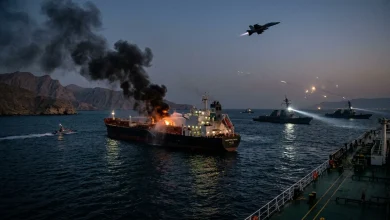
A key vector of this conflict lies in the maritime domain, where the u s blockade on iran strikes escalate in the gulf has effectively halted major shipping operations. This blockade has not only restricted Iranian naval assets but has also placed immense economic pressure on global oil markets. The Strait of Hormuz, long recognized as a critical global energy chokepoint, has become a highly militarized zone where commercial vessels are forced to navigate around naval mines, intercepted tankers, and active military patrols. Financial analysts have warned that a prolonged closure or disruption of this corridor could trigger a global energy crisis, with immediate spikes in crude prices already impacting domestic markets in the West. Strategic planners argue that the blockade is necessary to prevent the transport of advanced weaponry to proxy networks, but the economic collateral damage continues to mount globally.
Air Force Reinforcements and Forward Deployments
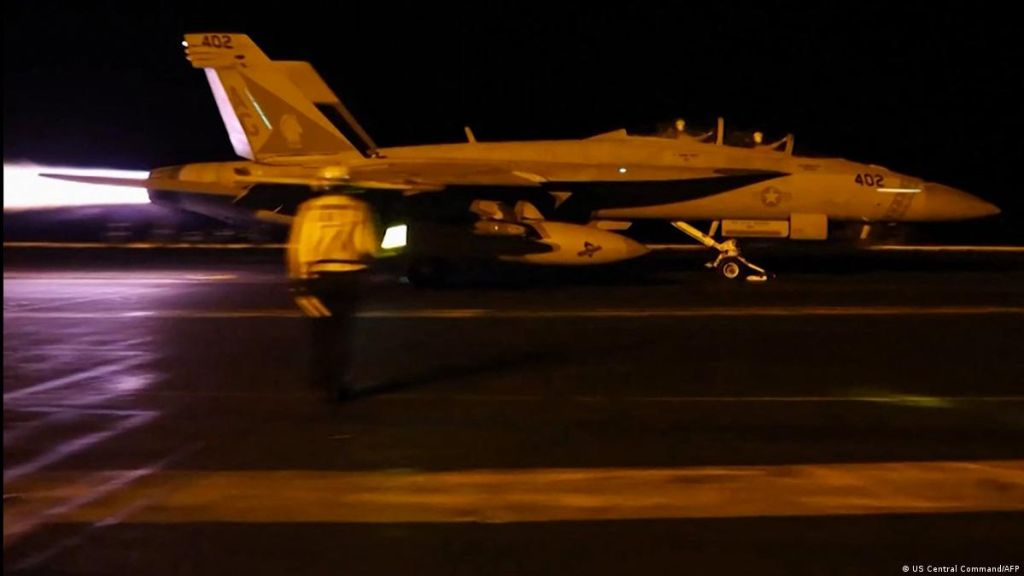
In response to the growing threat level and potential for a protracted campaign, the United States is rapidly expanding its combat footprint in the Middle East. A senior defense official confirmed that the Pentagon is authorizing the immediate deployment of dozens of advanced fighter jets, including F-35 Lightning IIs and F-15EX Strike Eagles, to forward operating locations. These aircraft will bolster existing squadrons and provide commanders with around-the-clock capabilities for precision strike missions and air-to-air combat. The arrival of these fighter assets is expected to dramatically increase the operational pressure on Iranian defensive networks, ensuring that any attempts to launch retaliatory ballistic missiles are met with immediate, overwhelming counter-strikes.
Logistical sustainability is the cornerstone of this massive air campaign. To support these additional fighter jets, a significant logistical pipeline has been activated. Dozens of US aerial refueling tankers, including KC-135 Stratotankers and KC-46 Pegasus aircraft, have already arrived in Israel and neighboring allied nations. An Israeli military source confirmed that these fuelers are still incoming, indicating that the coalition is preparing for high-intensity, long-range missions that require aircraft to remain airborne for extended periods. This level of logistical coordination highlights the seamless integration between US forces and regional allies, sending a clear message of unified resolve to adversaries across the region.
The Crucial Role of Israel and Regional Alliances
Israel has emerged as a central pillar in the joint strategy to neutralize threats emerging from Tehran. The arrival of dozens of US fuelers in Israel plays a major role in expanding the reach of the Israel Defense Forces (IDF) and US Air Force, enabling them to project power deep into western and central Iran. Israeli Prime Minister Benjamin Netanyahu has repeatedly signaled that Israel will not hesitate to take unilateral or joint action to ensure its security, and the current level of military synchronization reflects a shared strategic vision. Coordinated intelligence sharing has also allowed coalition forces to strike sensitive targets with pinpoint accuracy, minimizing civilian casualties while maximizing the degradation of military infrastructure.
This alliance has been put to the test as regional proxies, including Hezbollah and Houthis, attempt to open secondary fronts. Rocket and drone attacks launched from Lebanon and Yemen have kept Israeli and US air defense systems on high alert. The deployment of Aegis-equipped destroyers in the Red Sea and the integration of the Iron Dome, David’s Sling, and Arrow defense systems have largely mitigated these proxy threats, but the constant pressure underscores the complexity of this multi-theater conflict. As the coalition enhances its offensive posture, the focus remains on preventing a regional conflagration while systematically dismantle the threat structures that have destabilized the Middle East for decades.
Comparative Analysis of Military Engagements
To better understand the scale and evolution of the current conflict, it is essential to examine the different phases of military operations that have shaped the region since the escalation began. The table below outlines key metrics from the initial retaliatory phases up to the latest joint deployments, showing the progressive intensity of the air campaign.
| Combat Phase | Key Strategic Target Areas | Deployed Military Assets | Primary Tactical Objective |
|---|---|---|---|
| Early Retaliation | Coastal missile facilities, radar installations | F-15E Strike Eagles, naval cruisers | Neutralize anti-ship capabilities |
| Mid-Campaign Focus | IRGC command networks, proxy strongholds | B-2 Stealth Bombers, carrier strike groups | Disrupt command and control infrastructure |
| Escalation Retaliation | Deep inland airfields, subterranean depots | Joint strike fighters, stealth drone systems | Deter high-altitude ballistic missile launches |
| Current Deployment Wave | Western Iran corridors, logistics nodes | Fighter jet reinforcements, aerial fuelers | Maintain sustained regional dominance |
Understanding the Global Geopolitical Shift
The current conflict is not merely a regional skirmish but a transformative event that has fundamentally reordered international relations. Many scholars and foreign policy experts argue that this 2026 iran war how regional conflict redefined the global balance of power, forcing major world powers to reevaluate their security alliances and economic dependencies. European nations, heavily reliant on Middle Eastern energy imports, find themselves caught between supporting their traditional Western allies and managing the immediate economic consequences of the rising energy costs. Meanwhile, competitors like China and Russia are closely monitoring the conflict, seeking opportunities to expand their influence in the vacuum left by shifting alliances.
The long-term economic implications of this conflict are also beginning to manifest globally. Supply chains, already strained by years of geopolitical tensions, are facing severe bottlenecks as shipping routes are diverted around Africa to avoid the highly contested waters of the Red Sea and the Persian Gulf. Insurance rates for commercial vessels have skyrocketed, further driving up the costs of global trade. These economic pressures, combined with the potential for sudden escalations, have created an environment of profound uncertainty, leaving global markets on edge as the international community watches to see how the conflict will resolve.
The Path Forward: Diplomatic Deadlocks and Truce Failures
As military operations intensify, the prospects for a diplomatic breakthrough appear increasingly remote. Recent diplomatic efforts have repeatedly stalled, and many fear that the iran us conflict truce collapses as trump warns of further severe action, leaving little room for negotiation. The collapse of these temporary ceasefires has been met with mutual recriminations, with Washington accusing Tehran of bad-faith negotiations and Tehran claiming that the US-Israeli strikes are an existential threat that must be met with armed resistance. International mediators, including the United Nations and several European and Gulf Arab states, continue to advocate for a return to the negotiating table, but their efforts have yielded little progress in the face of uncompromising stances from both sides.
The central sticking point remains the demands of the opposing sides. Washington has insisted on the complete dismantling of Iran’s ballistic missile programs, a cessation of support for regional proxy networks, and verified steps toward leadership reform. Tehran, on the other hand, demands an immediate halt to all air strikes, the lifting of all economic sanctions, and the withdrawal of US forces from the region. With both sides viewing the conflict as a zero-sum struggle for regional dominance, the military campaign is likely to continue, with the potential for further escalations that could drag additional regional actors into the conflict.