US military strikes Iran for seventh consecutive night 2026
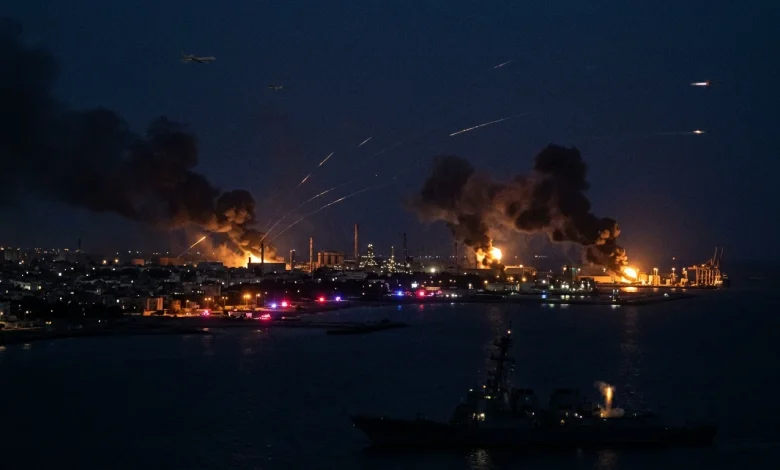
Table of Contents
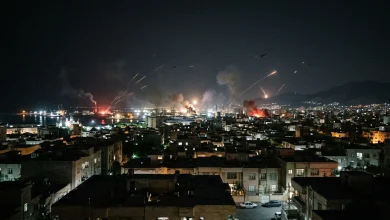
US military strikes against Iran reached a critical operational milestone tonight as Central Command (CENTCOM) confirmed the completion of its seventh consecutive night of precision air and naval bombardments across the Persian Gulf region. The strikes, which concluded at approximately 9:30 p.m. ET, represent a relentless campaign authorized under direct executive orders to degrade the offensive and defensive structures of the Islamic Revolutionary Guard Corps (IRGC). These events build directly upon the preceding airstrikes against Iran, underscoring a dramatic escalation in regional deterrence strategy and marking one of the most sustained American aerial campaigns in the Middle East in recent memory. By executing consecutive waves of nightly operations, Washington aims to establish a dominant posture that denies Iran the capability to project asymmetric power against international shipping routes.
The current phase of conflict indicates that the strategic patience of the United States and its regional allies has reached a breaking point. CENTCOM officials emphasized that these military actions are not isolated events but form part of a unified, multi-day strategy designed to systemically dismantle Iran’s forward-deployed maritime assets and domestic storage capabilities. While the Pentagon maintains that the operations are defensive and intended to restore freedom of navigation, regional analysts warn that the sheer frequency and intensity of the strikes have pushed the entire region closer to an all-out war.
The Seventh Night of Strategic Retaliation
The operational tempo maintained by the United States over the past week reflects a deliberate effort to keep Iranian air defenses overwhelmed. Military strategists point out that conducting seven consecutive nights of strikes requires a massive logistical pipeline and constant reconnaissance to assess battle damage and select new target sets. By striking at 9:30 p.m. ET, U.S. forces utilized the cover of darkness over the Persian Gulf (where it was early morning local time) to maximize tactical surprise and minimize the effectiveness of Iranian ground-based interceptors.
This sustained pressure is designed to prevent Iran from consolidating its forces or repairing damaged infrastructure between attack waves. Following the highly publicized sixth night of U.S. strikes, CENTCOM commanders authorized immediate follow-up missions to neutralize secondary targets that had been identified by aerial surveillance. This continuous cycle of reconnaissance, targeting, and execution has severely strained the IRGC’s command-and-control networks, leaving local commanders isolated and struggling to coordinate a unified defensive response.
Breakdown of Targets and Military Assets Utilized
The geographical footprint of the latest strikes spans several provinces in southern and central Iran, illustrating the comprehensive nature of the air campaign. CENTCOM’s brief press release confirmed that the operations targeted four main categories of military assets: surveillance sites, logistics infrastructure, underground weapons storage, and maritime capabilities. To execute these complex strikes, a diverse array of advanced American military hardware was deployed across the theater.
Surveillance and Logistics Sites
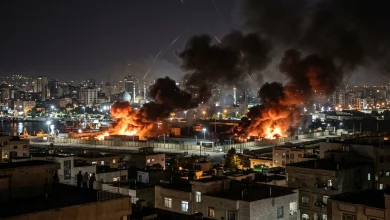
Disrupting Iran’s early-warning capabilities has been a primary objective of the coalition’s campaign. In the latest wave of strikes, precision-guided munitions disabled radar installations and intelligence monitoring stations near the port city of Bandar Abbas and on the highly strategic islands of Qeshm and Larak. By blinding these surveillance sites, the U.S. military has significantly reduced Iran’s ability to track allied naval movements in the Strait of Hormuz. Additionally, strikes targeted military logistics hubs, including fuel depots and transport networks, to prevent the replenishment of forward-deployed forces. While Tehran reported multiple deaths and heavy damage to transport lines, the U.S. Defense Department maintained that all targets were of strict military utility.
Underground Weapons Storage
A major focus of the seventh night of strikes was Iran’s heavily fortified underground weapons storage facilities. Often referred to as “missile cities,” these deeply buried bunkers house thousands of precision-guided ballistic missiles and combat UAVs. U.S. forces utilized specialized heavy ordnance, including bunker-buster bombs, to penetrate the thick concrete layers protecting these subterranean complexes. Neutralizing these assets is deemed essential to preventing Iran from launching large-scale missile salvos against American bases in the region or commercial tankers transiting international waters.
Warships, Drones, and Fighter Jets
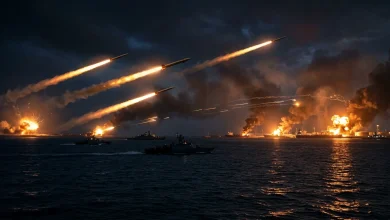
The execution of the strikes relied on a highly integrated network of air and naval platforms. Fighter aircraft, including F/A-18 Super Hornets and F-35 Lightning IIs, launched from aircraft carriers stationed in the Arabian Sea and land bases across the region. These piloted aircraft worked in tandem with armed aerial drones, such as the MQ-9 Reaper, which provided real-time target acquisition and conducted precision strikes with Hellfire missiles. Meanwhile, Navy warships, including guided-missile destroyers operating in the Gulf of Oman, provided cruise missile support, launching Tomahawks to strike high-value targets deep within Iranian territory.
Enforcing the Naval Blockade: A Maritime Chokepoint
Parallel to the air campaign, the United States has intensified its economic and physical containment of Iran by enforcing a rigorous naval blockade. The blockade, a major component of the escalating conflict in the Gulf, represents a severe economic chokehold designed to halt all maritime traffic entering or exiting Iranian ports. Originally initiated earlier this year, the blockade was resumed this week with an expanded mandate to search, redirect, or disable any vessel attempting to bypass the maritime exclusion zone.
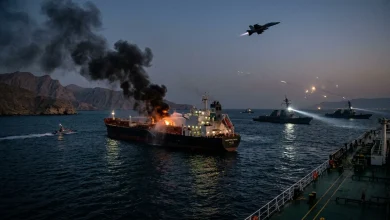
By reimposing severe port bans, Washington is forcing international shipping lines to bypass Iranian coastal waters entirely. The operational reality of this blockade was vividly demonstrated when U.S. Marines conducted a high-stakes, ship-boarding mission. Elite maritime forces boarded the oil tanker M/T Wen Yao in the Gulf of Oman to verify cargo documentation and ensure compliance with the exclusion mandate. According to CENTCOM, several commercial vessels attempting to run the blockade have already been intercepted and redirected to neutral ports, signaling a zero-tolerance policy for maritime defiance.
The Strategic Context of the Strait of Hormuz
The primary theater for this explosive military confrontation remains the Strait of Hormuz, a narrow maritime corridor through which roughly one-fifth of the world’s petroleum consumption passes daily. The current naval strategy hinges on the reinstatement of strict measures in the Strait of Hormuz, aimed at crippling Iran’s oil export capacity and preventing the transport of illicit weaponry to regional proxy groups. The absolute closure of this passage would trigger immediate, severe shocks to the global energy market, a reality that both Washington and Tehran are attempting to leverage to their advantage.
This maritime flashpoint is the epicenter of the ongoing Strait of Hormuz crisis, which has threatened to drag multiple international superpowers into the conflict. It is clear that these US strikes target key ports to permanently disrupt the IRGC Navy’s ability to deploy fast-attack craft and lay naval mines in these congested waters. By keeping the strait open for non-Iranian commercial traffic while blockading Iran’s domestic shipping, the U.S. Navy is attempting to isolate Tehran economically without completely shutting down global energy supply lines.
Comparative Analysis of US Strikes on Iran
To understand the sheer scale of the current military campaign, it is useful to compare the different phases of the U.S. naval blockade and the accompanying strike operations. The table below outlines the core differences between the initial maritime containment phase and the highly aggressive, multi-front campaign being waged today.
| Feature | Blockade Phase 1 (April 13 – June 18, 2026) | Blockade Phase 2 (July 14, 2026 – Present) |
|---|---|---|
| Initiation Mandate | Established under direct executive order following regional maritime disruptions. | Re-established following collapse of the summer truce and renewed mutual strikes. |
| Vessel Interceptions | Over 140 compliant vessels redirected; 9 non-compliant ships disabled. | Ongoing boarding operations (e.g., M/T Wen Yao) and redirection of blockade runners. |
| Military Tempo | Primarily passive maritime containment punctuated by periodic warnings. | Highly active campaign supported by consecutive nights of heavy air and naval strikes. |
| Primary Strategic Goal | Leverage economic pressure to bring Tehran to the diplomatic negotiating table. | Systematic degradation of IRGC logistical, surveillance, and offensive capabilities. |
The Broader Geopolitical Fallout
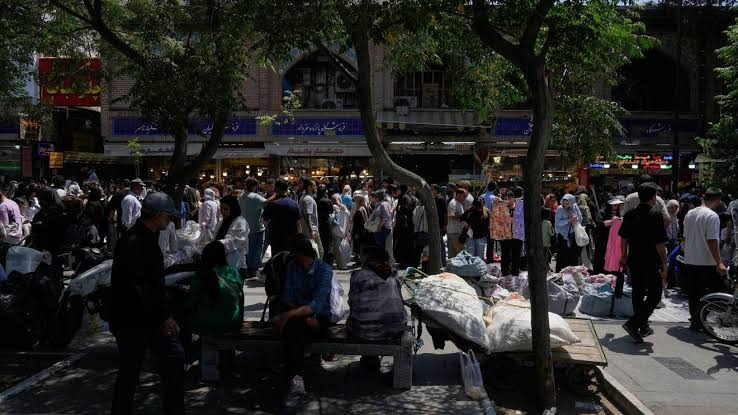
The seventh consecutive night of strikes has triggered immediate and volatile reactions across the Middle East. Tehran has warned that its military forces will transition to a “full-scale offensive” if the U.S. attacks persist. Mohsen Rezaei, a senior military adviser to Iran’s leadership, declared that no political borders in the region would be considered secure if Washington continues its aerial assaults. Rezaei emphasized that Iran would seek both military retribution and financial compensation for what it describes as widespread damage to civilian transportation networks and public utility systems.
Impact on Regional Maritime Security
The threat to regional maritime security is at an all-time high, with the IRGC Navy warning of a “zero hour” where it may initiate unrestricted warfare against hostile targets. Concurrently, claims emerged from Tehran that two commercial oil tankers caught fire after striking naval mines in the Strait of Hormuz. While U.S. Central Command quickly dismissed these claims as fabrications designed to spread panic in international markets, the reports underscore the fragile state of navigation in the region’s shipping lanes.
Tehran’s Official Reaction and Defense Postures
In response to the U.S. operations, Iranian forces launched a coordinated wave of retaliatory strikes utilizing ballistic missiles and kamikaze drones. These counter-attacks targeted American bases and allied installations across several Middle Eastern nations, including Prince Sultan Air Base in Saudi Arabia, Muwaffaq Salti Air Base in Jordan, and military depots in Kuwait and Bahrain. Host nations have raised their security alerts to the highest level, with Kuwait deploying Patriot missile systems to intercept incoming threats and protect vital infrastructure from falling debris.
Escalation Dynamics and Future Implications
As both the United States and Iran dig in their heels, diplomatic channels have virtually collapsed. The failure of the brief summer truce has left military action as the primary driver of policy in the region. Pentagon officials remain resolute, stating that the U.S. military is fully prepared to maintain its high operational tempo. With over 50,000 American service members stationed across the Middle East on full alert, the potential for a miscalculation remains dangerously elevated.
Whether this unprecedented air and naval campaign succeeds in forcing Tehran to the negotiating table or triggers a catastrophic regional war remains to be seen. What is certain is that the physical and economic landscape of the Persian Gulf has been fundamentally altered, and the coming days will be critical in determining the future of Middle Eastern security.