Iran war: Trump forecasts end as Hormuz blockade bill looms 2026
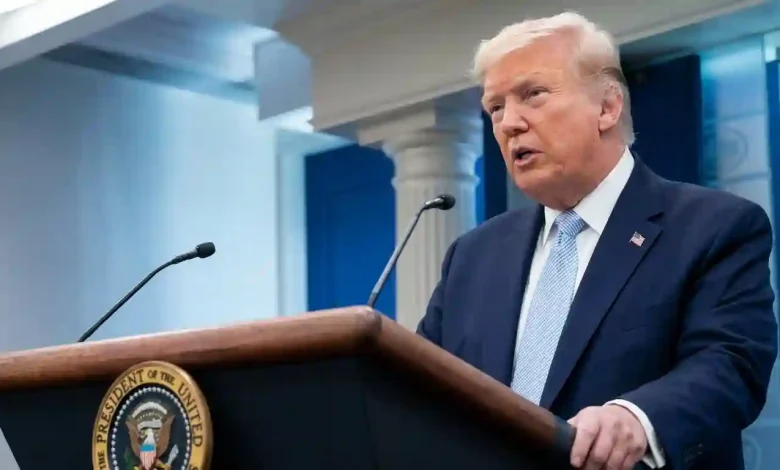
Table of Contents
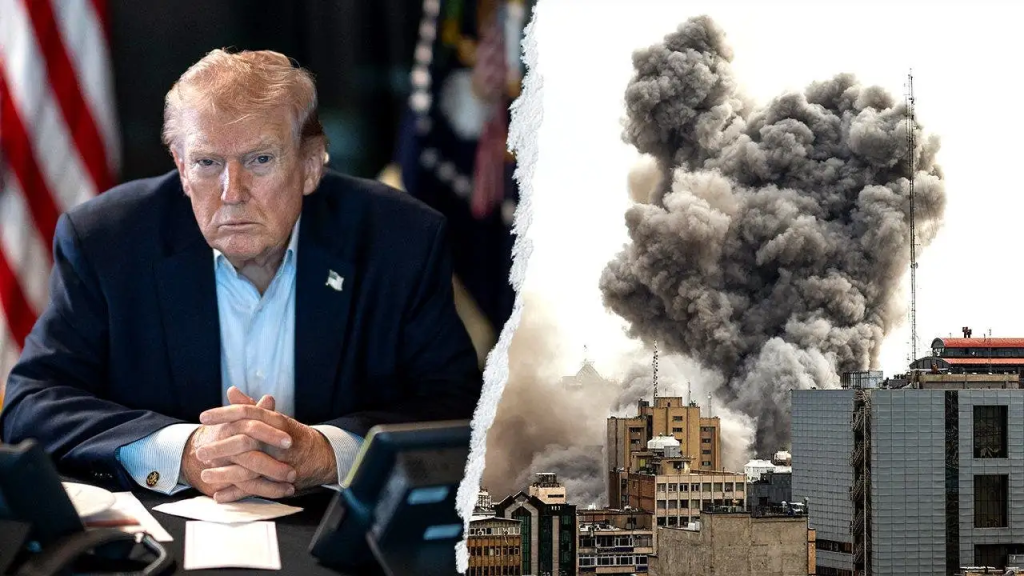
Iran war dynamics took a dramatic turn on Thursday as United States President Donald Trump expressed strong confidence that the ongoing military and economic standoff is rapidly nearing its end. Speaking directly to reporters in the Oval Office, Trump delivered a highly optimistic assessment of the situation, promising American consumers and the global market that petrol prices will drop significantly once the hostilities are officially resolved. However, this upbeat perspective contrasts sharply with legislative developments in Tehran, where the Iranian parliament is actively considering a highly restrictive naval transit bill. According to reports from Iran’s Fars news agency, which cited an unnamed lawmaker, an Iranian parliamentary committee is currently reviewing a preliminary draft that would legally prohibit military and commercial vessels belonging to the United States, Israel, and other designated “hostile” nations from transiting through the strategic shipping lanes of the Persian Gulf.
Introduction
This stark divergence between Washington’s rhetoric of imminent peace and Tehran’s legislative preparation for a prolonged blockade highlights the complex, multi-layered nature of the current conflict. The war, which has disrupted international maritime trade and severely strained global supply chains, now sits at a critical geopolitical crossroads. On one hand, the United States is signaling that economic and military pressures have pushed Iran to the brink of financial exhaustion, paving the way for a rapid diplomatic breakthrough. On the other hand, the Islamic Republic is continuing to leverage its unique geographical control over the world’s most critical energy chokepoint to force concessions from the West, refusing to back down in the face of intense economic isolation.
Donald Trump’s Optimistic Outlook on Ending the Conflict
Addressing the press on Thursday evening, President Trump was unequivocal in his belief that the military confrontation is entering its final stages. “I think it’s going to end pretty soon. I don’t think they can go much longer,” Trump told reporters, referring to the heavy financial and infrastructure toll the war has extracted from the Iranian state. He suggested that active negotiations are progressing behind the scenes, asserting that “we’re doing fine” in terms of reaching an understanding that would normalize maritime transit and de-escalate tensions. The president’s statements appear designed to reassure an increasingly skeptical domestic audience, particularly as public discontent over the prolonged conflict continues to mount ahead of crucial upcoming congressional elections.
This sudden pivot toward optimism comes after several weeks of intense military signaling. Observers note that this strategic shift occurred shortly after a tense weekend during which President Trump considers massive strikes against Iranian coastal infrastructure but ultimately decided to pause major kinetic actions in hope of securing a swift diplomatic compromise. By highlighting the prospect of an imminent peace deal, the White House is seeking to stabilize highly volatile domestic energy markets and project administrative strength in managing complex foreign policy crises.
Petrol Prices and Global Economic Fallout
One of the primary drivers of domestic anxiety regarding the war has been the severe impact on consumer fuel costs. Throughout the summer of 2026, the global energy supply chain has been crippled by the virtual shutdown of commercial traffic through the Persian Gulf, leading to historic spikes in international oil benchmarks. The conflict has sent massive shockwaves through the global marketplace, culminating in severe U.S. economic shockwaves as oil prices soared past $100 per barrel and domestic petrol prices hit unprecedented highs. Trump’s promise that petrol prices will plummet upon the war’s conclusion is a direct appeal to voters who have felt the pinch of energy inflation at the pump.
Market analysts warn, however, that a simple declaration of peace will not instantly repair the heavily damaged energy infrastructure of the Middle East. Insurance premiums for merchant vessels transiting the region remain at prohibitive levels, and the physical threat of naval mines and drone strikes has fundamentally altered commercial shipping routes. Many shipping conglomerates have permanently rerouted their tankers around the Cape of Good Hope, a costly detour that adds weeks to transit times and guarantees that global energy prices will remain elevated for the foreseeable future, even if a ceasefire is formally signed tomorrow.
The Strait of Hormuz Blockade Bill
While Washington projects confidence, Tehran is formalizing its control over the region’s primary maritime corridor. Citing sources close to the Iranian parliamentary committee, Fars news agency reported that lawmakers are aggressively pushing a preliminary bill designed to institutionalize the blockade. With the blockade of the waterway, the flow of commercial oil tankers has slowed to a crawl, transforming the Strait of Hormuz into the most volatile maritime choke point on Earth. Under the proposed legislation, any vessel classified as representing a “hostile” nation would be barred from transiting the strait, with severe penalties—including the confiscation of cargo worth up to one-fifth of the vessel’s value—imposed on violators.
This legislative step is a clear warning to Western allies that Iran is prepared to legally and militarily defend what it views as its sovereign maritime domain. By creating a domestic legal framework for the blockade, Tehran is attempting to legitimize its naval interdictions under Iranian law, creating a permanent hurdle for international maritime transit. The move is also intended to give Iranian negotiators additional leverage in ongoing backchannel talks, signaling that any permanent resolution must include the total lifting of economic sanctions before normal shipping can resume.
Defining ‘Hostile Vessels’ under the Legislative Draft
According to the leaked details of the preliminary bill, the definition of “hostile vessels” extends far beyond military warships. The draft reportedly targets any commercial cargo ships, oil tankers, or support vessels flying the flags of, or owned by corporations based in, the United States, Israel, and any international coalition partners participating in naval escort operations in the Gulf. Tehran’s legislative maneuvers reflect the ongoing dynamic of how Iran confronts Trump’s administration with a mix of asymmetrical defense tactics and diplomatic standoffs, using both legislative acts and naval force to counter Western pressure.
| Strategic Issue | United States Objectives & Position | Iranian Objectives & Position |
|---|---|---|
| Strait of Hormuz Transit | Demands unimpeded international passage for all commercial vessels under international maritime law. | Asserts sovereign regulatory control; seeks to bar “hostile” Western and Israeli vessels. |
| Sanctions & Economy | Uses maximum economic pressure to force compliance and restrict Iran’s regional influence. | Demands the immediate and total lifting of all economic and financial sanctions. |
| Negotiation Status | Claims progress in direct and indirect bilateral communication channels. | Denies direct bilateral talks; relies exclusively on Omani mediation. |
| Military Presence | Maintains carrier strike groups and naval escorts to guarantee freedom of navigation. | Demands the complete withdrawal of all foreign military forces from the Persian Gulf. |
Under current operations, the Islamic Revolutionary Guard Corps (IRGC) Navy has already implemented a selective transit system, requiring passing ships to request explicit permission and, in some cases, pay steep transit fees. The codification of this system into federal law would represent a major escalation, turning a de facto wartime blockade into a de jure permanent policy. This has sparked intense concern among international legal scholars, who argue that the Strait of Hormuz is an international strait where transit passage cannot be suspended or restricted under the United Nations Convention on the Law of the Sea (UNCLOS).
Oman’s Mediatory Role and Technical Shipping Coordinates
Despite the aggressive rhetoric on both sides, active diplomatic channels remain open, primarily facilitated by the Sultanate of Oman. On Thursday, Iranian and Omani officials announced they had reached a preliminary agreement on specific technical coordinates for shipping routes through the strait. These parameters have formed the technical baseline of what both nations hope could eventually materialize into a formal Strait of Hormuz deal. The technical agreement aims to establish a designated safe transit corridor for non-hostile commercial vessels, reducing the risk of accidental military clashes between Iranian coastal batteries and international warships.
Diplomatic experts view the Muscat discussions as a vital stepping stone, noting that any Iran-Hormuz deal advance must satisfy both Iran’s sovereignty assertions and international freedom of navigation. While the United States is not a direct signatory to this technical agreement, Washington has reportedly been briefed on the coordinates by Omani intermediaries. The hope is that by establishing a mutually agreed-upon framework for shipping, both sides can build the necessary trust to transition into broader political talks aimed at ending the war entirely.
Conflicting Statements: Direct vs. Indirect US-Iran Channels
A major point of contention in recent days has been the nature and format of the negotiations themselves. While President Trump has repeatedly claimed that he is directly involved in highly productive discussions with representatives from Tehran, the Iranian Foreign Ministry has issued swift and absolute denials. Spokesperson Esmail Baqaei stressed that Iran is not engaged in any direct negotiations with the United States, nor are they communicating through American intermediaries. Tehran insists that its only active dialogue is with Oman, focusing exclusively on the technical management of the Strait of Hormuz rather than a comprehensive peace package with Washington.
This public disagreement over the format of the talks reflects the deep political sensitivity of the conflict. For the Iranian leadership, engaging in direct talks with the Trump administration without prior sanctions relief is politically untenable. Consequently, they must frame all diplomatic progress as localized coordination with regional partners like Oman. Meanwhile, the White House benefits politically from portraying the situation as a direct negotiation, showcasing Trump’s personal deal-making capabilities to the American public.
Military Logistics and Weapon Shortage Constraints
While the diplomatic maneuvering continues, military realities on the ground may be the true driving force behind the sudden push for peace. Military intelligence reports suggest that both the United States and its regional allies are facing significant logistical strains. While military commanders have occasionally observed temporary Iran war conflict pauses, these lulls have often been used by both sides to regroup and fortify their positions. Western defense analysts have noted that the high rate of interceptor missile consumption during the conflict has severely depleted regional stockpiles, creating vulnerabilities in global defense postures.
The conflict, which has persisted for months, marked major shifts in maritime policy, notably on Iran war day 154 when regional alliances were tested under intense blockade conditions. As the physical costs of maintaining a massive naval escort force in the Gulf continue to rise, both Washington and Tehran are beginning to realize that a military victory is highly unlikely. This operational fatigue has created a strategic window where both nations are incentivized to find an honorable exit strategy, even as they continue to project maximum hostility in public.
Regional Geopolitics and Long-term Security Realignment
The ultimate resolution of this crisis will have profound implications for the future security architecture of the Middle East. If the Iranian parliament successfully passes the Hormuz transit bill, it could establish a dangerous precedent, allowing regional powers to unilaterally restrict global shipping lanes under the guise of national security. Conversely, if a comprehensive peace deal is reached, it could lead to a historic diplomatic realignment, potentially paving the way for a broader regional security framework that includes both Gulf Arab states and the Islamic Republic.
For now, the international community remains in a state of suspended apprehension. Global markets are reacting to every statement, with oil futures fluctuating wildly between optimism over Trump’s promises of cheap petrol and fear over Iran’s legislative blockade threats. As the diplomatic talks in Muscat continue, the coming weeks will determine whether the war on Iran is indeed entering its final chapter, or if the world is about to witness a permanent, legalized closure of the most critical energy corridor on earth.