Strait of Hormuz deal: Donald Trump Claims US-Iran Agreement Close 2026
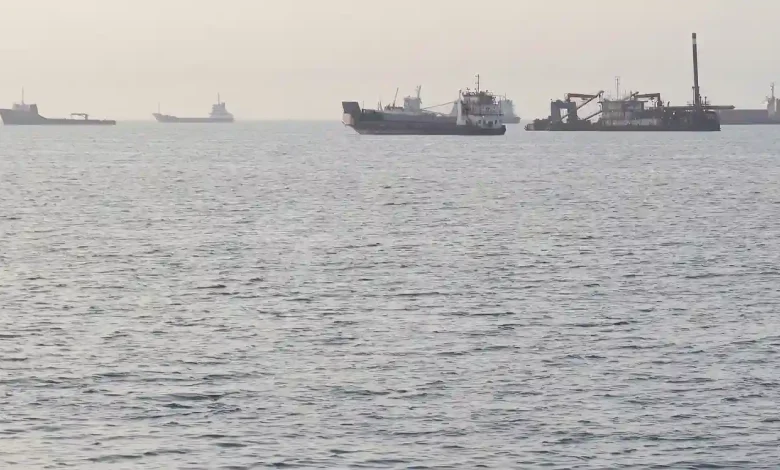
Table of Contents
Strait of Hormuz deal: Introduction to the Crisis
Strait of Hormuz deal negotiations have taken center stage as President Donald Trump announced that a dramatic breakthrough with Iran could happen ‘tomorrow or the next day’ to reopen one of the world’s most critical maritime corridors. This diplomatic opening emerged shortly after Trump halts planned strikes on Iran, pivoting instead toward a negotiated resolution. While traveling in California on Tuesday evening, Trump told reporters that negotiators ‘had a very good day’ and that significant progress had been achieved. Trump’s optimistic statements follow discussions held during a high-stakes Cabinet meeting at Camp David, where national security officials debated the feasibility of a maritime compromise. As the global economy remains strained by the prolonged closure of the shipping lane, international observers are watching closely to see if this represents a true de-escalation or another volatile shift in U.S. foreign policy.
Background of the Strait of Hormuz Conflict in 2026
The current crisis erupted on February 28, 2026, when full-scale maritime hostilities broke out, shutting down the Strait of Hormuz—a narrow waterway through which approximately 20% of the world’s petroleum liquids flow. Following a brief, unstable ceasefire brokered by Pakistan in April, fighting resumed with intensity in early July. The urgency of these diplomatic efforts was underscored by a prior global warning issued by the U.S. State Department warning Americans of heightened retaliatory risks. Under pressure from economic sanctions and military patrols, Tehran tightened its grip on the waterway, aiming to establish unprecedented administrative control and levy toll fees on passing vessels—authority it never claimed before the outbreak of the war.
The Economic Impact of the Blockade
The blockade of the Strait of Hormuz has had a devastating impact on global supply chains. Energy prices spiked dramatically, causing domestic fuel costs in the United States to climb and creating massive inflationary pressures worldwide. This shift toward diplomacy is partly driven by domestic fiscal concerns, as the rising costs of the Iran war have generated significant political friction in Washington. With shipping companies forced to reroute vessels around the Cape of Good Hope, transit times and cargo insurance premiums reached historic highs, creating a powerful incentive for both Washington and regional powers to find an immediate diplomatic exit.
Donald Trump’s Dramatic Claims: Reaching an Agreement
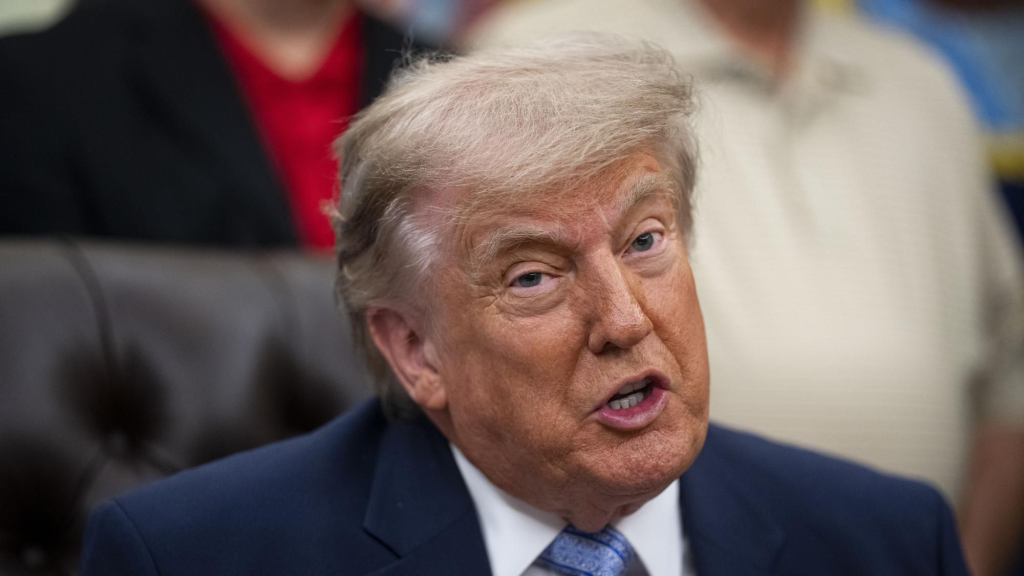
President Trump’s sudden pivot toward an optimistic diplomatic resolution has surprised both allies and adversaries. Only days prior, the administration was openly considering massive strikes on Iranian infrastructure if maritime hostilities continued to escalate. On Monday, Trump struck a firm tone, telling reporters that the U.S. would not permit Iran to extract transit fees from international shipping, declaring, ‘Anybody’s going to charge, we’ll charge’. Yet by Tuesday evening, his rhetoric shifted to reconciliation, promising that a deal was nearly finalized and asserting that gas prices would soon plummet ‘into the threes and maybe the twos’ per gallon as a direct result of reopening the strait.
The Diplomatic Role of Oman and Indirect Negotiations
Oman has once again stepped into its traditional role as a diplomatic backchannel between Washington and Tehran. Under the emerging framework, Oman has proposed a dual-management system designed to satisfy the security requirements of all parties. According to the Associated Press, the proposal would grant Iran control over the coordinate routes for vessels entering the Persian Gulf, while Oman would manage the exit lanes. This compromise is intended to allow Iran to claim a political victory domestically while assuring the international community of safe transit. However, U.S. officials have continued to insist that any arrangement must guarantee absolute freedom of navigation without coercive economic tolls.
Contradictory Statements: Washington’s Optimism vs. Tehran’s Public Denial
Despite the positive rhetoric coming from the White House, the actual state of negotiations remains shrouded in contradiction. On Monday, Iran denied any peace talks with the U.S., with its Foreign Ministry claiming that discussions are strictly limited to Omani mediation. Iranian spokesperson Esmaeil Baghaei emphasized that Tehran does not recognize direct talks with Washington and remains focused on securing its maritime rights. Trump fired back on social media, labeling the Iranian leadership ‘unbelievably duplicitous’ and insisting that talks are, in fact, happening behind closed doors. This disconnect highlights the immense domestic political risks both leaderships face as they attempt to negotiate a compromise without appearing weak to their respective hardline constituencies.
Summary of Key Developments in the 2026 Strait of Hormuz Crisis
To better understand the trajectory of this fast-moving crisis, the following table summarizes the key milestones, oil price fluctuations, and diplomatic status throughout the 2026 conflict:
| Date | Key Event | Impact on Oil Prices | Diplomatic Status |
|---|---|---|---|
| February 28, 2026 | Outbreak of hostilities and closure of the Strait | Rocketed above $120 per barrel | Diplomatic channels frozen |
| April 8, 2026 | Mediation by Pakistan leads to a temporary ceasefire | Stabilized briefly around $95 | Temporary agreement reached |
| July 8, 2026 | Trump ends the ceasefire; blockade is reinstated | Spiked back to recent highs | Talks collapsed entirely |
| Late July 2026 | Oman begins active mediation efforts | Gradual downward trend | Backchannel talks established |
| August 5, 2026 | Trump announces imminent deal is close | Fell below $80 per barrel | Interim agreement nearing finalization |
Strategic and Military Realities Behind the Diplomatic Push
The intense push for a diplomatic settlement is not merely a product of economic anxiety; it is deeply tied to the hard military realities on the ground. By the time the military campaign had reached its 149th day, both nations were displaying visible signs of operational and logistical exhaustion. The prolonged deployment of naval assets in the Gulf has strained logistics, and the continuous exchange of drone and missile strikes has placed immense pressure on defense systems across the Middle East. While hardliners on both sides have advocated for continuing the conflict, senior military commanders have quietly warned that an endless war of attrition benefits neither nation.
Depleted Missile Stockpiles and Military Exhaustion
Among the most pressing concerns for U.S. military planners is the state of long-range precision munition stockpiles. Reports from defense analysts suggest that months of intense operations have significantly drawn down inventories of key tactical weapons. While Defense Secretary Pete Hegseth has publicly dismissed these concerns, maintaining that U.S. readiness remains uncompromised, the strategic reality has undoubtedly influenced the administration’s willingness to pursue a diplomatic resolution. For Iran, the economic toll of maintaining high-alert military postures while under a strict naval blockade has similarly created an urgent need for relief.
Geopolitical Reactions and Global Economic Implications
As the escalating conflict entered day 153, regional observers warned that a failure to secure the shipping lane could plunge the global economy into a deep recession. The mere prospect of a deal on the Strait of Hormuz has already sent shockwaves through international markets, with Brent crude immediately dropping to around $80 per barrel. Energy-importing nations, particularly in Europe and Asia, have strongly welcomed the mediation efforts by Oman. A permanent reopening of the strait would not only stabilize energy markets but could also serve as a foundational stepping stone toward broader negotiations, including a potential return to discussions surrounding Iran’s nuclear program.
Conclusion: Is a Lasting Peace in Sight?
The situation in the Strait of Hormuz remains highly fluid. While President Trump’s optimistic declarations have provided a much-needed reprieve for global markets, history suggests that any agreement with Iran is fragile and subject to sudden collapse. The coordinate-sharing agreement between Tehran and Muscat is a positive step, but the fundamental issues—including freedom of navigation, toll collection, and the underlying nuclear dispute—remain unresolved. Whether this moment represents the beginning of a lasting peace or merely a temporary pause in a larger conflict will depend on the final terms of the deal and the willingness of both Washington and Tehran to adhere to them in the coming weeks.