Strait of Hormuz Deal: Donald Trump Claims Major Breakthrough with Iran 2026
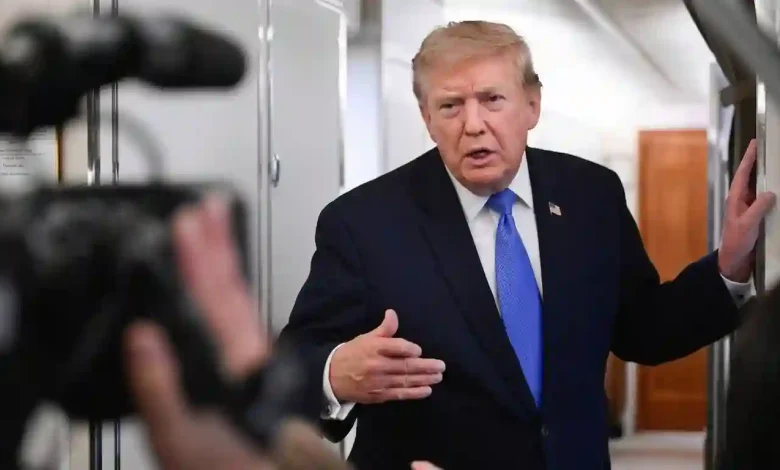
Table of Contents
Strait of Hormuz deal discussions have taken a dramatic turn as US President Donald Trump announced that an agreement to reopen the vital shipping corridor is close to reality. The geopolitical landscape of West Asia has been on a knife-edge since early 2026, when intense conflicts erupted between the United States, Israel, and Iran. Following months of devastating military exchange, blockades, and regional instability, a glimmer of hope has emerged. On August 5, 2026, President Trump made a startling public declaration, suggesting that a major breakthrough was imminent. Trump claimed that the U.S. and Iran, with the active mediation of regional partners like Oman, are on the verge of finalized arrangements. This diplomatic pivot marks a stark departure from the aggressive posturing that characterized previous weeks, raising questions about whether this sudden development will lead to a durable peace or merely a temporary tactical pause.
Introduction to the Looming Diplomatic Realignment
The conflict between the United States and Iran in 2026 has been one of the most intense maritime crises in modern history. Sparked by joint U.S. and Israeli airstrikes under Operation Epic Fury in late February, the war quickly shut down the Strait of Hormuz, throwing global energy markets into absolute chaos. For months, the international community has watched as low-intensity skirmishes, economic blockades, and periodic ceasefires failed to deliver long-term stability. Now, however, the possibility of a finalized Strait of Hormuz deal has captured the attention of international markets, signaling that both nations may be seeking a face-saving exit ramp.
The Crux of the Strait of Hormuz Deal Claims
President Donald Trump, traveling in California on Tuesday, told reporters that “a lot of progress has been made” regarding the strategic waterway and suggested an official announcement could come as early as Wednesday or Thursday. “It could happen. Tomorrow or the next day,” the president stated, expressing immense optimism that his administration can successfully reopen the passage. The White House has framed this potential agreement as a localized triumph that will immediately lower energy prices for consumers worldwide.
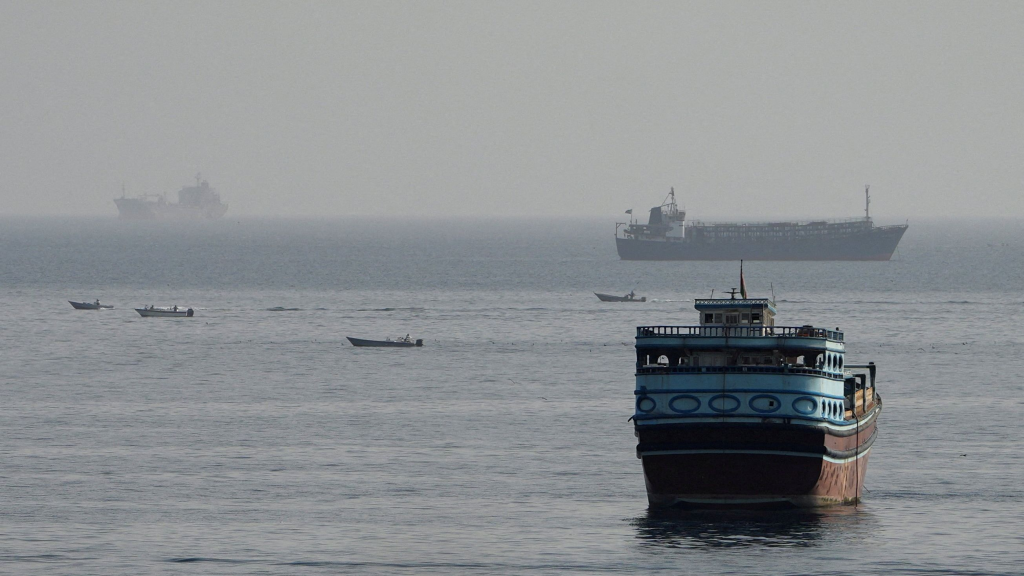
While Trump’s public rhetoric has been highly positive, regional sources urge caution. Spokespersons from Tehran have acknowledged that talks with Oman are progressing positively, but they maintain that the scope of the agreement is strictly limited to local shipping administration rather than a comprehensive geopolitical surrender. The physical reality of the Strait—which previously carried approximately 20% of the world’s petroleum transit—means that even a partial reopening would have massive diplomatic and economic ramifications for the global trade order.
Technical Coordinates and Oman’s Mediation Role
Oman has once again proved to be the indispensable diplomatic bridge of the Middle East. Iranian Foreign Ministry spokesperson Esmaeil Baghaei confirmed on Wednesday that Iranian and Omani negotiators have successfully agreed on the precise geographic coordinates of the shipping route through the Strait. According to Iranian authorities, the technical groundwork is complete, and a joint announcement is being finalized—provided that third parties do not interfere with the process.
However, the Iranian Foreign Ministry has also warned that a bilateral agreement between Tehran and Muscat does not, by itself, guarantee absolute security in the waterway if foreign military assets continue to crowd the Gulf. Oman’s role has been to package these regional maritime regulations in a way that allows the United States to claim a diplomatic victory while preserving Iran’s sovereignty over its territorial waters.
Control of Shipping and the Disputed Terms
One of the most highly contested points of the proposed deal involves the control of shipping traffic through the narrow waterway. According to diplomatic leaks and regional officials, the draft agreement contains concessions that would grant Tehran a degree of administrative control over inbound commercial vessels entering the Gulf. This concession has raised concerns among Washington’s security establishment. Senator Rubio accused Iran of leveraging maritime transit as a tool of geopolitical blackmail, insisting that the United States must never accept an arrangement that allows Iran to unilaterally dictate access to an international trade route.
To resolve this, negotiators are discussing a framework where regional Gulf nations would supervise inspections, ensuring that any transit fees or security audits remain voluntary and non-coercive. The ultimate sticking point remains the regulation of outbound traffic, particularly oil tankers departing from Saudi Arabia and the United Arab Emirates. Tehran is pushing for maximum oversight, while Washington demands guaranteed, unhindered passage.
The Military Backdrop and the Airstrikes De-escalation
This sudden diplomatic flurry occurs against a backdrop of severe military exhaustion. Only days ago, the United States was poised to launch another massive wave of bombardment against Iranian targets. However, in a surprising turn of events, Trump halted planned military action to allow regional diplomatic backchannels to operate without the immediate threat of active combat.
The pause in combat operations became formalized when Trump cancels further strikes, choosing to delay the bombing campaign in exchange for progress toward a framework peace deal. Military experts suggest that this shift was also heavily influenced by strategic resource constraints. Reports have emerged indicating that the U.S. military has nearly depleted its global stockpile of long-range precision missiles after months of intense combat, complicating the prospects of a sustained, high-intensity aerial campaign. Though critics claim these pauses are merely tactical, diplomats have actively utilized backchannel diplomacy channels to lay the groundwork for a broader, more stable resolution.
Economic Implications: Oil Prices and Maritime Trade
The ongoing blockage of the Strait of Hormuz has severely penalized the global economy, forcing oil prices to hover near $80 a barrel and driving up the cost of consumer diesel. Trump has repeatedly expressed frustration with domestic energy prices, targeting major oil companies for keeping retail costs high. Reopening the Strait would immediately restore standard energy flows and likely trigger a rapid decline in global oil prices.
Yet, the security situation in neighboring waters remains incredibly fragile. Just as negotiations reached a critical phase, an Indian-flagged merchant ship sank in the Red Sea after being targeted by an explosive-laden drone boat deployed by Iran-backed Houthi militants. The attack, which was strongly condemned by India’s Foreign Ministry, serves as a stark reminder that even if a Strait of Hormuz deal is finalized, maritime commerce in the region will remain vulnerable to proxy warfare and asymmetric threats.
Political Skepticism and Congressional Backlash
Skepticism regarding the viability of a deal remains high in both Washington and Tehran. In the U.S., national security hawks warn that any agreement granting Iran control over shipping lanes is a profound capitulation that will only embolden the Islamic Revolutionary Guard Corps (IRGC). Regional analysts note that the Iranian negotiating team does not fully represent the hardline voices of the IRGC, who possess the physical capability to disrupt maritime shipping regardless of what civilian diplomats sign in Muscat.
The current administration has made it clear that these discussions are the only viable path forward, initiating direct negotiations with Iran through Omani and Swiss intermediaries. Critics argue that the White House is rushing toward a temporary victory to satisfy domestic voters ahead of upcoming political challenges, leaving the structural roots of the U.S.-Iran conflict completely unaddressed.
Comparing the Outlines of the Proposed Framework
Negotiators are working around the clock to bridge the wide gap between the two sides’ positions. The table below outlines the core points of contention and the compromise structures currently being debated in Muscat.
| Negotiation Parameter | United States Position | Iranian Position | Proposed Compromise Framework |
|---|---|---|---|
| Sovereignty & Control | Demand unrestricted freedom of navigation for all international vessels. | Demand oversight and control of ships transiting through the Strait of Hormuz. | Iran manages coordinated channels with Oman; regional countries supervise inspections. |
| Military Posture | Maintains a “locked and loaded” stance but delays further heavy airstrikes. | Demands a complete halt to US and Israeli operations in West Asia. | Airstrikes remain paused pending the operationalization of the maritime shipping lanes. |
| Nuclear Program Connection | Wants the deal to pave the way for broader, denuclearization negotiations. | Wishes to decouple maritime security discussions from nuclear negotiations. | Immediate focus remains strictly on shipping and energy routes, leaving nuclear details for later. |
| Economic Sanctions | Offer phased sanctions relief contingent on compliance. | Demands immediate relief to alleviate economic blockades. | Conditional financial mechanisms facilitated through neutral Middle Eastern partners. |
The Future of US-Iran Strategic Relations
Whether this framework leads to a comprehensive peace or simply a temporary ceasefire remains to be seen. Washington has repeatedly messaged that this window of diplomacy represents Iran’s final opportunity to avoid a complete military collapse and economic ruin. For Trump, a successful deal would represent a monumental foreign policy victory, proving his transactional approach to international relations can pacify even the most volatile conflicts.
If the talks fail to produce a durable security arrangement, the international community fears a potential escalation to a global conflict that could draw in nuclear-armed powers. For now, the world holds its breath as diplomatic delegations in Muscat and Washington put the finishing touches on an agreement that could either rescue the global economy or collapse into renewed, unrestricted warfare.