Iranian Diplomacy Denies Trump’s Claims of Imminent US Talks 2026
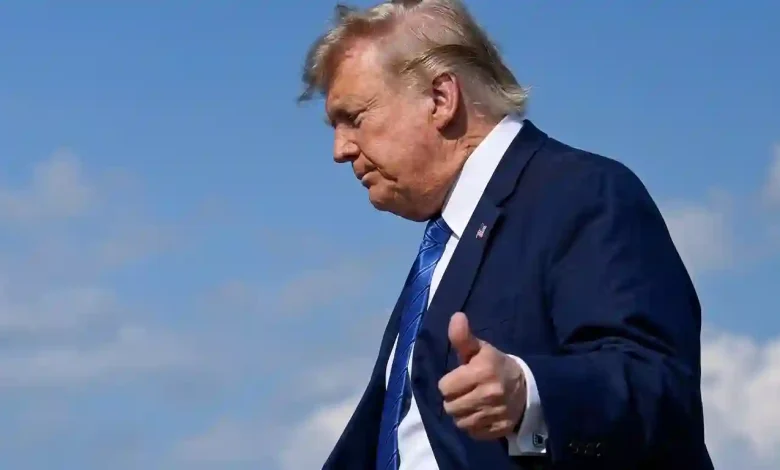
Table of Contents
Iranian diplomacy took center stage as Foreign Ministry spokesperson Esmaeil Baghaei firmly rejected claims of an imminent direct dialogue with the United States. In a series of highly synchronized public statements, the spokesperson clarified that Tehran has no active plans to send an official delegation to Washington or receive an American counterpart in Iran. This sharp diplomatic denial directly contradicts public pronouncements from US President Donald Trump, who recently claimed that a breakthrough bilateral agreement was close and that negotiations were scheduled to begin immediately.
Instead of pursuing direct engagement with the United States, Iranian officials are focusing their diplomatic capital on neighboring Oman. Baghaei detailed progress on establishing a newly structured maritime shipping corridor through the strategic Strait of Hormuz. The proposed route, characterized by a structured framework featuring designated entry and exit lanes, represents a collaborative effort between Tehran and Muscat to manage regional maritime traffic independently. As both sides work to draft a joint announcement, the geopolitical rift between Tehran’s sovereign focus and Washington’s unilateral expectations has never been more visible.
Iranian Diplomacy Rejects Washington’s Narrative on Impending Talks
The latest back-and-forth highlight the deeply entrenched trust deficit between the two nations, even as international mediators attempt to bridge the gap. For months, rumors of secret, backchannel communication had circulated through regional hubs. Observers hoped that a temporary de-escalation of military operations in the region would pave the way for a more permanent diplomatic solution. Earlier gestures of restraint had raised tentative hopes for backchannel diplomacy, but Esmaeil Baghaei’s recent press briefing made it clear that these expectations were premature.
According to the Iranian Foreign Ministry, the narrative of an “imminent” breakthrough is a unilateral construct by the US administration, likely designed for domestic political consumption or to ease global financial anxieties. Baghaei emphasized that diplomatic progress cannot be willed into existence through public declarations alone, especially when structural grievances—such as economic sanctions and unauthorized naval blockades—remain entirely unaddressed. By publicly refuting the existence of scheduled talks, Iran is signaling that it will not be rushed into high-level meetings under duress or political theater.
The Discrepancy: Trump’s Optimism Versus Tehran’s Firm Stance
The contradiction between statements from Washington and Tehran highlights two completely different diplomatic strategies. While the US administration relies on highly public, top-down declarations to force momentum, Iranian officials prefer a more cautious, legalistic approach that prioritizes concrete regional agreements before engaging in broader international talks.
Trump’s Claims of an ‘Imminent’ Bilateral Agreement
President Donald Trump had previously announced to reporters that an agreement with Iran was virtually secured, indicating that formal negotiations were scheduled to begin on Monday. Trump framed this development as a direct consequence of US leverage, suggesting that Tehran was eager to escape the economic pressure of current trade restrictions. This diplomatic overture came shortly after Trump’s decision to halt planned strikes on targets in the region, which US officials claimed was intended to give diplomacy a chance after quiet appeals from regional allies like Saudi Arabia and Qatar.
The US administration’s rhetoric sought to portray Iran as a cornered actor ready to make concessions to preserve its economic survival. However, by setting a public deadline and declaring that this was Tehran’s “last chance” to secure a peace deal, Washington may have inadvertently forced the Iranian leadership to take a more defiant public stance to avoid appearing weak to its domestic constituency and regional partners.
Baghaei’s Direct Refutation of Diplomatic Delegations
Spokesperson Esmaeil Baghaei dismantled this narrative during his weekly briefing, stating clearly that “there are no plans to receive a delegation or send an Iranian one.” He noted that while messages continue to be transmitted through third-party intermediaries, no direct talks are scheduled, and no official bilateral meetings are on the horizon. Despite persistent international pressure and hopes that US-Iran hostilities might ease, Iran remains highly skeptical of Washington’s true intentions.
Tehran maintains that a return to formal negotiations is impossible while the United States continues its hostile posture, which includes ongoing naval operations and crippling sanctions. The Iranian leadership is highly sensitive to the perception of unequal bargaining power and has made it clear that it will not participate in symbolic photo-ops that do not offer tangible, legally binding relief.
The Strait of Hormuz: A New Path Mediated by Oman
With direct talks with Washington stalled, Tehran is channeling its diplomatic energy into regional partnerships. The most significant development is the ongoing collaboration with the Sultanate of Oman regarding maritime security in the Strait of Hormuz, one of the world’s most critical energy chokepoints.
Technical Details: Entry and Exit Lanes
A key focus of the Muscat talks is the establishment of a newly managed maritime route designed to restore stability to commercial shipping. Baghaei announced that the technical details of the route have been largely agreed upon, describing it as “one path with entry and exit lanes.” This structured channel is designed to organize maritime traffic and minimize the risk of collisions or unauthorized interventions by foreign navies. Finalizing the strategic Strait of Hormuz deal is a top priority for both countries, though the plan has already drawn intense scrutiny from Western defense analysts who fear it could consolidate Iranian control over the waterway.
The geographic coordinates for this new corridor are currently being finalized in a joint announcement. If implemented successfully, the route will allow commercial vessels to transit the strait under a clear regulatory framework managed jointly by Iran and Oman, bypassing the overlapping security patrols that have led to numerous maritime standoffs in recent months.
Security and Sovereign Responsibility
Iran has repeatedly asserted that the responsibility for securing the Strait of Hormuz lies solely with the littoral states that border it. Baghaei reiterated this principle, stating that the management of regional maritime traffic is a sovereign duty that requires no external intervention. Tehran views the presence of US and allied naval forces in the Persian Gulf not as a stabilizing factor, but as a primary source of tension.
By partnering with Oman—a nation highly respected for its neutral, constructive foreign policy—Iran hopes to demonstrate that regional powers are fully capable of maintaining maritime security on their own. This strategy is also intended to undermine the justification for Western-led maritime coalitions, which Tehran views as an infringement on its sovereign rights.
Escalating Tensions and the Naval Blockade
The diplomatic maneuvering takes place against a backdrop of severe military and economic confrontation. Despite talks of shipping corridors, the physical reality on the water remains highly volatile, characterized by aggressive naval positioning and economic restrictions.
The Threat of Serious Risks and Casualties
The situation is further complicated by the ongoing US naval blockade on Iranian ports, which has severely restricted the flow of goods and resources. In response, Mohsen Rezaei, top military adviser to Supreme Leader Mojtaba Khamenei, issued a stark warning on social media, asserting that American military assets will face “serious risks and casualties” if the blockade continues. This warning underscores how quickly the situation could deteriorate, reminiscent of when the regional truce collapsed amid warnings of renewed military engagements.
The economic impact of these restrictions has been devastating, leading to severe disruptions to Iranian energy exports and triggering high inflation within the country. However, rather than forcing a capitulation, the pressure has hardened Tehran’s resolve, leading to retaliatory actions including suspected drone operations and attacks on an Iranian commercial ship. This cycle of economic pressure and military retaliation continues to threaten the stability of the global energy supply.
The Role of Regional Mediators: Oman, Pakistan, and Qatar
As direct communication channels remain closed, the burden of preventing a wider conflict has fallen on regional mediators. Oman, Pakistan, and Qatar have all engaged in intensive diplomatic efforts to keep lines of communication open, transmitting proposals and clarifications between Washington and Tehran.
Recently, Pakistan’s Deputy Foreign Minister issued an urgent invitation to Iranian Foreign Minister Abbas Araghchi to visit Islamabad to discuss regional security and explore avenues for dialogue. Concurrently, Qatari representatives have participated in portions of the Muscat talks, attempting to find a formula that would allow both sides to save face while returning to the negotiating table. These diplomatic efforts are vital to maintaining a temporary pause in the US-Iran conflict, even as the official rhetoric on both sides remains uncompromising.
Comparing the US and Iranian Positions on Mediation
The table below summarizes the key differences between the statements, strategies, and immediate goals of the United States and Iran as of August 2026, as reported by Al Jazeera and other international monitoring agencies.
| Diplomatic Dimension | United States Position | Iranian Position |
|---|---|---|
| Status of Negotiations | Direct talks are imminent; bilateral negotiations were set to begin on Monday. | No current plans to send or receive any official diplomatic delegations. |
| Primary Diplomatic Venue | Direct bilateral channels or high-level international summits. | Indirect mediation through Oman, focusing on regional maritime security. |
| Strait of Hormuz Strategy | Maintains naval patrols to enforce open transit and economic sanctions. | Establishing a joint route with Oman featuring entry and exit lanes. |
| Security Framework | International coalition-led maritime security in the Persian Gulf. | Sovereign control by littoral states, rejecting external military intervention. |
Conclusion: The Fragile Road Ahead for Persian Gulf Stability
The sharp contrast between Donald Trump’s claims of an imminent agreement and Esmaeil Baghaei’s firm denial of scheduled talks highlights the complex, highly volatile nature of Middle Eastern geopolitics. While the US administration continues to push for a high-profile diplomatic breakthrough, Iran is focusing its attention on regional partnerships, particularly its maritime negotiations with Oman. The proposed shipping lane in the Strait of Hormuz represents a practical attempt to stabilize commercial shipping, but its success will ultimately depend on whether external powers respect the sovereign arrangements made by local states.
As long as the naval blockade remains in place and economic sanctions continue to choke Iran’s economy, the potential for miscalculation remains high. The efforts of mediators like Oman, Pakistan, and Qatar are crucial for keeping lines of communication open, but a lasting peace will require more than indirect messaging. Both Washington and Tehran will eventually have to address the structural issues that divide them if they hope to transition from temporary pauses in hostility to a stable, long-term security framework in the Persian Gulf.