Strait of Hormuz Crisis: IRGC Attacks Three Cargo Ships 2026
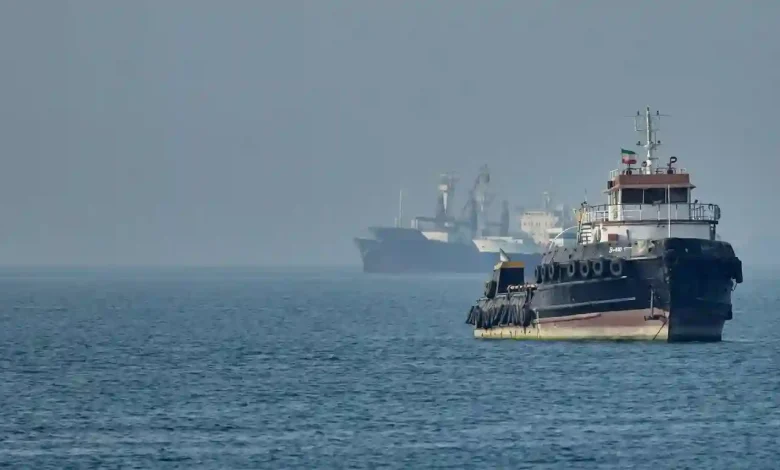
Table of Contents
Strait of Hormuz transit safety collapsed today as the Islamic Revolutionary Guard Corps (IRGC) executed a coordinated assault on three commercial cargo vessels attempting to navigate this vital maritime chokepoint. In a series of daring and highly disruptive maneuvers, IRGC maritime forces boarded and damaged the vessels, two of which belong to Mediterranean Shipping Company (MSC), the world’s largest container shipping line. This aggressive demonstration of hostile force has sent shockwaves through international maritime networks, highlighting the extreme vulnerability of international supply chains. As geopolitical tensions boil over, the targeted disruption of key vessels signals a new phase in the ongoing conflict, directly threatening global economic stability.
Hormuz :Introduction
The geopolitical equilibrium of the Persian Gulf has been severely disrupted following a bold military operation by Iran’s paramilitary forces. Early this morning, three commercial cargo ships navigating the narrow transit corridors of the Persian Gulf were intercepted and attacked by tactical units of the Islamic Revolutionary Guard Corps (IRGC). According to reports published by Reuters, the vessels were targeted using a combination of fast attack craft, heliborne boarding commandos, and loitering munitions. The most alarming detail of this maritime provocation is the identity of the vessels: two of the three attacked container ships are owned and operated by MSC, the undisputed leader in global containerized logistics. This strategic choice of targets underscores a deliberate attempt by regional actors to pressure Western allies by bottlenecking the world’s most critical supply lines.
Hormuz :Anatomy of the Assault
The tactical execution of the attack suggests a high degree of planning and intelligence gathering by the IRGC Navy. Operating under the cover of pre-dawn darkness, multiple fast attack boats swarmed the vessels as they entered the narrowest sector of the shipping lanes. The assault units utilized electronic warfare to jam marine transponders and local communications, isolating the ships from nearby coalition warships before launching their physical boarding operations. Helicopter-borne commandos rappelled onto the decks of the leading MSC vessel, securing the bridge and forcing the crew to halt propulsion.
While commercial crew members complied with protocol to avoid casualties, the third vessel, a bulk carrier, attempted evasive maneuvers. In response, IRGC forces deployed loitering suicide drones to disable its steering gear and superstructure. This hostile act directly mirrors a previous Iranian drone attack on cargo ship routes that occurred earlier in the season, demonstrating a systematic escalation in drone-warfare tactics designed to intimidate commercial operators. The coordinated nature of these strikes proves that commercial vessels can no longer rely on passive defense measures or simple route adjustments to guarantee safe transit through contested international waters.
Hormuz :Targeting the Giant: Why MSC is a Primary Target
Mediterranean Shipping Company (MSC) represents the absolute backbone of global maritime commerce. By targeting two massive MSC container vessels, the IRGC is not merely contesting regional waters; they are holding the international supply chain hostage. MSC operates a vast network of container ships that carry everything from critical industrial machinery and microchips to essential foodstuffs and medical supplies. Disruption to their fleet immediately reverberates through retail shelves and manufacturing assembly lines in Europe, North America, and Asia.
Geopolitical analysts believe that targeting MSC is a calculated message aimed at Western regulatory bodies and naval coalitions. The IRGC understands that western consumer economies are highly sensitive to inflationary shocks. By introducing extreme risk to the operations of the world’s largest carrier, they force insurers to spike premium rates, which in turn drives up shipping costs worldwide. This aggressive posturing is intended to force Western powers to reconsider their military presence and economic sanctions in the region, using the threat of total supply chain paralysis as strategic leverage.
Hormuz :Geopolitical Fallout and Transnational maritime Threats
The fallout from these attacks extends far beyond the immediate vicinity of the Persian Gulf. Maritime security is highly interconnected, and instability in one major choke point rapidly cascades to others. The vulnerability of the Strait of Hormuz directly impacts alternative trade routes, driving commercial traffic to seek longer, more expensive detours. Analysts warn that this aggressive maneuver is part of a broader, coordinated strategy designed to choke off international commerce across multiple theatres.
The current instability shares deep tactical and strategic similarities with threats facing the Bab-el-Mandeb gateway, where proxy forces have routinely harassed commercial vessels. As the IRGC tightens its grip on Persian Gulf transits, the resulting Red Sea shipping disruption has left commercial fleets with very few safe passages. This multi-front maritime crisis highlights a coordinated campaign to disrupt global trade lanes, forcing shipping companies to choose between navigating highly hazardous war zones or taking the lengthy detour around the Cape of Good Hope, which adds weeks to transit times and millions of dollars in operational fuel costs.
Hormuz :Summary of Targeted Cargo Vessels
To understand the scope of the recent escalation, the table below outlines the details of the three cargo ships intercepted and targeted during the IRGC maritime operation:
| Vessel Name | Operator / Owner | Vessel Type | Current Status after Attack | Strategic cargo Type |
|---|---|---|---|---|
| MSC Aries II | MSC (Switzerland) | Container Vessel | Boarded and diverted to Iranian port | Industrial electronics, machinery parts |
| MSC Orion Express | MSC (Switzerland) | Container Vessel | Damaged by drone strike; anchored in safe waters | Consumer goods, pharmaceutical components |
| Pacific Monarch | Independent Charter | Bulk Carrier | Minor hull damage; escorted by coalition navy | Agricultural grain, raw minerals |
Hormuz :Economic Consequences and Global Shipping Disruptions
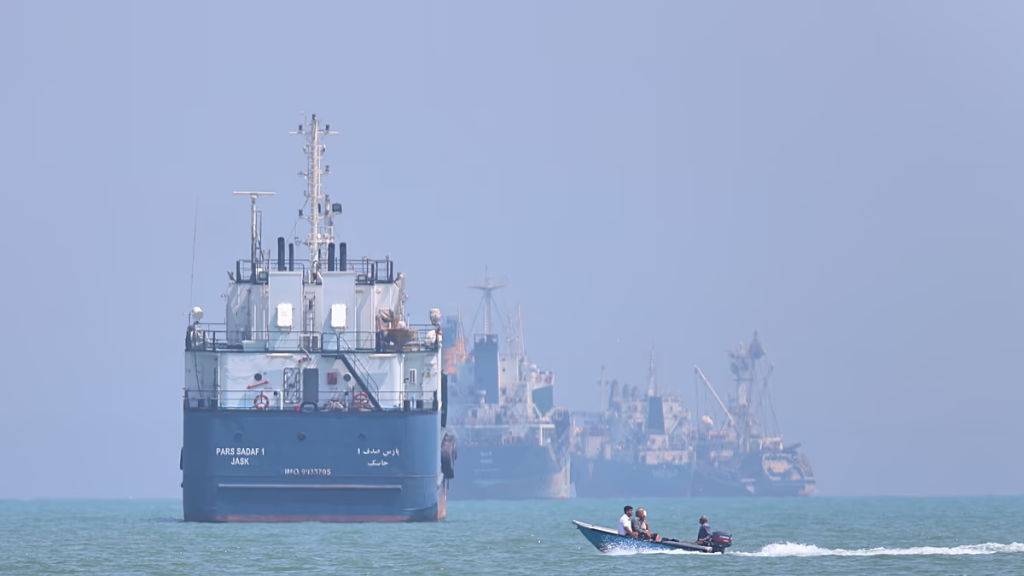
The economic repercussions of this triple-vessel attack were felt instantly across global financial markets. Energy markets responded with immediate volatility, as traders feared a prolonged blockade of oil tankers and LNG carriers. However, the most severe long-term impacts will likely be felt in the containerized shipping sector. Insurance syndicates in London and Singapore immediately revised their war-risk premiums for vessels transiting the Middle East, making voyages through the gulf economically prohibitive for mid-sized operators.
As shipping companies struggle to absorb these escalating operational costs, the broader economic consequences of the regional war are starting to materialize as increased consumer prices at the retail level. Industry experts have warned that if these choke points remain highly contested, global crude oil price projections will have to be revised upward by as much as 25%, further fueling global inflation and undermining central bank efforts to stabilize international economies. Shipping lines are already passing these operational surcharges down the supply chain, affecting everything from manufacturing inputs to consumer electronics.
Military and Diplomatic Escalation
In the wake of the attacks, international naval coalitions have scrambled assets to secure the remaining commercial convoys. Defensive patrols have been intensified, but the vast expanse of water and the IRGC’s asymmetric warfare tactics make absolute protection virtually impossible. The incident has triggered urgent consultations among allied nations, who are weighing military deterrence against the risk of triggering a much wider regional conflagration.
The naval response, led by coordinated U.S. Central Command actions, has focused on establishing armed escorts for high-value container ships and deploying advanced anti-drone systems aboard allied warships. This latest maritime crisis marks a dangerous escalation on day 154 of the conflict, reducing hopes for immediate diplomatic de-escalation. Even as military posture intensifies, back-channel diplomatic discussions are faltering, especially as Iran negotiates Hormuz corridor options behind closed doors to leverage maritime safety against sanctions relief and geopolitical concessions from Western allies.
Long-Term Outlook and Strategic Alternatives
With the world’s most critical maritime corridors now designated as active conflict zones, global logistics providers are forced to look at long-term strategic alternatives. The reality is that no land-based transit corridor can currently match the sheer volume and efficiency of ocean-going cargo vessels. Rail corridors across Central Asia and land bridges through the Arabian Peninsula are being heavily researched, but they suffer from administrative bottlenecks, limited capacity, and complex geopolitical realities of their own.
As a result, the global shipping industry must prepare for a prolonged era of high-risk maritime operations. Shipping giants like MSC are expected to invest heavily in private security detachments, advanced electronic countermeasures, and close-in weapons systems for their commercial fleets. Until international coalitions can guarantee the absolute freedom of navigation through the Strait of Hormuz, the global economy will remain highly vulnerable to sudden, asymmetric disruptions that can paralyze supply lines overnight and dictate the economic fortunes of entire nations.