US-Iran hostilities ease as Pakistan and global mediators secure breakthrough pause 2026
Table of Contents
US-Iran hostilities have reached a delicate turning point. After a brutal stretch of conflict where U.S. airstrikes against Iran entered their thirteenth consecutive night, a sudden and unexpected silence fell over the region. The Pentagon abruptly suspended its intense military campaign late on Friday, leading to a consecutive 48-hour period with no reported attacks on Saturday or Sunday. In response to this operational halt, Tehran has also held its fire. Previously, Iran had followed each night of American bombardment with retaliatory strikes on neighboring countries hosting U.S. military bases. This brief window of calm has sparked intense discussion in international diplomatic circles, with diplomatic sources in Washington confirming that Pakistan, alongside other global powers, has played a highly significant role in brokering this strategic pause.
The Strategic Context of the 13-Night Campaign
The suspension of military operations comes after nearly two weeks of unrelenting aerial warfare. The conflict escalated rapidly as U.S. forces targeted Iranian command nodes, air defenses, and logistics infrastructure, even as the White House focused on clarifying the tactical scope of the military campaign. Iran responded with a doctrine of regional deterrence, launching retaliatory strikes against coalition facilities in neighboring Arab states. This tit-for-tat escalation threatened to spiral into a broader regional conflagration that would draw in neighboring states and compromise international shipping lanes.
As the violence threatened to spin out of control, backchannel diplomatic tracks were aggressively activated. The sudden quiet over the weekend is seen by many as a tangible result of these covert efforts, which has prompted analysts to question if the current pause in the heavy bombardment campaign can transition into a sustainable peace agreement. The mechanics of this temporary de-escalation rely heavily on a delicate web of international mediation, with key capitals working around the clock to prevent a catastrophic regional war.
Pakistan as the Pivotal Mediator in Backchannel Diplomacy
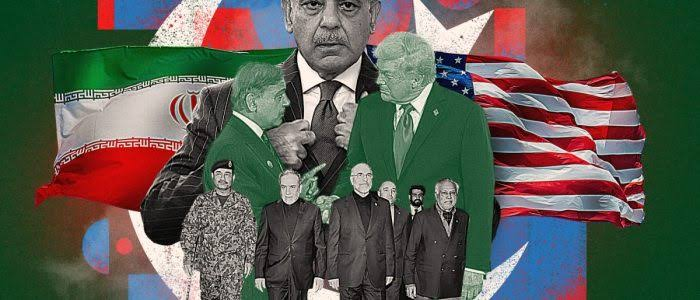
Diplomatic sources in Washington have highlighted the critical role played by Pakistan in preventing further escalation. Geographically positioned next to Iran and maintaining deep strategic partnerships with both Saudi Arabia and China, Islamabad occupied a unique position to act as an impartial intermediary. Throughout the 13 nights of U.S. bombing, Pakistani diplomats maintained continuous, direct communication with Tehran, Washington, Riyadh, and Beijing.
By acting as a reliable pipeline for messages, Pakistan’s diplomatic corps successfully conveyed the specific “red lines” of both the United States and Iran. This facilitated a structured communication flow that bypassed public posturing, ensuring that the underlying channel for diplomatic dialogue between Washington and Tehran remained viable. Islamabad’s messaging focused heavily on the shared dangers of a wider regional collapse, urging all parties to recognize that military victory was an impossibility under current conditions.
Coordinated Regional Action: Beijing and Riyadh
The diplomatic push led by Pakistan was not a solitary effort; it was heavily supported by coordinated actions from Riyadh and Beijing. Both capitals have massive stakes in the stability of the Persian Gulf and the broader Middle East. A prolonged war would not only endanger regional security but also threaten global energy supplies, with financial analysts warning of global inflation risks arising from energy disruptions across major industrial hubs.
By presenting a unified diplomatic front, Pakistan, China, and Saudi Arabia were able to leverage their respective relationships. China applied pressure through economic channels, emphasizing the long-term trade disruptions that a full-scale conflict would bring. Meanwhile, Saudi Arabia worked to assure Tehran that it sought de-escalation rather than a widening of hostilites, thereby reducing Iran’s perceived need to strike regional targets in self-defense.
China’s Strategic and Economic Calculus
For China, the conflict represents a direct threat to its energy security and the Belt and Road Initiative. As a primary buyer of Iranian oil and a major trade partner for Gulf countries, Beijing’s diplomatic intervention was highly pragmatic. China utilized its growing diplomatic clout in the Middle East to reinforce Pakistan’s mediation, urging Tehran to exercise restraint and avoid actions that would permanently damage international shipping routes.
Saudi Arabia’s Delicate Balancing Act
Saudi Arabia, on the other hand, faced the immediate threat of retaliatory strikes on its soil. Having spent years attempting to diversify its economy and move away from regional conflicts, Riyadh had no desire to be dragged into a destructive U.S.-Iran war. Consequently, Saudi officials worked closely with Pakistani mediators to signal to Tehran that they would not allow their territory to be used as a launching pad for further offensive U.S. actions, significantly lowering the geopolitical temperature.
Tactical De-escalation: Inside the Pentagon’s Friday Halt
The decision to halt the bombing late on Friday was the subject of intense debate within the U.S. administration. While some military strategists pushed for continued pressure to degrade Iran’s military capability completely, Pentagon officials confirmed that certain active military assault plans were temporarily set aside to allow room for negotiators. The pause was designed as a test of Iran’s willingness to reciprocate and de-escalate.
When Iran chose not to launch any retaliatory strikes over the weekend, it signaled to Washington that the backchannel assurances conveyed by Pakistan were genuine. This operational pause has provided both nations with a much-needed breathing room to assess the diplomatic landscape without the immediate pressure of active combat operations, although the situation remains highly fluid and unpredictable.
Comparison of Regional Diplomatic Alignments
To better understand the complex web of negotiations that facilitated the pause in fighting, the following table outlines the strategic objectives and diplomatic leverage of the key nations involved in the mediation process:
| Country | Strategic Role in Conflict | Primary Strategic Interest | Key Diplomatic Leverage |
|---|---|---|---|
| United States | Primary Combatant | Restore regional deterrence; protect coalition bases | Unmatched naval and aerial military capabilities |
| Iran | Primary Combatant | Preserve regime survival; lift economic siege | Asymmetric proxy networks; regional missile arsenal |
| Pakistan | Lead Mediator | Prevent regional instability; secure western border | Direct diplomatic channels with all key capitals |
| Saudi Arabia | Regional Facilitator | Protect domestic infrastructure; avoid direct war | Financial influence; hosting rights for Western forces |
| China | Global Facilitator | Secure energy supply chains; expand regional influence | Economic partnerships; primary purchaser of crude oil |
Economic Contagion and the Strait of Hormuz Threat
The primary driver behind the international urgency to broker a ceasefire was the escalating threat to global shipping lanes, and bringing the critical maritime chokepoint into the ongoing Strait of Hormuz shipping crisis. As a vital artery through which a significant portion of the world’s petroleum passes daily, any permanent disruption to the strait would have catastrophic consequences for the global economy.
Insurance rates for commercial vessels had already skyrocketed during the 13 nights of conflict, threatening to disrupt global supply chains. By halting the military actions, mediators have managed to temporarily secure the shipping lanes, though maritime security experts warn that the corridor remains highly vulnerable to any sudden shifts in the political landscape of either Washington or Tehran.
Structural Obstacles to a Permanent Ceasefire
Despite the current success of the mediation efforts, deep structural obstacles remain in the way of a long-term diplomatic resolution. This period of quiet is highly fragile, especially given that it followed a direct direct military confrontation between the United States and Iran in modern history. The core issues that sparked the hostilities—including regional proxy networks, economic sanctions, and strategic trust deficits—remain entirely unresolved.
For the pause to hold, both Washington and Tehran must move beyond mere tactical de-escalation and engage in substantive discussions regarding long-term regional security frameworks. Pakistan’s diplomatic role has successfully opened a door for peace, but the heavy lifting of building a lasting compromise will ultimately depend on the political will of the leaders in the United States and Iran.