Iranian commercial ship crew returns home as Gaza peace talks stall 2026
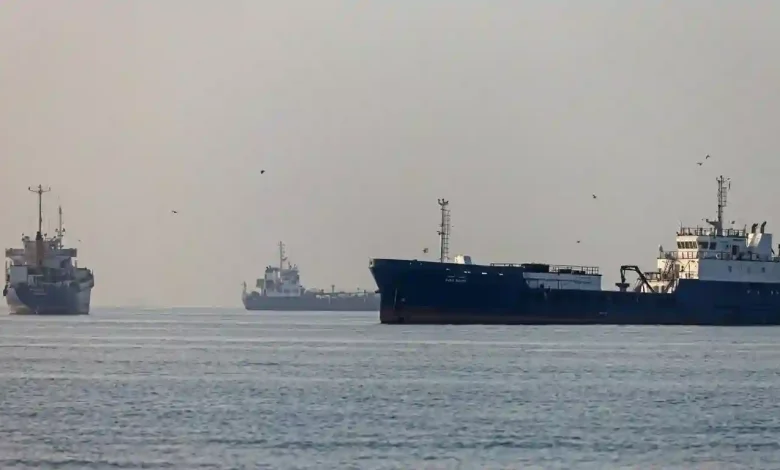
Table of Contents
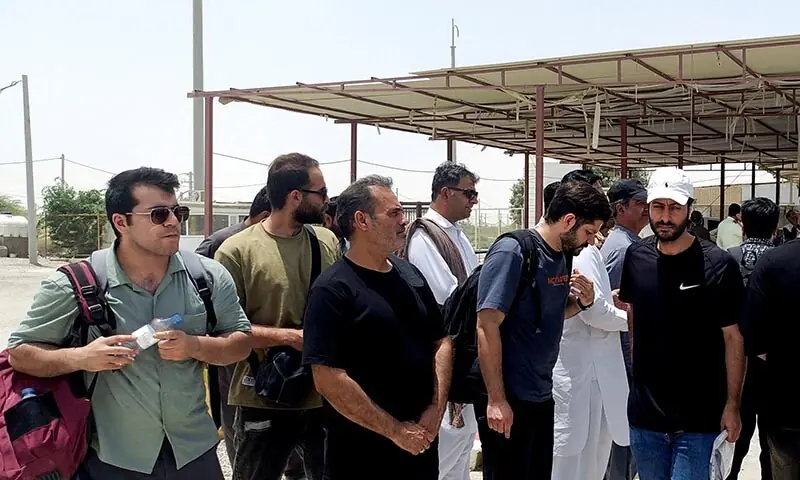
Iranian commercial ship crew members have officially returned to Iran following a devastating Ukrainian strike on their vessel last week, sparking a major diplomatic crisis in the Caspian Sea region. According to official reports from the Al Jazeera news network and the semi-official ISNA news agency in Tehran, the merchant vessel was struck in what Kyiv claimed was a targeted long-range operation to disrupt Russian supply lines. The crew’s safe return, alongside the body of a deceased sailor who lost his life in the explosion, highlights the expanding military geography of modern conflict. The incident unfolded amidst broader escalations across the Middle East, coinciding with what analysts have labeled Iran war day 154.
The Caspian Sea Incident: Iranian Commercial Ship Attacked
The Caspian Sea, traditionally considered a secure and inland body of water dominated by its five littoral states, has emerged as a new front of geopolitical friction. On July 25, 2026, a Ukrainian long-range strike targeted an Iranian commercial vessel, causing a severe explosion that structurally damaged the ship. While Ukrainian President Volodymyr Zelenskyy asserted that the targeted ships were actively carrying military cargo and drone components destined for Russian forces, Iranian authorities have vehemently denied these allegations. Tehran maintains that the vessel was strictly engaged in civilian commercial activities, transporting steel cargo from Russia’s Astrakhan port to the Iranian port of Anzali.
Details of the Caspian Sea Strike
The strike resulted in immediate casualties, killing one Iranian merchant sailor and injuring several other crew members. Following the explosion, damage control teams managed to stabilize the ship, allowing the surviving crew members and the body of the deceased sailor to be repatriated back to Iran. This shipping lane has recently become highly contested, particularly due to heightened security concerns following recent US military strikes in the region. Ukrainian intelligence services defended the operation, stating that cargo vessels under international sanctions are frequently utilized to transport covert military supplies between Iran and Russia, bypassing traditional international trade routes.
Iranian Diplomatic Backlash
Iranian Foreign Ministry Spokesperson Esmaeil Baghaei addressed the press in Tehran, presenting what he described as deliberate evidence of Ukraine’s aggression. Baghaei classified the attack as a flagrant violation of Article 2(4) of the United Nations Charter, calling it an act of international adventurism that threatens to drag other regions into a wider conflict. Iranian Foreign Minister Abbas Araghchi echoed these sentiments, directly warning that Kyiv’s actions would not go unanswered and suggesting that the strike was executed at the behest of international actors looking to provoke Tehran. At the same time, regional powers remain on high alert as Gaza airstrikes persist, making any diplomatic breakthrough extremely complex.
Geopolitical Implications
The attack on a merchant ship in the Caspian Sea demonstrates the unprecedented reach of the Russia-Ukraine war, which has now spilled over into a critical trade corridor for Iran. By launching long-range drone strikes into this inland sea, Kyiv has signaled its willingness to disrupt the economic lifelines that connect Moscow and Tehran. For Iran, the Caspian route has served as a vital alternative to the heavily monitored Persian Gulf and Arabian Sea. The compounding pressures of these military maneuvers have raised fears that local hostilities escalate as the ceasefire collapses across multiple zones, threatening global maritime trade. These developments come at a time when Iran accuses US forces of backing Ukrainian operations as a means of squeezing its maritime trade and applying psychological pressure on its leadership.
Gaza Ceasefire Initiatives: Implementing Phase 2
While Eastern Europe and the Caspian Sea witness escalating military friction, the Middle East is simultaneously grappling with its own critical diplomatic efforts. High Representative for Gaza Nickolay Mladenov, who heads the U.S.-backed Board of Peace, announced that mediators are working around the clock to initiate Phase 2 of a comprehensive ceasefire agreement. This phase aims to transition the battered enclave from a temporary cessation of hostilities toward long-term demilitarization, technocratic governance, and reconstruction. Negotiators are facing major challenges under the current geopolitical context, which has significantly altered the scope of iran war Trump administrative policies.
Board of Peace and Diplomatic Efforts
The Board of Peace, in coordination with key international mediators including Egypt, Qatar, and Türkiye, has been pushing both Israel and Hamas to honor their respective obligations under the multi-phase peace plan. Under the negotiated roadmap, Hamas has reportedly accepted a detailed framework that includes surrendering heavy weaponry and handing over administrative and security authority to an independent, 15-member Palestinian technocratic committee. Furthermore, the diplomatic corps is under intense pressure to advance the highly debated Gaza roadmap Trump initiative. However, Israel has yet to officially endorse the latest draft of the agreement, with senior officials expressing concerns that the truce could allow Hamas to rebuild its depleted military infrastructure.
The Mounting Humanitarian Crisis
Despite the intensive diplomatic efforts led by Nickolay Mladenov, the humanitarian situation in the Gaza Strip has deteriorated rapidly. Over the past few days, Israeli airstrikes have intensified across several sectors of the enclave, resulting in the tragic deaths of dozens of Palestinians and the destruction of critical medical shipments. Mladenov publicly lamented that the persistent military strikes are severely undermining the progress achieved by mediators. The targeting of shipping routes has sparked concerns over a broader economic crisis, with regional powers fearing direct strikes on Iranian energy infrastructures. The humanitarian cost remains staggering, with millions of displaced Gazans facing catastrophic shortages of food, clean water, and life-saving medical supplies while diplomats struggle to secure a durable peace.
Comparative Analysis: Two Fronts
The concurrent crises in the Caspian Sea and the Gaza Strip reflect the highly interconnected nature of modern global security. Below is an analytical comparison of these two volatile theaters:
| Conflict Dimension | Caspian Sea Maritime Incident | Gaza Ceasefire Phase 2 Push |
|---|---|---|
| Primary Actor(s) | Iran, Ukraine, Russia | Israel, Hamas, Board of Peace |
| Recent Trigger | Ukrainian drone strike on vessel | Intensified Israeli airstrikes over the weekend |
| Key Challenge | Iran allegations vs Ukrainian military cargo claims | Disarmament demands vs security operations |
As illustrated in the comparative table, both scenarios involve a complex interplay between local actors and major global powers, demonstrating how easily localized skirmishes can expand into systemic international crises.
Diplomatic Hurdles
The path forward for both conflicts remains highly uncertain, characterized by deep-seated distrust and conflicting strategic objectives. In the Caspian Sea, Iran’s demands for accountability and warnings of military retaliation against Ukraine threaten to draw Russia and Western allies deeper into a direct confrontation. Meanwhile, in Gaza, the transition to Phase 2 of the ceasefire deal is stalled by fundamental disagreements over security guarantees and territorial control. International mediators must navigate these treacherous geopolitical waters, balancing the immediate humanitarian needs of civilian populations with the long-term strategic interests of the sovereign states involved. The international community must act cohesively to prevent these localized flashpoints from merging into an uncontrollable global conflagration.
Conclusion
In conclusion, the return of the Iranian commercial ship’s crew and the concurrent diplomatic scramble in Gaza underscore the immense challenges facing global security in 2026. Whether dealing with maritime drone strikes in the Caspian Sea or navigating the intricate phases of a Middle Eastern peace roadmap, the necessity for robust, impartial, and proactive international diplomacy has never been more apparent. Only through sustained dialogue, mutual accountability, and a genuine commitment to de-escalation can the international community hope to resolve these highly complex geopolitical crises and secure a peaceful future.