Gaza Roadmap: Trump Proposal Faces Skepticism From Analysts 2026
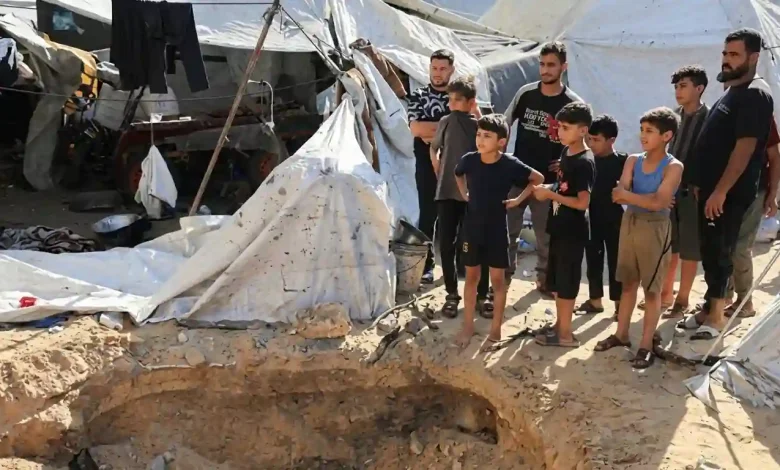
Table of Contents
Gaza roadmap agreements proposed by international powers have historically been met with a combination of cautious optimism and severe geopolitical skepticism. Recently, President Donald Trump announced a highly ambitious new diplomatic initiative aimed at permanently resolving the ongoing conflict in the region. While the White House has framed this proposal as a decisive breakthrough, seasoned political analysts and regional scholars argue that the plan fails to address the deep-seated strategic realities on the ground. The announcement comes at a highly volatile moment in global affairs, where overlapping conflicts in the Middle East have threatened international commerce, regional security, and bilateral diplomatic relationships.
The Trump Peace Initiative and Its Challenges
The newly proposed framework seeks to establish a structured pathway toward a permanent ceasefire, humanitarian rehabilitation, and the eventual reconstruction of the devastated coastal enclave. Proponents of the Trump administration’s strategy suggest that a business-centric, deal-making approach could succeed where traditional, slow-moving diplomatic channels have repeatedly stalled. However, the plan’s reliance on swift agreements and grand declarations has raised concerns among foreign policy experts who emphasize that lasting peace requires addressing fundamental security dilemmas, territorial sovereignty, and the rights of displaced populations.
As the administration pushes for immediate consensus, critics highlight that the proposed timeline does not align with the entrenched political motivations of the principal combatants. For Trump, securing a major foreign policy achievement is a high-priority objective, but regional analysts warn that rushing the process without addressing systemic grievances will only lead to a fragile truce rather than a sustainable resolution. The pressure to deliver a diplomatic victory has led to an intensification of high-level negotiations, but the gap between theoretical frameworks and practical execution remains dangerously wide.
Analyzing the Core Pillars of the New Strategy
At the center of the administration’s proposal are demands for comprehensive security guarantees, the phased withdrawal of military forces, and a massive international funding initiative for civilian infrastructure. Under the initial terms of this framework, international intermediaries have sought commitments from various factions to ensure compliance with the proposed timelines. In the initial stages of negotiating this roadmap, reports indicated that Hamas agrees to the core terms, raising hopes that a breakthrough was imminent. Despite these early concessions, the mechanisms for monitoring compliance and enforcing security guarantees remain highly ambiguous, leaving many to wonder if the agreement can withstand localized provocations.
Skepticism From Regional Experts: The View from Doha
Despite the optimistic rhetoric emanating from Washington, regional experts are raising serious doubts about the viability of the proposed peace plan. Among the most prominent critical voices is Mohamad Elmasry, a professor of media studies at the Doha Institute for Graduate Studies, who has closely monitored the evolution of diplomatic negotiations in the Middle East. Speaking to Al Jazeera, Elmasry expressed profound skepticism regarding the feasibility of the administration’s goals, particularly concerning the prospect of a complete military withdrawal.
“I think we should be sceptical of this announcement that Trump has made because I don’t know that it’s realistic that the Israelis will withdraw from Gaza,” Elmasry remarked. He argued that the political survival of Israel’s leadership is intrinsically tied to maintaining an active security presence in the region. Consequently, any framework that mandates a total military retreat is likely to face severe domestic resistance within Israel, rendering the implementation of Trump’s roadmap highly improbable under current political configurations.
Why the Doha Institute Raises Serious Concerns
Elmasry’s analysis highlights a structural disconnect between the diplomatic narratives crafted in Washington and the security doctrines practiced in the region. Scholars at the Doha Institute emphasize that unilateral peace initiatives often overlook the complex domestic political alliances that dictate military decision-making. In many cases, external diplomatic proposals are utilized by regional actors to buy time or de-escalate international pressure, without any genuine intent to alter long-term strategic objectives. This dynamic makes public announcements of “breakthroughs” highly misleading to the international community.
Historical Precedents: Undermining Regional Peace Efforts
To understand the current skepticism surrounding the proposal, analysts point to a well-documented history of diplomatic disruption in the region. According to Elmasry, Israel has “a long history of undercutting diplomatic efforts,” pointing specifically to previous ceasefire negotiations involving Lebanon and Iran. In those historical instances, diplomatic progress brokered by international powers was frequently neutralized by sudden, high-intensity military actions on the ground, which effectively reset the negotiation parameters and invalidated prior agreements.
This pattern of tactical disruption is familiar to seasoned observers of Washington’s foreign policy, particularly during intense moments when the White House debates escalation strategies. When external pressure for a diplomatic settlement intensifies, military actions are often launched to create new facts on the ground, thereby forcing international negotiators to adjust their expectations and concessions. This operational style has repeatedly frustrated American mediators, who find their diplomatic credibility compromised by the unilateral decisions of their strategic partners.
The Parallels with Lebanon and Iran
“Think back to Iran and Lebanon. When the US announced breakthroughs, the Israelis carried out massive attacks to undercut what the US had brokered, and it angered Trump,” Elmasry explained. This historical cycle illustrates a recurring tension in the US-Israel relationship. While Washington attempts to manage broader regional stability and protect global trade corridors, local actors prioritize immediate tactical advantages, even if those actions directly conflict with the diplomatic objectives of the United States. This divergence in strategic priorities has historically undermined the durability of American-brokered ceasefires.
Internal Dynamics: The US-Israel Diplomatic Strain
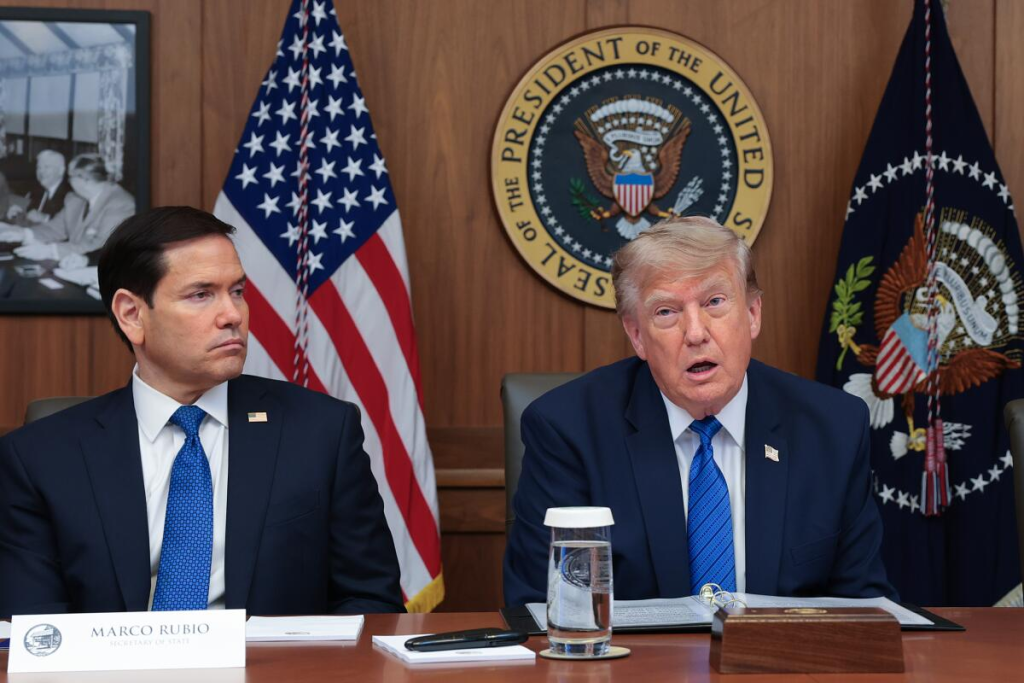
The tension described by Elmasry highlights a broader debate within the US foreign policy establishment regarding the limits of American influence over its regional allies. While the United States provides unprecedented military and financial support, it often struggles to translate this leverage into diplomatic compliance. For Trump, who has frequently sought to project the image of a master dealmaker, unilateral military action from allies can be seen as a direct challenge to his authority, leading to decisions like the sudden Trump cancel Iran strike initiative in an effort to maintain control over the diplomatic narrative.
These complex dynamics often result in highly charged meetings behind closed doors, prompting emergency sessions of the Camp David cabinet to reconcile conflicting intelligence and diplomatic objectives. When diplomatic initiatives are unilaterally bypassed or disrupted by tactical actions, it forces the US administration to choose between publicly rebuking its primary regional ally or quietly adjusting its own strategic goals to align with the new status quo.
Backchannel Negotiations and Disarmament Issues
While public statements focus on absolute compliance, the real progress—or lack thereof—usually occurs through highly sensitive backchannel diplomacy aimed at avoiding full-scale regional conflict. These quiet channels are essential for managing expectations and preventing miscalculations that could lead to an unwanted escalation. Within this framework, complex issues arise such as discussions regarding Hamas disarmament, a demand that has long been a non-negotiable requirement for Israel but remains an absolute red line for the militant group. This issue is compounded by the fact that as Hamas asserts political authority, the leverage of third-party negotiators diminishes, making a comprehensive withdrawal even more difficult to execute.
Regional Implications and Geopolitical Fallout
The failure to secure a viable, lasting peace in the enclave does not merely prolong localized suffering; it risks plunging the entire Middle East into a wider conflict, amplifying the broader economic consequences of the Iran war fallout. A failure to stabilize the region could disrupt energy exports, escalate shipping insurance rates, and jeopardize multinational security alliances. In analyzing these complex geopolitical frameworks, regional players often look to established guidelines such as those set by the United Nations peace frameworks, though their enforceability remains a subject of ongoing debate.
Comparing Regional Peace Agreements
To contextualize the challenges facing the current roadmap, it is helpful to compare the structural elements of different diplomatic initiatives brokered in the region over recent years. The table below outlines key features and the ultimate outcomes of these diplomatic efforts:
| Initiative / Treaty | US-Announced Objectives | Ground Execution Outcome | Primary Obstacle to Success |
|---|---|---|---|
| Trump Gaza Roadmap (2026) | Phased withdrawal, rebuilding, security guarantees | High skepticism, active localized security operations | Divergent domestic political motivations and security doctrines |
| JCPOA / Iran Nuclear Deal | Verifiable containment of nuclear development | Withdrawal, renewed sanctions, backchannel stalemates | Lack of long-term legislative binding in Washington |
| Lebanon Ceasefire Frameworks | Mutual demilitarization and border stability | Repeated tactical operations undercutting peace deals | Unilateral actions overriding brokered diplomatic terms |
Conclusion: A Fraught Path to Peace
Ultimately, the viability of President Trump’s proposed roadmap depends on whether the administration can bridge the massive trust deficit between the parties. As Mohamad Elmasry and other regional analysts have noted, the historical record suggests that public agreements are often fragile structures, easily demolished by domestic political pressures and tactical military decisions on the ground. Without robust, enforceable international mechanisms and a genuine realignment of domestic incentives within both Israel and Palestine, the current diplomatic push may find itself added to the long list of well-intentioned but ultimately unsuccessful Middle Eastern peace initiatives.