Gaza airstrikes persist despite Trump ceasefire announcement 2026
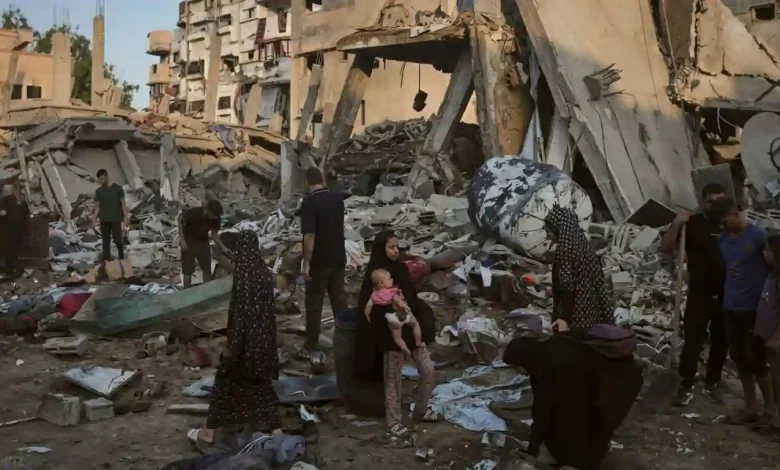
Table of Contents
Gaza airstrikes continued to ravage the blockaded territory for a second consecutive day on Sunday, killing at least four Palestinians and leaving scores injured. This renewed wave of violence comes at a highly sensitive moment, occurring immediately after U.S. President Donald Trump announced a significant diplomatic breakthrough. According to Washington, the breakthrough was aimed at finally implementing the Gaza ceasefire agreement negotiated last year. However, the deadly reality on the ground has quickly cast a long shadow of doubt over the feasibility of this long-sought diplomatic resolution.
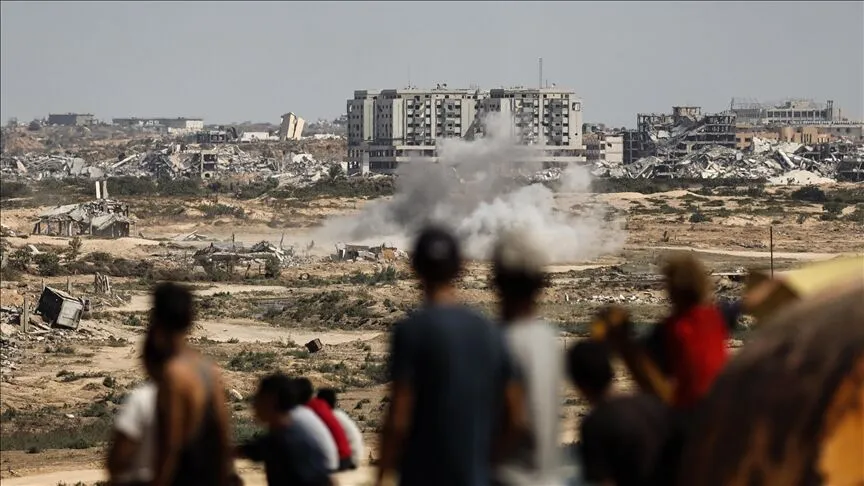
Palestinian health officials confirmed that Israeli warplanes conducted separate, targeted airstrikes in both Gaza City and Deir al-Balah, demonstrating that despite high-level announcements from the United States, military operations show no immediate signs of halting. The disconnect between Washington’s optimistic declarations and the ongoing kinetic operations highlights the deep-seated complexities of enforcing a lasting truce in one of the world’s most volatile conflict zones.
Introduction to the Escalation in Gaza
The sudden escalation on Sunday marks another tragic chapter in the long-running war. For months, international mediators have attempted to bridge the gap between the warring parties. Last year’s ceasefire agreement was widely viewed as the most comprehensive framework to date, yet its implementation has been repeatedly stalled by disputes over security corridors, troop withdrawals, and the exchange of hostages and prisoners. When President Trump declared a breakthrough, there was a brief glimmer of hope that the conflict might finally transition to a diplomatic track.
Unfortunately, that optimism was short-lived. The continuation of military actions on Sunday underscores the immense challenges that remain. Local residents in Gaza reported hearing the deafening roar of warplanes followed by massive explosions that shook residential sectors. Analysts suggest that the timing of these strikes may indicate a push by military commanders to maximize operational gains and solidify geographic positions before any potential implementation of a diplomatic framework actually takes effect.
Tactical Details of the Sunday Strikes
According to military observers, the Sunday morning operations were executed with high-precision munitions targeting specific municipal sectors. The Israeli defense apparatus maintained that its operations were focused on neutralizing active hostile assets and infrastructure. However, local medical teams and civil defense forces reported that the strikes heavily impacted built-up urban neighborhoods, resulting in immediate civilian casualties and severe damage to surrounding residential infrastructure.
First responders faced immense difficulties reaching the affected sites due to debris-strewn streets and the continuous threat of secondary strikes. The local healthcare system, which has been operating under emergency conditions for over a year, struggled to absorb the influx of newly wounded patients. Medical supplies remain critically low, complicating the efforts of doctors working in both Gaza City and central Gaza.
Casualties in Gaza City
In Gaza City, located in the northern half of the strip, an Israeli warplane targeted a structure in a heavily populated residential district. Palestinian health officials reported that at least two individuals were killed instantly in this strike, with several others pulled from the rubble with severe injuries. Eye-witnesses described a scene of absolute chaos as neighbors clawed through concrete dust and twisted metal to reach survivors before emergency crews could arrive.
The northern sector of Gaza has borne a disproportionate amount of destruction since the outbreak of hostilities. This latest strike further dampens the prospects of reconstruction and safe return for displaced families, many of whom have been forced to relocate multiple times over the past year.
Deir al-Balah Under Fire
Simultaneously, farther south in the central Gaza strip, Deir al-Balah was subjected to a separate aerial bombardment. Local medical authorities confirmed that another two Palestinians lost their lives in a strike that hit an eastern neighborhood of the city. Deir al-Balah has recently served as a refuge for hundreds of thousands of internally displaced persons who fled northern combat zones, meaning any military action in this area carries an exceptionally high risk of civilian collateral damage.
The central region of Gaza is currently facing extreme overcrowding, making the psychological impact of these ongoing airstrikes particularly acute. Families who believed they had found relative safety in central municipal zones are once again confronting the reality that no location within the blockaded territory is entirely safe from aerial operations.
Trump’s Ceasefire Announcement and Diplomatic Context
The continuity of these military operations directly challenges the narrative presented by the White House. Just hours prior to the Sunday strikes, President Donald Trump made a high-profile announcement asserting that a breakthrough had been reached. Washington’s diplomatic team has been working behind closed doors, often utilizing regional intermediaries, to put the finishing touches on the implementation protocol for the ceasefire agreement established last year.
In Washington, administrative officials expressed confidence that both parties were closer than ever to accepting a phased withdrawal of forces and a structured hostage-for-prisoner exchange. The Camp David cabinet has spent considerable energy over the summer attempting to synchronize these diplomatic efforts with broader regional security initiatives, hoping to present a major foreign policy triumph. However, the disconnect on Sunday demonstrates that translating diplomatic draft agreements into verifiable battlefield pauses remains an incredibly elusive goal.
Geopolitical Reactions and Global Pressures
The geopolitical landscape surrounding the Gaza conflict remains highly fragmented. While Washington continues to push its diplomatic agenda, regional actors are asserting their own strategic priorities. For instance, Hamas asserts political authority and security control over key administrative functions within the strip, refusing to accept any security arrangement that compromises its long-term operational viability or fails to guarantee a permanent end to the blockade.
At the same time, regional powers allied with the Palestinian cause are closely monitoring the situation. Diplomatic sources report that Iran rejects peace talks brokered solely under Western auspices, advocating instead for a multilateral approach that takes into account the broader security concerns of the entire regional axis. This complex web of alliances makes unilateral diplomatic declarations by any single global superpower exceptionally difficult to enforce on the ground.
The Wider Middle East Conflict Arena
The ongoing violence in Gaza cannot be analyzed in isolation; it is deeply intertwined with a broader regional proxy war that spans multiple borders. For months, the United States has attempted to manage a delicate balancing act in the region. Traditional US-Iran diplomacy has largely broken down, replaced by a pattern of low-intensity military engagements and aggressive economic sanctions designed to limit Tehran’s regional influence.
As tensions have flared across neighboring countries, the threat of a wider interstate war has consistently loomed over diplomatic efforts. Reports indicate that Trump considers massive strikes against external hostile entities if regional deterrence fails to hold. This threat of broader escalation directly affects the calculus in Gaza, as local actors adjust their combat strategies based on the perceived likelihood of a larger regional conflagration involving major global powers.
Economic and Energy Market Shockwaves
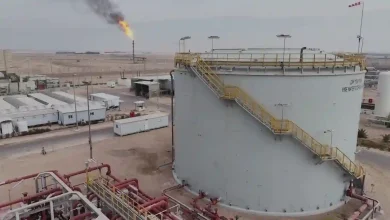
The persistence of the Middle East conflict continues to send shockwaves through the global economy, impacting energy markets and international supply chains. With key maritime shipping lanes in the Red Sea and the Persian Gulf remaining highly insecure due to regional proxy activities, global commodity traders are preparing for long-term disruptions. With oil prices projected to remain highly volatile throughout the fiscal quarter, manufacturing and transport sectors worldwide are bracing for increased operational costs.
This prolonged energy instability has direct domestic political and economic consequences. Financial analysts warn that rising fuel costs and supply chain constraints are exacerbating existing domestic challenges, as inflation threatens economy performance in both North America and Western Europe. Consequently, the pressure on Western leaders to secure a stable and verifiable peace deal in the Middle East is driven as much by domestic macroeconomic anxieties as it is by humanitarian concerns.
The Humanitarian Toll and Civilian Dilemma
As the political and military elites negotiate behind closed doors, the civilian population of the Gaza Strip continues to bear the ultimate cost of this protracted conflict. The destruction of residential areas, schools, and healthcare facilities has created an unprecedented humanitarian emergency. International human rights organizations have repeatedly called for immediate and unhindered humanitarian access to deliver food, clean water, and medical supplies to the displaced populations.
Critics of the military tactics employed in these dense urban environments often compare these events to other regional theatres of war. They point to controversial incidents, such as those involving US airstrikes white house denies hitting civilian assets in other campaigns, to highlight the persistent global challenge of minimizing non-combatant casualties during complex urban counter-insurgency operations. Until a robust, internationally monitored mechanism is put in place, civilians in Gaza will remain caught in the crossfire of high-level geopolitical posturing.
Data Comparison: Diplomatic Goals vs. Military Reality
The following table illustrates the stark contrast between the diplomatic goals declared by international mediators and the ongoing military realities observed on the ground on Sunday, August 2, 2026.
| Diplomatic Objective (U.S. / International Goals) | Tactical Battlefield Reality (Gaza Strip Status) | Key Obstacles to Resolution |
|---|---|---|
| Implementation of last year’s ceasefire agreement | Israeli warplanes launch consecutive airstrikes in multiple urban sectors | Disagreement over long-term security corridors and troop withdrawals |
| Comprehensive humanitarian relief access | Severe logistical bottlenecks and ongoing military activity limit aid delivery | Destruction of critical infrastructure and lack of secure transit zones |
| Regional containment of proxy conflicts | Cross-border tensions persist with proxy networks active in multiple countries | Absence of direct diplomatic channels between major regional powers |
| Establishment of a stable security framework | Local administrative bodies assert security control while resisting external mandates | Conflicting demands regarding sovereignty and demilitarization |
As the international community watches closely, the coming days will be critical in determining whether President Trump’s announced diplomatic breakthrough can survive the harsh realities of the ongoing campaign, or if the region will remain locked in a seemingly endless cycle of violence and geopolitical gridlock.