Negotiations with Iran Begin Under Trump Over Hormuz and Nuclear Deal 2026
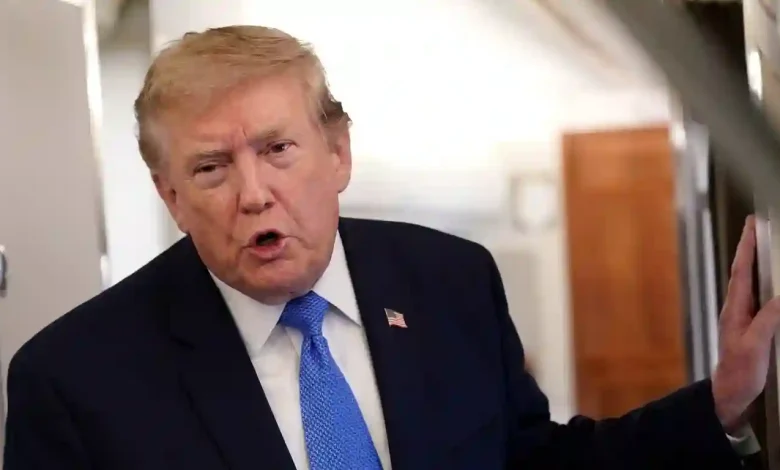
Table of Contents
Negotiations between the United States and Iran are scheduled to begin today, August 3, 2026, marking a critical diplomatic moment. As both nations hover on the precipice of a broader conflict, the resumption of indirect dialogue represents a fragile attempt to establish peace in a highly volatile region. Over the past five months, tensions in the Middle East have escalated exponentially, with both Washington and Tehran navigating complex political currents. The upcoming talks, expected to be facilitated through long-standing regional intermediaries, seek to finalize a framework that could prevent a full-scale confrontation. Many analysts view this development as a significant pivot from the military actions in the region that have dominated the geopolitical landscape over the preceding weeks. For citizens and global markets alike, these discussions offer a glimmer of hope that a permanent de-escalation can be achieved, although deep mistrust on both sides remains a formidable obstacle. As the region enters Day 155 of the conflict, the international community watches with bated breath to see if diplomacy can triumph over hostilities.
The Diplomatic Landscape of August 3, 2026
Today marks the critical initiation of indirect diplomatic contacts between the United States and Iranian representatives. This development occurs against the backdrop of intensive behind-the-scenes diplomacy aimed at preventing the current regional crisis from expanding into an unmanageable global conflict. Intermediary nations have worked tirelessly to coordinate the logistics, ensuring that both delegations can relay terms and counter-proposals in a structured, safe environment. Diplomatic source circles indicate that the primary objective of these initial sessions is to establish mutual parameters for security, preventing sudden escalations on either side that could derail the broader framework.
Trump’s Dual-Track Strategy: Maximum Deterrence and Direct Diplomacy
US President Donald Trump has positioned these talks as a key opportunity to secure a landmark agreement on nuclear non-proliferation and maritime security. Trump’s recent public statements suggest that he is seeking a comprehensive arrangement that addresses not only Iran’s nuclear capabilities but also the persistent disruptions within the Strait of Hormuz. In typical fashion, the US President has combined severe military threats with unexpected diplomatic overtures, signaling that while Washington is prepared to strike, it prefers a negotiated solution. This approach is highly reflective of the Trump administration’s broader strategic maneuvers which aim to compel adversaries to negotiate under intense pressure. By setting the August 3 launch date, Trump has forced regional players to act rapidly, creating a sense of urgency that has shifted the focus from potential battlefield escalation to high-stakes diplomacy. This diplomatic window was opened following his decision to halt military operations just hours before they were scheduled to commence, allowing space for negotiators to assemble and attempt to find common ground before any irreversible military actions are taken.
The Geopolitical Standoff Over the Strait of Hormuz
A central pillar of the proposed negotiations is the immediate, complete, and total reopening of the Strait of Hormuz, which is vital to global energy security. The waterway, bordered by Iran and Oman, serves as the main conduit for a significant portion of the world’s liquefied natural gas and oil supply. During the recent conflict, the strait was effectively closed, triggering a sharp increase in global crude oil prices and disrupting international shipping networks. Trump has insisted that any viable peace deal must guarantee the unhindered passage of merchant vessels through these waters, a demand that has previously stalled negotiations. According to Reuters, shipping data showed that traffic in the strait had slowed down drastically over the last several months due to persistent security threats and retaliatory attacks. Tehran, on the other hand, has used its control over the strait as a primary tool of deterrence, resisting efforts to return to pre-war conditions without securing major concessions from the United States. This dynamic heavily impacts Iranian energy exports and maritime security across the Persian Gulf, raising the stakes for all involved parties who rely on stable shipping corridors to keep energy markets running smoothly.
The Role of Oman: Final-Stage Negotiations for Maritime Security
While Washington and Tehran prepare for indirect talks, bilateral negotiations between Iran and Oman over the future management of the Strait of Hormuz are reportedly in their final stages. Iranian Foreign Minister Seyed Abbas Araghchi briefed the Cabinet on these developments, indicating that Muscat and Tehran are close to finalizing a mutual understanding. Unlike the broader US-Iran negotiations, these talks are strictly bilateral and focus on establishing a specialized shipping framework designed to secure safe passage while respecting national sovereignty. This regional mediation is crucial, as Oman has historically acted as a reliable bridge between Iran and the West. Araghchi emphasized that the goal of the negotiations is to prevent further insecurity and safeguard Iran’s sovereign rights without relying on extra-regional powers. The proposed agreement is expected to define a new transit route through the strait that departs from both the traditional northern and southern corridors, offering a localized solution to a global crisis.
Structuring a New Route for Safe Passage
According to Iranian Foreign Ministry spokesperson Esmaeil Baqaei, the proposed shipping route will represent a compromise that does not return to pre-conflict arrangements but instead introduces a novel mechanism for maritime transit. Under normal international maritime frameworks, vessels operate through a Traffic Separation Scheme managed by global bodies. However, Iran’s recent actions have sought to establish greater oversight and regulatory authority over shipping lanes. The current bilateral talks are exploring a middle ground that provides Iran with the national security assurances it demands while keeping the lanes open to commercial traffic. This localized effort is taking place in tandem with diplomatic efforts between Washington and Tehran, which are expected to address the broader geopolitical implications of any shipping agreement. Security experts note that if Muscat and Tehran can successfully implement this new framework, it could serve as a valuable blueprint for stabilizing other disputed maritime channels, showing that localized agreements can successfully mitigate international standoffs when structured correctly.
The Islamabad Memorandum of Understanding: Iran’s Center of Gravity
Iranian President Masoud Pezeshkian has strongly defended the Islamabad Memorandum of Understanding (MoU), signed in June 2026, as the ‘center of gravity’ for Iran’s foreign policy going forward. The document, brokered by Pakistan along with other regional mediators, was originally intended to establish a durable ceasefire and set a 60-day timeline for comprehensive peace negotiations. Despite subsequent violations and the resumption of hostilities, Pezeshkian has argued that the MoU remains the only viable path to a long-term resolution. In public statements, the Iranian President emphasized that the agreement was the product of extensive deliberations within Iran’s Supreme National Security Council, indicating a high level of consensus. Pezeshkian’s remarks highlight Tehran’s strategy of insisting on the enforcement of previously signed agreements, utilizing them as a legal and diplomatic shield against renewed US pressure and threats of military action. These terms are deeply intertwined with Iran’s official grievances regarding past diplomatic failures and current sanctions, which Tehran expects the US to address comprehensively.
Iran’s Internal Consensus on the June Accord
The internal alignment within Iran’s political and military establishment regarding the Islamabad MoU is a significant factor in Tehran’s current negotiating stance. By portraying the June agreement as a collective decision of the Supreme National Security Council, Pezeshkian has effectively neutralized hardline critics who might otherwise oppose negotiations with the United States. This domestic unity is crucial as Iran prepares to navigate the highly complex negotiations scheduled for August 3. Iranian officials have made it clear that while they are willing to engage in talks to prevent regional escalation, they will not accept any terms that undermine the core principles outlined in the June accord. This steadfastness has been echoed by other senior officials, who argue that the United States must be compelled to respect its prior commitments. Consequently, the Islamabad MoU will serve as the primary reference point for Iranian diplomats as they engage with international intermediaries, ensuring that any new consensus is built upon established understandings.
The Caspian Sea Strike: Crew Returns Home Amid Rising Pressures
Adding to the geopolitical complexity is the recent return of the crew of an Iranian commercial ship that was targeted in a deadly Ukrainian attack in the Caspian Sea. The semi-official ISNA news agency reported that the surviving crew members, along with the body of a sailor who was tragically killed in the strike, arrived back in Iran over the weekend. The attack, which took place in late July, has drawn fierce condemnation from Tehran, which has accused the Ukrainian government of executing the strike at the behest of external actors to widen the scope of the conflict. This maritime incident on Iran’s northern border has introduced a new vector of pressure, compounding the economic challenges already imposed by the US naval blockade on the southern coast. Although Kyiv claimed the targeted vessels were transporting military cargo, Tehran maintains that the ship was purely commercial, calling the incident a blatant violation of international law. The returning crew’s accounts are expected to fuel domestic political debates regarding maritime security and international navigation.
The Implications of Ukraine’s Attack on Iranian Shipping
The Caspian Sea incident has raised fears that the conflict, which had been primarily concentrated in the Persian Gulf and Levant, could expand into a trans-regional theater. Foreign Minister Abbas Araghchi has warned that the attack on Iranian citizens and assets cannot go unanswered, although subsequent diplomatic communications suggest both Kyiv and Tehran are currently seeking to avoid further escalation. This maritime strike highlights how closely interconnected global conflicts have become, with developments in Eastern Europe directly impacting the diplomatic calculus in the Middle East. For Iran, the loss of a sailor in the Caspian Sea has heightened domestic demands for stronger security measures, even as President Pezeshkian tries to keep the focus on diplomacy. The incident also serves as a stark reminder of the fragile security environment surrounding Iranian trade routes, reinforcing Tehran’s determination to secure firm guarantees in any upcoming negotiations with Washington, which often acts as a key backer for nations challenging Iranian interests globally.
The Mediating Role of Regional Intermediaries in the Conflict
Intermediaries such as Pakistan, Qatar, and Oman are playing an indispensable role in facilitating this latest diplomatic push. Because direct communication channels between Washington and Tehran are heavily strained, these third-party nations act as essential buffers, translating positions and cooling rhetoric before it translates into military action. Pakistan’s role in brokering the Islamabad MoU highlighted its growing diplomatic weight in the region, while Qatar continues to offer logistical and political support for high-level meetings. Oman, with its unique position bordering the Strait of Hormuz, provides the technical expertise required to manage local maritime corridors. Together, these nations form a robust mediation network that prevents minor misunderstandings from exploding into full-scale regional warfare. As negotiations begin on August 3, the effectiveness of this diplomatic network will be tested as never before, requiring seamless coordination and immense patience to guide both the United States and Iran toward a mutually acceptable resolution.
The Impact on Global Energy Markets and Economic Stability
Global energy markets have responded with extreme sensitivity to the shifting winds of diplomacy in the Middle East. The mere announcement that negotiations are set to begin on August 3 has already brought some relief to traders, leading to a modest stabilization of crude oil futures after weeks of high volatility. The Strait of Hormuz is widely regarded as the ultimate choke point for global oil transit, and any concrete progress toward its reopening would be a major victory for the global economy. Conversely, if these talks stall or collapse, the immediate threat of renewed military strikes would likely send prices skyrocketing once again, putting additional pressure on inflation-weary nations. International shipping conglomerates are closely monitoring the bilateral Oman-Iran talks, as a new transit route could dramatically alter shipping insurance rates and security protocols. For global economic stability, the stakes of today’s negotiations could not be higher.
Summary of Key Diplomatic Vectors
To better understand the divergent priorities of the parties involved in this geopolitical resolution effort, the following table summarizes the primary objectives and strategic levers of each major actor:
| Actor | Core Objectives | Diplomatic/Strategic Leverage | Preferred Framework |
|---|---|---|---|
| United States | Denuclearization, total reopening of the Strait of Hormuz, security guarantees for regional allies. | Economic sanctions, threat of imminent military strikes, international alliances. | New comprehensive agreement superseding previous treaties. |
| Iran | Enforcement of the Islamabad MoU, lifting of economic sanctions, sovereign control over maritime transit. | Control over the Strait of Hormuz, regional proxy networks, domestic security consensus. | The June Islamabad MoU as the “center of gravity” for future relations. |
| Oman | Regional stability, safe passage of global shipping, preservation of mediator status. | Geographic positioning on the Strait of Hormuz, neutral diplomatic relations. | Bilateral management framework inspired by the Strait of Malacca TSS. |
Future Outlook: Will the De-escalation Hold?
The diplomatic path forward remains highly uncertain, with several major challenges threatening to disrupt the newly established talks. While President Trump’s temporary pause of strikes has created space for negotiation, both sides are maintaining a posture of high military readiness. Any tactical misstep or localized incident in the Persian Gulf could quickly unravel weeks of delicate diplomatic preparation. Furthermore, domestic political pressures in both Washington and Tehran continue to restrict the amount of flexibility available to negotiators. For a lasting peace to take root, both nations must find a way to reconcile the strict security demands of the United States with Iran’s insistence on sovereign recognition and economic survival. The coming days will reveal whether this August 3 initiation is the beginning of a historic diplomatic breakthrough or simply another temporary pause in an ongoing regional conflict.