Basketball in Africa: BAL Fuels Multibillion-Dollar Growth 2026
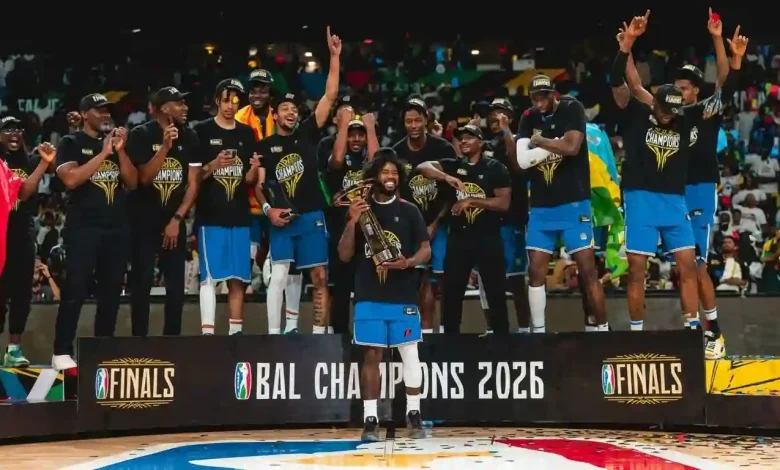
Table of Contents
Basketball in Africa is undergoing an unprecedented sports and economic evolution, transitioning from local street courts into a major catalyst for corporate investment and macro-regional growth. Historically, athletic ecosystems across the continent operated under severe structural limitations, with high-potential athletes lacking professional avenues to manifest their talents locally. Many were forced to migrate early, leaving behind communities starved of both sports entertainment and commercial development. However, the paradigm shifted definitively in 2021 when the National Basketball Association (NBA), in partnership with the International Basketball Federation (FIBA), launched the Basketball Africa League (BAL). This landmark initiative represented the NBA’s first professional league operated outside of North America, signaling a bold bet on Africa’s youthful demographics and rapidly urbanizing landscapes.
As global sporting organizations search for new markets to deploy capital, Africa stands out as a frontier of massive opportunities. The business of basketball on the continent is no longer just about entertainment; it is an economic engine. Much like the historic sports franchises that have anchored Western economies for over a century, the clubs emerging across Africa are creating self-sustaining micro-economies around their home arenas. This integration of sports and commerce is transforming cities like Kigali, Dakar, Cairo, and Johannesburg into regional hubs for sports tourism, infrastructure development, and corporate sponsorships.
The Dawn of a Sports Empire: BAL’s Inception and Vision
The Basketball Africa League was built on a foundation of long-term developmental vision rather than quick corporate gains. Established with 12 elite club teams representing different African nations, the BAL designed a tournament structure that brings together champions from across the continent. This unique framework leverages regional rivalries while elevating the operational standard of local clubs. By introducing high-level coaching, rigorous athletic training, and professional media production, the BAL has effectively raised the profile of the sport to an international standard in just a few seasons.
Crucially, the league’s business model relies on a public-private partnership framework that aligns with municipal development goals. Governments across Africa are beginning to realize that investing in world-class indoor sports facilities is a highly effective way to attract tourism and generate service-sector revenue. To assure institutional investors that their capital is safe, the BAL and its corporate partners have implemented robust financial models that prioritize sustainable arena development, youth outreach, and transparent governance systems.
Quantifying the Impact: $250 Million Contributed to African GDP
The concrete numbers behind the BAL’s early years demonstrate that this project is far more than a public relations campaign. According to economic assessments published by NBA Africa, the BAL has contributed over $250 million to Africa’s gross domestic product (GDP) since its inception in 2021. This massive economic infusion is felt across multiple sectors, including hospitality, aviation, local transit, and retail. Unlike traditional aid programs, the sports economy stimulates organic market demand, forcing cities to elevate their local service delivery to meet international standards. While global macroeconomic headwinds and shifting fuel costs have pressured local transit networks, the influx of international sports tourists has provided a vital buffer for host nations.
Job Creation and Economic Stimulus in Host Cities
Direct employment generated by the league is a cornerstone of its developmental success. Over the course of its first four seasons, the BAL has been linked to the creation of nearly 37,000 jobs across the continent. These positions span a diverse array of industries, including arena construction, security, hospitality, event management, media production, and digital marketing. Local vendors have seen unprecedented demand during tournament windows. For instance, when games are hosted in places like the SunBet Arena in Pretoria or the Kigali Arena in Rwanda, local hotels, restaurants, and artisanal markets witness a dramatic surge in revenue. This localized economic boom proves that sports can serve as a powerful tool for youth employment in regions facing high underemployment rates.
The Projections: Reaching a $5.4 Billion Economic Footprint by 2034
Looking toward the next decade, the financial projections for the Basketball Africa League are nothing short of extraordinary. NBA Africa estimates that by the year 2034, the league’s cumulative economic impact will grow to a staggering $5.4 billion. Accompanying this capital injection will be the creation of more than 650,000 new jobs over the next ten years. This level of growth relies on scaling the commercial footprint of the league through media rights deals, multi-year sponsorship agreements, and merchandising. It mirrors the disruptive high-growth business strategies commonly seen in high-tech startups or space exploration ventures, where initial heavy capital expenditure paves the way for exponential, compounding returns in later stages.
To visualize this transformation, consider the following comparative analysis of the BAL’s financial trajectory:
| Key Economic Metric | Inaugural Era (2021-2026) | Projected Era (By 2034) | Primary Strategic Drivers |
|---|---|---|---|
| GDP Contribution | $250 Million+ (Cumulative) | $5.4 Billion (Cumulative) | Franchise privatization, multi-market expansion, broadcast rights syndication |
| Job Creation | ~37,000 Jobs Linked | 650,000+ New Jobs | Permanent arena construction, local franchise operations, year-round academy programs |
| League Structure | Caravan-style conferences (Sahara, Nile, Kalahari) | 12 Permanent, City-Based Franchises | $50 Million private investor entry fees, localized team ownership models |
| Global Fan Reach | 1.5 Billion impressions, record YouTube views | Multi-platform global distribution | Strategic localization of media, youth physical development programs |
The Franchise Revolution: $50 Million Bids and Permanent Teams
A critical phase of this transition is the shift from a tournament-style caravan model to a permanent franchise-ownership structure. NBA Africa has initiated plans to transition the league by 2027 into a system composed of 12 permanent franchises based in major metropolitan areas. This bidding process is attracting elite global investors, with target franchises rumored to command entry fees of up to $50 million. Key metropolitan centers targeted for these permanent franchises include Lagos, Nairobi, Cairo, Dakar, Kigali, Johannesburg, Abidjan, and Casablanca. To make these teams successful, investors must deploy lucrative private equity investments designed to build world-class sports facilities, establish local coaching staffs, and drive community engagement.
This permanent structure creates a completely different asset class for global sports investors. Instead of merely sponsoring a brief tournament, private equity firms can now own a tangible piece of sports real estate in Africa’s most rapidly expanding markets. These franchises will operate year-round, generating recurring revenue through local ticket sales, localized merchandise, regional broadcasting rights, and academy systems that feed talent directly into the primary roster.

High-Profile Investors and Celebrity Backing
The investment profile of NBA Africa and the BAL has already attracted some of the most influential names in sports, business, and global leadership. Prominent figures like former U.S. President Barack Obama, and retired NBA legends including Dikembe Mutombo, Luol Deng, Grant Hill, and Joakim Noah, have taken active stakes in the continent’s basketball ecosystem. These high-profile backers bring more than just capital; they bring global credibility and access to elite networks. This network effect is driving institutional capital to the table, helping to bridge the gap between traditional sports funding and modern corporate structures. The level of prestige associated with these investors has turned the BAL into a premier lifestyle and business brand, making franchise ownership highly coveted among the global elite.
Addressing Challenges: Infrastructure, Logistics, and Market Disparities
Despite the overwhelming optimism, scaling a professional sports league across a continent of 54 nations presents distinct logistical and economic challenges. Africa’s sports ecosystem suffers from uneven development across regional hubs. While nations like Rwanda and South Africa possess state-of-the-art arenas, other highly populated basketball hotbeds, such as Nigeria or the Democratic Republic of Congo, still face immense infrastructure deficits. Flying teams across vast distances under varying regional regulations adds high operational costs.
Furthermore, the disparity in consumer purchasing power across different African nations means that ticket pricing and merchandise sales must be carefully localized. A one-size-fits-all model will not succeed. Instead, the BAL is adopting localized tier pricing and leveraging digital streaming platforms to reach the hundreds of millions of fans who cannot attend games in person. This approach ensures that while the league targets high-net-worth corporate sponsors, it remains deeply accessible to grassroots fans who form the lifeblood of the sport’s culture.
Transforming the Talent Pipeline: Beyond the Basketball Court
While the economic figures are highly compelling, the cultural and human impact of the BAL remains its most profound achievement. Historically, young African basketball players had limited pathways to showcase their skills, often reliant on rare international scouts or expensive overseas camps. Today, the BAL, coupled with initiatives like NBA Academy Africa and “Basketball Without Borders,” provides a structured, merit-based pipeline. We are witnessing spectacular athletic performances from homegrown talent who now see a realistic career path without having to leave the continent. Over 50 former BAL players have already transitioned to the NBA G-League, European leagues, and other international professional clubs, cementing the league’s reputation as a world-class talent incubator.
This developmental focus extends to the grassroots level. The NBA has heavily invested in community court building, coach training, and initiatives like “BAL4HER,” which promotes gender equality and female sports leadership. By integrating grassroots athletic health initiatives and educational opportunities within their youth academies, the league is nurturing well-rounded citizens as much as it is elite athletes. This holistic approach builds long-term community trust, ensuring that basketball remains a positive force for social mobility and public health across diverse African populations.
Conclusion: A New Era for Global Sports Business
Ultimately, the evolution of the Basketball Africa League represents a historic turning point in the globalization of sports commerce. By blending the operational expertise and marketing muscle of the NBA with the rich culture and athletic talent of Africa, the BAL has created a model that transcends the traditional boundaries of sports entertainment. The transition into a permanent, multi-million dollar franchise model over the next few years will codify this success, offering investors unprecedented access to one of the world’s fastest-growing consumer markets. If the projections hold true, the $5.4 billion economic footprint predicted by 2034 will not just elevate basketball; it will permanently redefine the economic potential of the entire African creative and sports industry.





2 Comments