Healthy school lunches: How Families Can Plan Nutritious School Meals Amid State Policy Shifts 2026
Table of Contents
Healthy school lunches have emerged as a primary focus for modern parents aiming to secure their children’s physical and developmental well-being. As several states push for better health regulations when it comes to food, many families are taking meal planning into their own hands. One simple way to encourage healthier eating habits is by packing nutritious school lunches. Planning healthy lunches for young children is not a new concept, but as students enter school, it can be hard to make sure they are getting the nutrition they need. Packing school lunches every day can quickly become repetitive, especially when kids get tired of eating the same meals. Fortunately, creating exciting and nutritious lunches doesn’t have to be complicated. With a little planning and a variety of ingredients on hand, parents can prepare lunches that are both balanced and appealing. The following lunch ideas and tips are adapted from recommendations shared by The Everymom, which offers practical, family-friendly inspiration for packing healthy school lunches.
The Regulatory Landscape and Parent-Led Nutrition
The shift toward parent-led school lunch planning represents a broader cultural reaction to institutional food standards. Over the last few years, local and national debates have raged over what constitutes an appropriate dietary foundation for growing children. We see this play out in various societal spheres, which mirrors the growing focus seen in state-level legislative shifts regarding school standards across the nation. As states grapple with varying budgets and corporate food lobby pressures, public school cafeteria menus frequently fall short of the fresh, nutrient-dense criteria that pediatricians recommend. Consequently, active parental involvement in meal prep is no longer just an administrative task; it has transformed into an act of culinary autonomy and health advocacy.
This transition is not isolated. Modern educational institutions are experiencing a massive reevaluation of what wellness means inside the school walls. This includes not only physical nourishment but also lifestyle limitations, much like the parallel efforts dedicated to managing screen time in modern schools to protect cognitive health and social development. When parents control the lunchbox, they gain absolute certainty regarding the macro- and micronutrients their child consumes during the critical midday period, insulating them from processed alternatives that are high in refined sugars and sodium.
Why School-Aged Children Require Custom Nutrition Solutions
The nutritional needs of a school-aged child are fundamentally dynamic, dictated by rapid growth spurts, high cognitive demands, and intense physical activity. During a typical school day, children use a vast amount of glucose to fuel brain function, concentration, and memory. Giving them simple carbohydrates and highly processed sugars creates a vicious cycle of energy spikes and subsequent crashes, leaving them fatigued and irritable by early afternoon. This is why a custom, parent-planned lunch is indispensable.
Providing balanced meals is often discussed alongside broader national wellness and child welfare discussions within administrative bodies. Pediatric nutritionists consistently emphasize that a child’s lunch must be packed with sustained energy sources—namely complex carbohydrates, lean proteins, and healthy monounsaturated or polyunsaturated fats. These elements slow down digestion, ensuring a steady release of glucose into the bloodstream. This physiological consistency supports sustained academic focus and physical endurance from morning recess until the final bell.
The Nutritional Blueprint of a Perfect Bento Box
The bento box format has completely revolutionized how parents prepare healthy school lunches. Its structural design naturally enforces portion control while encouraging variety, as separate compartments prevent foods from touching—a major victory for picky eaters. By visualizing the bento box as a miniature nutritional wheel, parents can ensure that all essential food groups are represented in a single, visually appealing container.
To construct a balanced midday meal, consider using a structured layout that balances macronutrient density with visual appeal. The following table provides a breakdown of different lunch styles and their corresponding benefits:
| Lunch Style | Nutritional Density | Preparation Time | Preservation & Safety | Child Appeal Rating |
|---|---|---|---|---|
| Bento Box DIY Lunchable | High (Vitamins, Proteins, Healthy Fats) | 10-15 Minutes | Requires cold pack to stay fresh | Excellent (Interactive & colorful) |
| Thermos Warm Meal | Excellent (Complex carbs, hot proteins) | 15-20 Minutes | Requires pre-heating thermos with boiling water | Very Good (Comforting during winter) |
| Pinwheel Wraps | Moderate to High (Depends on tortilla type) | 10 Minutes | Easy to keep chilled | High (Bite-sized & easy to handle) |
| Deconstructed Bistro Box | High (High protein, fiber, low sugar) | 5-10 Minutes | Highly stable with simple ice pack | Excellent (Great for older kids) |
As demonstrated in the comparison table, different lunch styles offer distinct trade-offs. The bento box DIY lunchable remains a standout choice for parents seeking a high-appeal, nutrient-dense solution that can be whipped up in under fifteen minutes. By focusing on colorful, compartmentalized foods, parents can turn an ordinary meal into an engaging, sensory experience.
Breaking the Monotony: Creative Weekly Themes
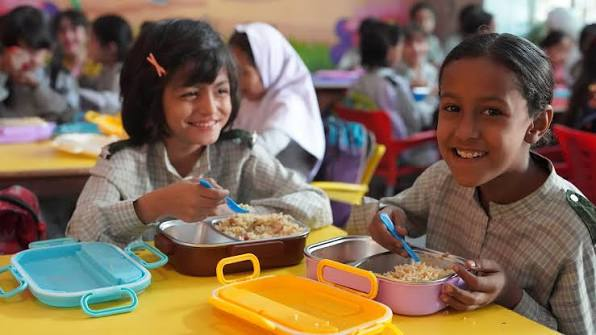
Repetitive school meals are one of the fastest ways to turn a child off from healthy eating. When a child sees the exact same turkey sandwich day after day, they are more likely to trade their lunch with peers or throw it away entirely. Fortunately, introducing weekly themes can keep both parents and children enthusiastic about packed lunches without requiring professional culinary training.
Drawing inspiration from historical archives and cultural dietary exhibits, we can see how childhood nutrition has always evolved alongside societal preferences and global influences. Integrating international themes into a child’s weekly schedule is a spectacular way to broaden their palate. For example, ‘Mediterranean Mondays’ could feature hummus, whole-wheat pita triangles, cucumber slices, and kalamata olives. ‘Taco Tuesdays’ can include a deconstructed taco bowl with brown rice, black beans, mild salsa, and baked tortilla chips. By categorizing meals into fun, predictable themes, children look forward to the surprise of what each day brings, transforming lunch from a chore into a daily adventure.
Practical Prep Tips Adapted from The Everymom
The Everymom has pioneered highly realistic, family-friendly approaches to making school lunch preparation sustainable for busy parents. One of their most powerful recommendations is the concept of a “prep station.” By dedicating a specific drawer in the refrigerator and a shelf in the pantry exclusively to pre-washed fruits, sliced vegetables, portioned cheeses, and wholesome snacks, parents can cut their prep time in half.
This systematic approach helps families maintain a sense of order, especially when they are prioritizing security and daily routine consistency in an unpredictable educational environment. Preparing elements in bulk over the weekend—such as boiling eggs, baking broccoli tots, or rolling turkey and spinach pinwheels—ensures that the chaotic weekday mornings are met with ease. A successful meal plan is built on systems, not daily miracles. When the ingredients are already prepped and accessible, assembling a vibrant, nutritious lunch takes no more effort than pouring a bowl of cereal.
Overcoming Common Barriers: Picky Eaters and Time Constraints
For many families, the greatest obstacle to packing healthy school lunches is not a lack of ideas, but the reality of picky eating and morning time constraints. Dealing with a child who rejects vegetables or refuses anything but white bread can test any parent’s patience. The key is gradual exposure and creative presentation, rather than forced consumption.
Parents can sneak nutrition into familiar favorites by using subtle swaps. For instance, blending spinach or carrots into a mild marinara sauce for a pasta thermos, or using mashed avocado as a spread instead of mayonnaise, adds essential vitamins without altering the lunch’s visual profile. Involving children in the preparation process is another proven psychological strategy; when kids have a hand in choosing which fruits go into their bento boxes, they feel a sense of ownership that dramatically increases the likelihood that they will actually eat the meal.
Financial Management: Balancing Quality and Budgets
A major concern for many families is the financial cost of purchasing fresh, organic ingredients. Buying specialized produce and premium proteins can quickly accumulate, straining household finances. This challenge is particularly acute during times of economic shifts, with local economic disparities affecting household spending across different municipalities.
Managing these expenses successfully requires smart shopping strategies. Parents can save money by tracking inflation indices and everyday household costs, allowing them to make strategic buying decisions. Purchasing staple goods like oats, brown rice, seeds, and dried beans in bulk provides a cheap, nutritious foundation for any meal. Additionally, focusing on seasonal produce—ensuring you buy fruits and vegetables when they are at their peak abundance—not only lowers grocery bills but also guarantees the highest level of flavor and nutritional density for your child’s lunches.
The Cognitive and Psychological Impact of Midday Nutrients
Ultimately, the effort invested in preparing healthy school lunches yields dividends that extend far beyond physical health. Modern science has established a profound connection between gut health and cognitive performance. Children who consume balanced meals rich in essential fatty acids, such as omega-3s found in seeds or wild-caught fish, exhibit better concentration, faster processing speeds, and emotional regulation throughout the afternoon.
When schools are demanding higher academic outputs and focus, providing the brain with premium fuel is a biological necessity. By packing lunches filled with whole foods, parents protect their children from the irritability, brain fog, and fatigue associated with artificial food colorings, preservatives, and high-fructose corn syrup. Investing in meal planning is quite literally investing in your child’s cognitive potential and classroom success, establishing healthy eating habits that will benefit them for a lifetime.