Two-speed economy: How Miami Exposes America’s Wealth Gap
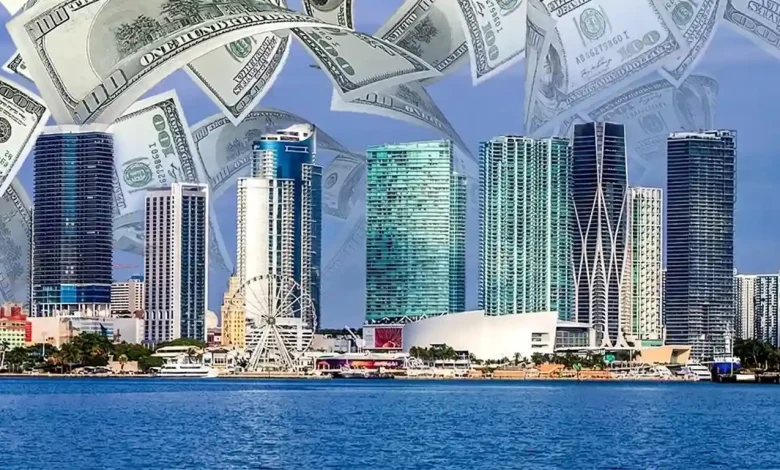
Table of Contents
Two-speed economy dynamics have increasingly defined the contemporary American financial landscape, splitting daily experiences into two vastly divergent realities: one for the wealthy, and one for everyone else. In metropolitan areas like Miami, Florida, this economic divide is no longer just a theoretical concept discussed by academic economists. Instead, it has become a tangible, daily struggle for working-class residents who find themselves squeezed out of the very neighborhoods they helped build. The story of Miami is a microcosm of a broader national phenomenon where soaring asset values, hyper-inflation in basic commodities, and a massive influx of external capital have combined to create an inhospitable climate for the average worker.
Introduction to the Dual-Speed Economy
The term ‘two-speed economy’ describes a financial system in which different sectors or demographic groups grow at dramatically different rates. While high-income earners benefit from booming stock markets, soaring real estate equity, and lucrative tech or finance salaries, low- and middle-income families face stagnant wages and escalating costs. This polarization is particularly acute in South Florida, where the contrast between extreme wealth and everyday survival is on display on every street corner.
As the regional economy modernizes, the benefits of this growth remain highly concentrated. The influx of tech startups, hedge funds, and multinational corporations has driven up the cost of living, creating a luxury-oriented environment that caters almost exclusively to the affluent. Meanwhile, the service-sector workers, teachers, healthcare professionals, and civil servants who keep the city functioning find themselves priced out of housing, food, and basic services. This economic divergence threatens the social fabric of the city, turning Miami into a playground for the wealthy while pushing the working-class to the margins of society.
The Miami Case Study: Natasha Armas and the Lived Experience
For Miami residents like Natasha Armas, the disconnect between official economic optimism and personal financial stability is an everyday reality. While national metrics often highlight robust GDP growth, low unemployment, and rising corporate profits, these macro-level indicators fail to capture the severe micro-level pressures of daily survival. For Armas, a single mother managing a household budget, the margin for error is non-existent. Skyrocketing rents and inflated grocery bills require her to make impossible choices between healthcare, childcare, and basic utilities.
The physical proximity of extreme wealth only intensifies this disconnect. From her neighborhood, Armas can see the luxury high-rises of Brickell and the multi-million dollar yachts docked along the bay. This visual representation of inequality serves as a constant reminder of a system that prioritizes corporate interests and high-net-worth individuals over the well-being of long-term residents. Her experience is shared by thousands of Miamians who are working longer hours for wages that buy less each year, illustrating the human cost of a dual-speed economic model.
Decoupling of Realities: Luxury Booms vs. Wage Stagnation
The decoupling of economic realities is driven by a fundamental imbalance between wage growth and asset appreciation. Over the past decade, asset classes such as real estate and equities have experienced exponential growth, driven by low interest rates and a global search for yield. Speaking of the broader macroeconomic climate, analysts tracing global financial market updates argue that capital concentration has rewarded those who already own assets while penalizing those who rely on wage labor. This dynamic has accelerated the wealth gap, making it nearly impossible for wage earners to build wealth or achieve financial security.
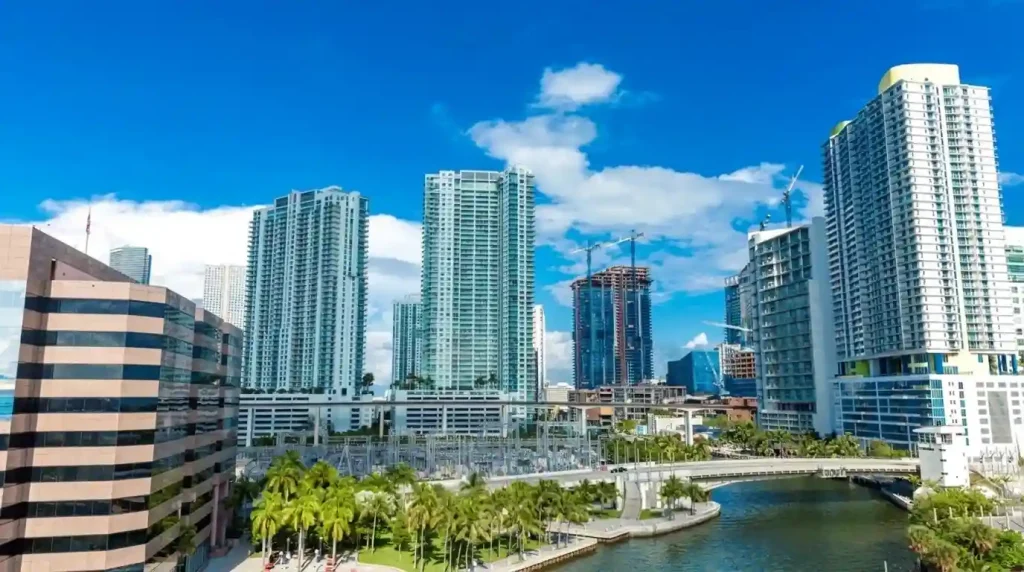
In Miami, this decoupling is amplified by the city’s success in attracting high-earning remote workers and corporate relocations. As wealthy professionals move to the area, they bring with them purchasing power that dwarfs the local median income. This influx of capital drives up demand for luxury goods, high-end dining, and upscale housing, prompting local businesses and developers to reorient their offerings. Consequently, the local service economy thrives on paper, but the workers fueling this boom do not share in the profits. Their wages remain tethered to local standards, which have failed to keep pace with the hyper-inflated costs of living.
Housing Costs as the Ultimate Divide
Housing has emerged as the ultimate structural barrier separating the rich from the rest. The influx of external capital has transformed Miami’s real estate market into a highly speculative asset class, driving property values and rents to historic highs. For long-term residents, this has translated into a severe housing affordability crisis. Average rents have risen by double-digit percentages annually, forcing working-class families to spend a disproportionate share of their income on housing. As inflation pressures mutate, the Federal Reserve remains cautious, much like State Department diplomats monitoring global security warnings that influence resource allocation.
The shortage of affordable housing is compounded by developer preferences for luxury construction. Because luxury condominiums and high-end rentals yield significantly higher profit margins, private developers have little incentive to build workforce housing. Intertwined supply chain pressures, often exacerbated by global trade disruptions, continue to raise construction costs, further discouraging affordable developments. This lack of balance in residential construction leaves low- and middle-income families with fewer housing options, forcing many to relocate further from their jobs or face displacement entirely.
The Macroeconomic Landscape: A Global and National Multi-Speed Engine
The dual-speed economy in Miami is not an isolated phenomenon; it is a reflection of structural trends operating at both national and global levels. Nationally, the post-pandemic recovery has been highly uneven. High-income households, which accumulated significant savings and benefited from asset inflation, have maintained strong spending patterns. This robust demand has kept consumer spending high, contributing to persistent inflationary pressures that disproportionately impact lower-income households. The resulting economic environment is one where the financial health of the top quintile masks the underlying vulnerabilities of the rest of the population.
Globally, the competition for resources, energy, and capital has further strained domestic economies. Public spending patterns have also shifted, with federal budgets heavily strained by mounting fiscal defense expenditures, leaving fewer resources for local infrastructure, social safety nets, and affordable housing grants. When national priorities favor defense and geopolitical security, local municipalities are left to navigate complex economic challenges with limited federal assistance, exacerbating regional inequalities and leaving vulnerable communities without adequate support.
Comparing Economic Disparity Metrics
To visualize the depth of the wealth divide in metropolitan areas like Miami, it is instructive to compare key financial indicators between high-income earners and the working-class population. The following table highlights the sharp differences in economic security and resource allocation:
| Economic Metric | High-Income Bracket (Miami Elite) | Working-Class Bracket (e.g., Natasha Armas) |
|---|---|---|
| Primary Income Source | Investment portfolios, corporate salaries, business equity | Hourly service wages, multiple part-time positions |
| Housing Status | Property owners, luxury condo investors | Rent-burdened tenants facing eviction risks |
| Disposable Income Impact | Unaffected by grocery and fuel inflation | Severe strain on essential spending and savings |
| Healthcare Access | Premium private insurance, concierge medicine | Limited employer coverage, high deductibles |
Structural Crises and the Disappearing Middle Class
The erosion of the middle class is a direct consequence of the dual-speed economy. Historically, a robust middle class served as the economic stabilizer of American cities, driving consumer demand and fostering social mobility. Today, that middle class is rapidly disappearing in Miami. High housing costs, escalating insurance premiums, and the rising cost of utilities have forced middle-wage earners—such as teachers, firefighters, and administrative staff—to make difficult decisions. Many are choosing to leave the region entirely, leading to labor shortages in critical sectors and undermining the quality of public services.
This displacement of middle-wage workers has long-term implications for the local economy. When essential workers can no longer afford to live in the communities they serve, the efficiency and safety of those communities are compromised. Furthermore, similar to how international economic sanctions squeeze the purchasing power of average households abroad, localized inflation and rising tax burdens slowly erode the financial independence of Miami’s remaining middle-class families. The resulting economic environment is increasingly polarized, with a small group of high-earning elites at the top and a large, struggling service class at the bottom.
Systemic Pressures and Municipal Failures
The systemic imbalances of the dual-speed economy leave the working-class highly vulnerable to everyday emergencies. For families living paycheck to paycheck, a single unexpected expense—such as a medical emergency or a car breakdown—can trigger a financial spiral. This systemic imbalance leaves the working-class vulnerable to everyday emergencies, echoing how systemic strains filter down into dramatic societal legal crises for individuals without a safety net. Without a robust local safety net or access to affordable legal and financial counsel, working-class residents are often left to face these crises alone, further deepening their economic marginalization.
Local municipal governments have struggled to implement effective solutions to address these systemic issues. Just as international actors must navigate regional geopolitical instabilities to secure their economic interests, local municipalities are caught in a delicate balancing act. They must attract high-value corporate investments to boost the local tax base while simultaneously implementing policies to protect vulnerable residents from displacement. Often, the policies enacted are insufficient, focusing on short-term fixes rather than addressing the structural roots of the wealth gap. This lack of comprehensive planning has fueled public frustration and heightened political divisions within the community.
Forward Outlook: Bridging the Divide or Deepening the Rift?
The future of Miami’s economy depends on the willingness of policymakers, business leaders, and community advocates to confront the structural inequalities of the dual-speed economic model. The political battle lines drawn over municipal budgets and zoning laws are becoming as deeply entrenched as regional domestic rivalries, highlighting the growing polarization that threatens social cohesion. To build a more inclusive and resilient economy, local leaders must prioritize investments in affordable housing, public transportation, and workforce development programs that equip residents with the skills needed for high-paying jobs in the modern economy.
Ultimately, a sustainable economic model must benefit all residents, not just a privileged few. If Miami is to remain a vibrant, diverse, and thriving global metropolis, it must bridge the deep chasm between the rich and the rest. By enacting comprehensive policy reforms and fostering equitable economic development, the city can create an environment where residents like Natasha Armas are not merely surviving, but actively participating in and benefiting from Miami’s growth. Without such concerted action, the two-speed economy will continue to pull the community apart, leaving long-term consequences for generations to come.