China Urges Iran and U.S. to Reopen Strait of Hormuz 2026
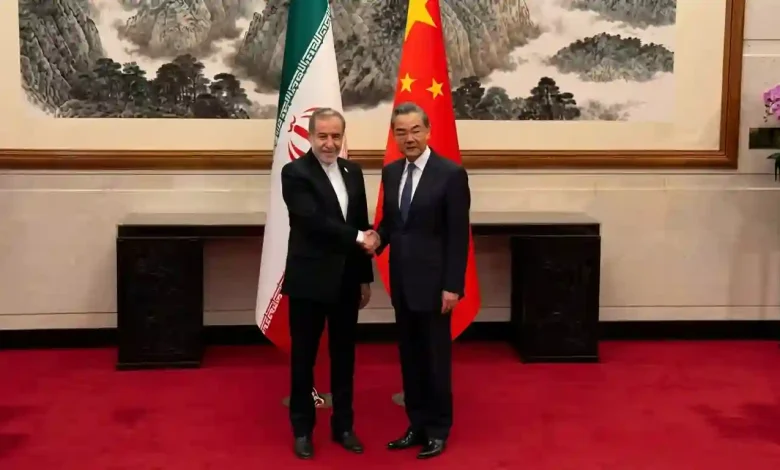
Table of Contents
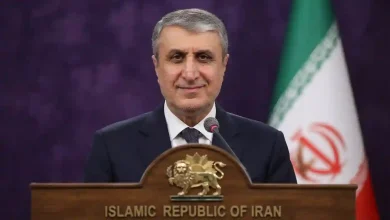
China urges both Iran and the United States to remain rational, exercise restraint, and immediately return to the structural framework of the Islamabad memorandum. This high-stakes diplomatic appeal was delivered directly by Chinese Foreign Minister Wang Yi to his Iranian counterpart during an emergency bilateral meeting in Beijing. Facing the specter of an escalating Middle East war that threatens to disrupt fragile global supply chains, Beijing has positioned itself as a central mediator, aiming to mitigate escalating military activities and foster direct, substantive consultations between the adversarial powers.
Introduction to Beijing’s Diplomatic Intervention
The diplomatic meeting in Beijing highlights China’s growing anxiety over the security of critical shipping corridors. Over the last several months, maritime operations in Western Asia have faced unprecedented disruptions, prompting Beijing to urge all relevant parties to take immediate and effective measures to reopen key trade routes at an early date. Foreign Minister Wang Yi’s public statements reflect a strategic determination to protect international energy transport networks and prevent a broader economic shock wave from crippling global markets.
Central to China’s diplomatic push is the direct prevention of conflict expansion into adjacent theaters. Chinese officials have explicitly stated that Beijing does not want to see regional tensions spill over further into Yemen and the Red Sea. By targeting these critical sub-regions, China is attempting to construct a diplomatic firewall around the Persian Gulf, safeguarding both its domestic energy security and its expansive Belt and Road infrastructure investments throughout the developing world.
The Islamabad Memorandum: A Path Back to Stability
The Islamabad memorandum represents a vital diplomatic baseline designed to prevent direct military confrontations between Washington and Tehran. This framework, which emphasizes mutual security guarantees, structured communications, and maritime de-escalation protocols, has recently faced severe stress due to localized skirmishes and geopolitical posturing. China’s insistence on a return to this agreement is a calculated attempt to restore a predictable, rules-based operational framework in the Persian Gulf region.
By urging both nations to engage in substantive consultations, Beijing seeks to bypass the circular rhetoric that has characterized recent Western-Iranian relations. The current Strait of Hormuz crisis has exposed the fragility of existing communication channels. Without a formalized return to the Islamabad memorandum, the probability of tactical miscalculations remains dangerously high, threatening to trigger a wider escalatory cycle that neither side can easily control.
Strategic Importance of the Strait of Hormuz and Global Trade
The Strait of Hormuz is widely regarded as the most critical oil transit chokepoint in the world. Approximately one-fifth of the world’s liquid petroleum consumption passes through this narrow waterway daily, connecting Middle Eastern oil producers with key industrial hubs in Asia, Europe, and North America. Any prolonged disruption to this maritime passage immediately reverberates through global stock exchanges, manufacturing sectors, and consumer markets.
As Iran growing more confident in its defensive and offensive posturing along its southern coastline, shipping firms face rising insurance premiums and operational uncertainties. Beijing’s reliance on stable shipping lanes is particularly acute; as the world’s largest crude importer, China depends heavily on unhindered transit through the Strait of Hormuz to fuel its industrial machinery and sustain domestic economic growth.
Economic Repercussions of Maritime Blockades
A partial or complete blockage of the Strait of Hormuz would drastically restrict global energy supplies, causing an immediate spike in crude prices. Such disruptions inevitably trigger systemic energy market volatility, forcing central banks worldwide to grapple with renewed inflationary pressures. The resulting logistical rerouting around the Cape of Good Hope adds thousands of miles to cargo journeys, driving up shipping costs and delaying the delivery of essential consumer goods.
Furthermore, prolonged instability in the Persian Gulf undermines global investor confidence, impacting capital flows to emerging markets. For manufacturing-heavy economies across East Asia, secure sea lines of communication are not merely a preference; they are an absolute structural necessity. This reality explains why China has taken such a public, active role in demanding a swift diplomatic solution to the ongoing maritime security crisis.
Preventing Spillover: Red Sea, Yemen, and the Houthis
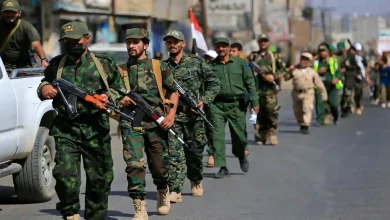
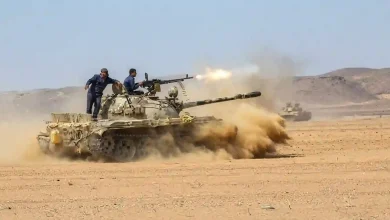
The strategic challenge of the current crisis lies in its interconnected nature. China’s warning against the spillover of tensions into Yemen and the Red Sea is a direct response to the coordinated asymmetric maritime campaigns executed by regional militias. The threat to international shipping lanes became even more pronounced following reports that the Houthis seize Mocha, a critical port city along the Red Sea coast, demonstrating their capacity to restrict trade far beyond the immediate Persian Gulf.
By securing key maritime choke points, the Houthis have effectively created a dual-front maritime challenge for international naval coalitions. This situation forces global commercial fleets to navigate multiple high-risk zones, drastically complicating logistics and driving up operational overhead. Beijing’s diplomatic engagement with Tehran is partly aimed at leveraging Iran’s regional influence to restrain these proxy operations, thereby stabilizing both the Red Sea and the Gulf of Aden.
Comparative Analysis of Global Oil Transit Chokepoints
To understand the unique vulnerability of the Strait of Hormuz, it is essential to compare it with other critical maritime chokepoints that dictate the flow of global trade and energy resources.
| Chokepoint | Daily Oil Flow (Million Barrels) | Primary Strategic Vulnerability | Key Regional Actors Involved |
|---|---|---|---|
| Strait of Hormuz | ~21.0 | Geopolitical escalation and direct military blockade | Iran, USA, Oman, UAE |
| Malacca Strait | ~16.0 | Piracy, high traffic density, and structural bottlenecks | Indonesia, Malaysia, Singapore, China |
| Suez Canal / Red Sea | ~9.0 | Asymmetric drone and missile strikes from Yemen | Egypt, Yemen (Houthis), Saudi Arabia, Israel |
| Bab el-Mandeb | ~8.5 | Regional civil conflict and coastal artillery placement | Yemen, Djibouti, Eritrea |
China’s Role as a Mediator in the Middle East Coalition
China’s emerging role as a diplomatic mediator represents a significant shift from its historical policy of non-interference. For decades, Beijing preferred to focus strictly on economic relationships, leaving security guarantees to Western powers. However, the changing global balance of power and China’s vast energy dependencies have forced a transformation in its foreign policy strategy.
By hosting high-level peace talks and invoking established frameworks like the Islamabad memorandum, Beijing is positioning itself as a pragmatic, neutral power capable of talking to all sides. Unlike Washington, which lacks formal diplomatic channels with Tehran, China maintains strong economic, diplomatic, and security ties with both Iran and Arab Gulf nations, giving it a unique capacity to relay critical messages during moments of high tension.
The Geopolitical Dynamics of Sino-Iranian Ties
The relationship between Beijing and Tehran is highly complex, defined by mutual economic interests and shared skepticism of Western geopolitical dominance. While Beijing remains a major buyer of Iranian oil, it must constantly balance this relationship with its critical trade ties with Saudi Arabia, the United Arab Emirates, and Western markets. When Iran vows painful response to regional provocations, China is forced to engage in delicate diplomatic maneuvers to prevent these reactions from escalating into a full-scale conflict.
Beijing’s leverage over Tehran is predominantly economic, driven by investments and oil purchases. However, this leverage is not absolute. Iranian decision-makers must balance China’s calls for restraint against their own domestic political pressures and regional security objectives. This dynamic makes Chinese diplomacy highly challenging, as Beijing must convince Tehran that regional stability ultimately serves its long-term strategic interests better than military escalation.
Washington’s Calculations and Strategic Responses
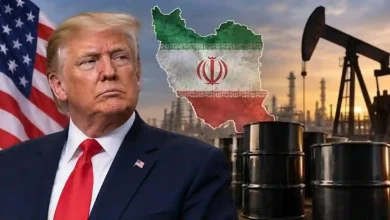
For the United States, managing tensions with Iran requires balancing deterrence with diplomatic off-ramps. The legacy of the Trump policy on Iran, which emphasized maximum economic pressure and targeted strikes, continues to shape Washington’s current strategic outlook. While the U.S. maintains a robust military presence in the Persian Gulf, there is a clear recognition that an open-ended maritime conflict would be economically disastrous.
As a result, Washington has kept communication channels open, often utilizing third-party mediators to signal red lines and explore potential de-escalation steps. However, if Tehran interprets diplomatic overtures as a sign of weakness, or if a localized incident triggers a devastating retaliatory action, the path to a peaceful resolution could rapidly disintegrate. This reality underscores the critical importance of Beijing’s push for structured, direct consultations under the Islamabad framework.
Conclusion: The Challenging Road to De-escalation
Restoring stability to the Strait of Hormuz and the broader Middle East remains one of the most complex challenges facing contemporary global diplomacy. The overlapping interests of local actors, coupled with the strategic competition between major global powers, create a highly volatile environment where even minor missteps can have catastrophic economic consequences. China’s proactive involvement demonstrates a clear understanding that in a highly globalized economy, isolation is no longer a viable security strategy.
Ultimately, the success of Beijing’s diplomatic push will depend on whether both Washington and Tehran are willing to look past immediate political considerations and prioritize the long-term stability of global energy transport routes. Returning to the Islamabad memorandum provides a realistic, structured pathway toward this goal, but it will require sustained commitment, genuine compromise, and an ongoing willingness to engage in substantive, direct dialogue.