Iran-aligned Houthis Seize Mocha and Capture Red Sea Islands 2026
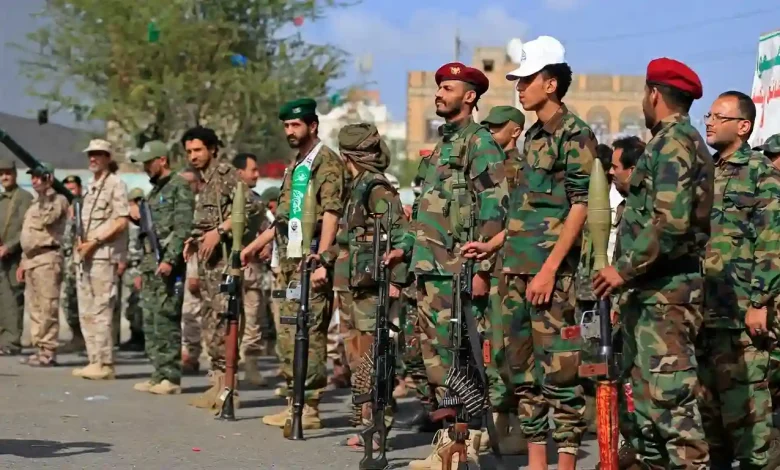
Table of Contents
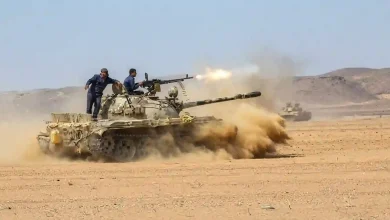
Iran-aligned Houthis have shocked regional security analysts by launching a rapid, coordinated offensive along Yemen’s western coastline, culminating in the seizure of the strategically vital port city of Mocha. This dramatic military maneuver, which occurred on Thursday, has shifted the balance of power along the Red Sea. In the hours following the capture of Mocha, Houthi forces advanced further southward, establishing footholds on critical offshore island chains, including the Hanish Islands. The timing of this offensive is particularly striking, coming just hours after United States President Donald Trump publicly stated his expectations for the broader ongoing Middle East war to draw to a close following the upcoming U.S. midterm elections. Instead of a de-escalation, this bold move signals an intensification of the conflict, directly targeting one of the world’s most critical maritime corridors and challenging international efforts to stabilize global shipping routes.
Introduction to the Red Sea Escalation
The geopolitical landscape of the southern Red Sea has been thrown into disarray following the sudden territorial advances of the Houthi forces. For months, the military dynamics along the coast of Yemen had remained relatively static, defined by sporadic exchanges of artillery and localized skirmishes. However, the coordinated assault on Thursday marks a major departure from this stalemate, representing a significant escalation that carries deep implications for global trade and regional security architectures.
Western intelligence agencies and regional military commanders are currently assessing how Houthi forces were able to bypass maritime monitoring networks to launch such a swift offensive. The capture of Mocha, historically known for its central role in global commerce, is not merely a territorial victory but a strategic positioning that grants the insurgent group a highly defensible base of operations directly adjacent to international shipping lanes.
Mocha :The Fall of Mocha and the Push Southward
Mocha represents a major tactical and symbolic prize for the Houthi movement. According to military sources within the internationally recognized Yemeni government, Houthi fighters executed a swift encirclement of the city, overwhelming local defending forces who were hampered by supply bottlenecks and fragmented command structures. The rapid collapse of government defenses in Mocha allowed Houthi forces to quickly consolidate their positions and secure the harbor infrastructure.
Almost immediately after taking the city, mechanized and amphibious units of the Houthi forces pushed farther down the coast. This aggressive expansion indicates a well-planned campaign rather than a localized opportunistic assault. By securing Mocha, the Houthis have established a robust staging ground to launch further coastal operations, significantly compressing the defensive perimeter of government-aligned forces in southern Yemen and threatening the temporary capital of Aden.
Strategic Importance of the Hanish Islands
The advance did not stop at the coastline; military sources confirmed that Houthi forces successfully deployed small, high-speed vessels to reach and occupy the Hanish Islands. This archipelago, situated in the southern half of the Red Sea, holds immense strategic value. Historically contested between Yemen and Eritrea, the islands command a panoramic view of the shipping lanes funneling into the narrow Bab el-Mandeb Strait.
Controlling the Hanish Islands gives the Houthi forces an unparalleled vantage point. From these rocky outposts, they can deploy radar systems, launch anti-ship missiles, and station fast-attack craft. This naval leap dramatically increases their ability to interdict both commercial vessels and military warships. Any military effort to retake these islands would require a complex, high-risk amphibious operation, making the Houthi occupation a difficult fait accompli for regional and international coalitions to reverse.
Impact on the Bab el-Mandeb Strait and Global Shipping
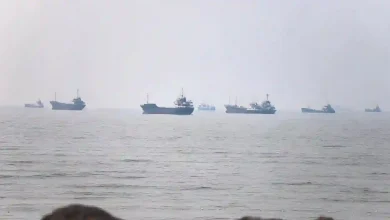
The primary concern for international observers is the enhanced leverage the Houthis now possess over the Bab el-Mandeb Strait, the “Gate of Tears.” This narrow strait, separating the Arabian Peninsula from the Horn of Africa, acts as the southern gateway to the Suez Canal. Millions of barrels of oil and billions of dollars in commercial goods pass through this channel daily.
With the Houthis positioned in Mocha and on the Hanish Islands, the risk of a total or partial blockade of the strait has risen exponentially. This development mirrors the volatile dynamics of the Strait of Hormuz conflict, where asymmetric naval threats have repeatedly disrupted global markets. A prolonged threat to the Bab el-Mandeb could force international shipping conglomerates to reroute vessels around the Cape of Good Hope, adding thousands of miles and massive fuel costs to global supply chains, inevitably feeding into global inflationary pressures.
Political Reactions: Trump’s Midterm War Predictions
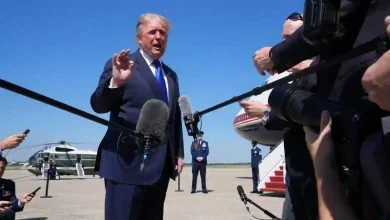
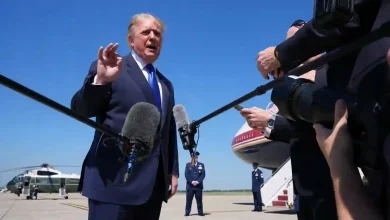
The escalation on the ground stands in stark, ironic contrast to the political rhetoric emanating from Washington. Only hours prior to the fall of Mocha, President Donald Trump addressed reporters, expressing optimism that the regional conflict would find a resolution shortly after the U.S. midterm elections. This assessment was widely interpreted as an attempt to reassure voters concerned about foreign military entanglements and rising domestic fuel prices.
However, the Houthi offensive highlights the profound disconnect between diplomatic wishful thinking and the harsh realities of proxy warfare. While Washington hopes for an orderly diplomatic exit, regional actors backed by Tehran appear determined to maximize their territorial and strategic gains. This disconnect is likely to trigger intense domestic debate in the United States regarding the efficacy of current foreign policy measures, particularly as the escalation of regional military tension shows no signs of abating.
Comparing Strategic Maritime Chokepoints
To understand the global significance of the Houthi advance, it is useful to compare the Bab el-Mandeb with other critical maritime chokepoints. The table below details the strategic metrics of key global shipping lanes currently facing geopolitical pressures.
| Maritime Chokepoint | Daily Oil Transit (Million Barrels) | Primary Geopolitical Threat | Strategic Control Nodes |
|---|---|---|---|
| Bab el-Mandeb Strait | ~6.2 – 8.0 Million | Houthi asymmetric warfare, anti-ship missiles | Mocha, Hanish Islands, Perim Island |
| Strait of Hormuz | ~20.5 Million | Iranian naval interdiction, sea mines | Larak Island, Qeshm Island |
| Malacca Strait | ~16.0 Million | Piracy, regional superpower competition | Singapore Strait, Nicobar Islands |
| Suez Canal | ~5.0 Million (equivalent) | Political instability, upstream blockades | Sinai Peninsula, Port Said |
Tehran’s Geopolitical Leverage and Regional Objectives
The Houthi advance cannot be viewed in isolation from the broader strategic calculations in Tehran. Iran has long provided the Houthis with advanced drone technology, ballistic missiles, and intelligence support. By empowering their Yemeni allies to capture Mocha and the Hanish Islands, Tehran has effectively extended its strategic reach deep into the Red Sea.
This expanded footprint allows Iran to project power far beyond its immediate Persian Gulf neighborhood. In negotiations with Western powers, the ability to disrupt Red Sea transit serves as a powerful bargaining chip. Whether addressing economic sanctions, nuclear enrichment disputes, or regional security architectures, Tehran can leverage the Houthi presence to extract concessions. This calculated expansion of influence demonstrates how regional proxies are utilized to conduct highly coordinated economic and financial maneuvers on the global stage.
Economic Ramifications on Global Oil and Commerce
The immediate consequence of the fall of Mocha has been felt across global financial and commodity markets. Energy traders, already jittery due to ongoing Middle Eastern tensions, reacted swiftly to the news of the Houthi advance. Analysts have updated their models, with projected global oil prices experiencing upward pressure as the risk premium associated with Red Sea transit rises.
Beyond oil, the broader commercial shipping sector faces a severe crisis. Maritime insurance premiums for vessels traversing the Bab el-Mandeb have surged, making transit prohibitively expensive for many standard cargo liners. This development is already causing a ripple effect throughout global manufacturing, as delayed components lead to heightened supply chain volatility. Standard container shipping, which carries consumer electronics, apparel, and automotive parts, must now navigate these treacherous waters or commit to costly detours.
Global Responses and Diplomatic Impasse
The international response to the Houthi advance has been marked by diplomatic condemnation but limited unified action. The United Nations Security Council convened an emergency session to address the seizure of Mocha and the Hanish Islands, urging an immediate ceasefire and a return to the negotiating table. However, deep-seated divisions among permanent members have prevented the passage of a strong, enforceable resolution.
Meanwhile, regional powers are attempting to navigate this highly volatile landscape. Countries like Pakistan are finding themselves forced to engage in complex diplomatic balancing acts in Asia and the Middle East, attempting to maintain vital trade relations with Gulf Arab states while avoiding direct confrontation with Iran. The inability of the international community to form a cohesive security response has only emboldened the Houthi leadership, who view the current global indecision as an open invitation to solidify their territorial gains.
Conclusion and Future Geopolitical Outlook
The fall of Mocha and the Houthi advance to the Hanish Islands mark a pivotal moment in the Yemeni conflict and the wider struggle for Middle Eastern hegemony. By securing these critical positions, the Houthis have transformed themselves from a domestic rebel group into a major regional actor capable of dictating terms along one of the world’s primary economic arteries. Despite optimistic predictions from political leaders regarding a swift end to the war, the reality on the water suggests a far more prolonged and dangerous standoff. As the international community grapples with the economic fallout and security threats in the Red Sea, the need for a comprehensive, realistic maritime security strategy has never been more urgent.