U.S. officials Meet Houthi Representatives in Oman 2026
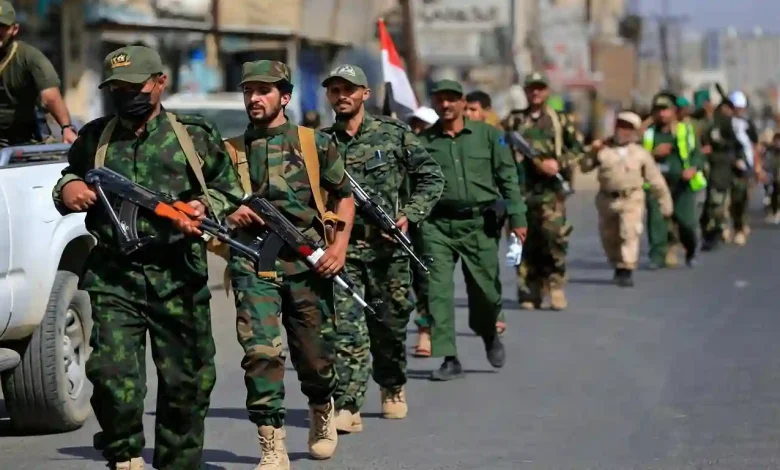
Table of Contents
U.S. officials met representatives of Yemen’s Houthi movement in Muscat, Oman, over the weekend, marking a highly critical and unpublicized shift in diplomatic engagement. This discrete gathering took place at the U.S. Embassy in Muscat, according to five sources familiar with the matter who spoke on the condition of anonymity. Organized with the assistance of the Omani government—a longtime regional mediator—the discussions occurred just days after a sweeping offensive along the Red Sea coast dramatically altered the balance of power on the ground. The suddenness of the offensive and the diplomatic maneuvers that followed have raised urgent questions regarding the potential escalation of a broader middle east war that could disrupt global energy security and regional stability.
Inside the Secret Muscat Dialogue
The secretive meeting in Muscat represents a major development in the quiet diplomatic channels between Washington and the Houthi leadership, officially known as Ansar Allah. Historically, direct dialogue has been rare and highly guarded, reflecting the deep geopolitical chasm separating the two entities. Sources indicate that the primary objective of the meeting was to establish a direct line of communication to de-escalate maritime tensions. This push for dialogue intensified rapidly after the iran-backed houthi forces seizing control of mocha caught regional intelligence agencies off-guard, reshaping the geography of the conflict overnight.
During the sessions at the embassy, American diplomats sought to assess the Houthis’ long-term governance intentions along the coast and warned against further disruptions to international shipping. The Houthi delegation, conversely, demanded a halt to coalition military operations, a lifting of regional blockades, and formal recognition of their administrative control over key coastal areas. The presence of Omani intermediaries was essential to maintaining a neutral and productive environment, allowing both sides to outline red lines without immediate public posturing.
The Red Sea Offensive and the Fall of Strategic Coastlines
The strategic landscape of western Yemen changed overnight following a massive Houthi military campaign. The offensive targeted coastal positions that had been secured for years by an array of local coalitions supported by regional powers. By breaking through these defensive lines, the Houthi forces have gained an unprecedented foothold on the Red Sea, directly overlooking one of the world’s most critical maritime corridors.
The Military Rout of Saudi-Backed Forces
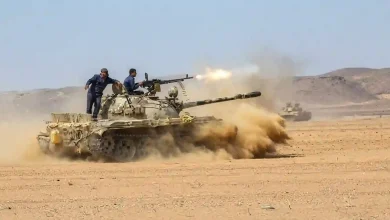
The offensive was characterized by rapid tactical maneuvers, advanced drone deployment, and coordinated artillery barrages. Military analysts note that Houthi forces bypassed heavily fortified positions to quickly encircle and overwhelm local garrisons. It was during this high-stakes offensive that the militia seized the critical port of mocha, forcing a rapid and disorganized retreat of Saudi-backed ground forces. This sudden shift exposed significant vulnerabilities in the coalition’s defensive posture and defense planning along the Tihama plain.
Local reports suggest that the defensive lines collapsed due to a combination of supply shortages, fragmented local leadership, and highly effective Houthi electronic warfare that disrupted local communications. The loss of these strategic territories has sent shockwaves through regional capitals, forcing a rapid reassessment of the military balance of power in Yemen and highlighting the limits of relying solely on localized proxy forces.
Disruptions to Global Trade Infrastructure
The Red Sea serves as a primary artery for global commerce, carrying over twelve percent of global trade, including massive shipments of oil, liquefied natural gas, and consumer goods. Houthi control of this coastline places commercial shipping lines within range of land-based anti-ship missiles and unmanned attack craft. This geographical shift has already begun to impact commercial shipping, heightening the strait of hormuz tension as shipping lanes throughout the Middle East face heightened surveillance and vulnerability.
International shipping conglomerates are actively evaluating whether to route cargo vessels around the Cape of Good Hope, a costly alternative that adds weeks to transit times and dramatically increases fuel and logistics expenses. The potential for prolonged disruption has placed pressure on the global economy, as supply chains are already sensitive to geopolitical shocks and energy price volatility.
Oman’s Diplomatic Mediation and Neutral Legacy
Oman has long positioned itself as the “Switzerland of the Middle East,” maintaining a strictly neutral foreign policy that enables it to bridge divides between adversarial nations. Muscat’s unique position allows it to talk to Washington, Tehran, Riyadh, and the Houthi leadership simultaneously, making it an indispensable player in conflict resolution. Omani diplomats played a crucial role in coordinating the logistics of the weekend meeting, ensuring confidentiality and security for all delegations involved.
The Omani approach focuses on preventive diplomacy and the creation of backchannels to prevent localized conflicts from escalating into regional conflagrations. Under the guidance of Sultan Haitham bin Tariq, Oman has steadily built trust with all major factions in the Yemeni conflict. By facilitating these direct discussions, Muscat hopes to lay the groundwork for a broader, sustainable cease-fire framework that addresses both international maritime security and local humanitarian needs.
Summary of Red Sea Conflict Dynamics
To better understand the multifaceted aspects of this diplomatic and military development, the following table outlines the key dimensions of the current crisis, the responses of key global actors, and the long-term strategic implications.
| Strategic Dimension | Houthi Coastal Control | U.S. Diplomatic Objectives | Regional Security Outlook |
|---|---|---|---|
| Military & Geography | Seized critical coastal positions and ports along the Red Sea. | Halt advance, secure shipping lanes, and assess Houthi intent. | Highly volatile; increased risk of direct maritime confrontations. |
| Alliance Dynamics | Supported by Iranian technical and military expertise. | Reassure Saudi and regional partners of defensive commitments. | Strained relations; shift towards decentralized proxy warfare. |
| Economic Footprint | Direct leverage over Bab al-Mandab choke points. | Mitigate shipping lane disruption and control transit insurance costs. | Rising transit times and potential energy price spikes worldwide. |
Shifting Alliances: Washington’s Strategic Recalibration
The quiet shift toward direct dialogue demonstrates a pragmatic recalibration of American foreign policy in the Middle East. While Washington continues to publicly support its regional partners, the reality on the ground has forced a more flexible approach. The realization that military force alone cannot fully secure the Red Sea has led to a dual-track strategy combining targeted defense with discrete diplomacy, especially under escalating regional pressures that force the administration to seek immediate stability.
The Role of Iranian Support
A central topic of discussion during the secret talks was the extent of Iranian influence and material support to the Houthi movement. Washington has repeatedly accused Tehran of supplying advanced missile components, intelligence, and drone technology to Ansar Allah. This support has greatly enhanced the Houthis’ asymmetric warfare capabilities, reflecting tehran’s geopolitical strategies designed to exert leverage over the West by threatening critical maritime trade routes.
By engaging directly with the Houthis, U.S. diplomats are attempting to test whether the group is willing to chart a course independent of Tehran’s broader regional agenda. However, intelligence analysts remain skeptical, pointing out that the Houthis’ military capabilities remain deeply intertwined with Iranian supply lines and technical assistance. Any meaningful de-escalation will likely require broader regional understandings that address these underlying proxy networks.
Security Implications for the Bab al-Mandab Strait
The Bab al-Mandab Strait is a critical chokepoint between the Horn of Africa and the Middle East, connecting the Red Sea to the Gulf of Aden and the Arabian Sea. Houthi control of adjacent coastlines places them in a position of immense strategic influence. The international community, led by the United States and its allies, has sought to protect this corridor through multilateral maritime task forces, but policing such a vast area against asymmetric threats remains incredibly challenging.
Despite the heavy imposition of u-s-economic sanctions designed to isolate the rebel government, the Houthis have managed to sustain and expand their military operations. This resilience has highlighted the limitations of economic pressure alone, forcing Washington to employ more aggressive diplomatic maneuvers alongside traditional defensive deterrence to safeguard international commercial shipping routes.
Future Policy Directions and the Path to Stability
As the diplomatic dust settles from the weekend’s meetings in Muscat, the path forward remains highly uncertain. For the United States, the challenge lies in balancing its commitment to international maritime law and regional allies with the practical necessity of managing a powerful non-state actor on the ground. A purely military approach risks dragging the region into a deeper conflict, while an overly accommodating diplomatic posture could embolden further Houthi territorial expansion.
A sustainable solution will require a comprehensive framework that addresses the root causes of the Yemeni civil war, secures the freedom of navigation through the Red Sea, and establishes robust monitoring mechanisms to prevent the proliferation of advanced weaponry. Until such a framework is achieved, the backchannel diplomacy in Oman remains a crucial safety valve, preventing miscalculations from turning a regional crisis into an unmanageable global conflict.