Iran Grows More Confident in Striking Middle East Targets 2026
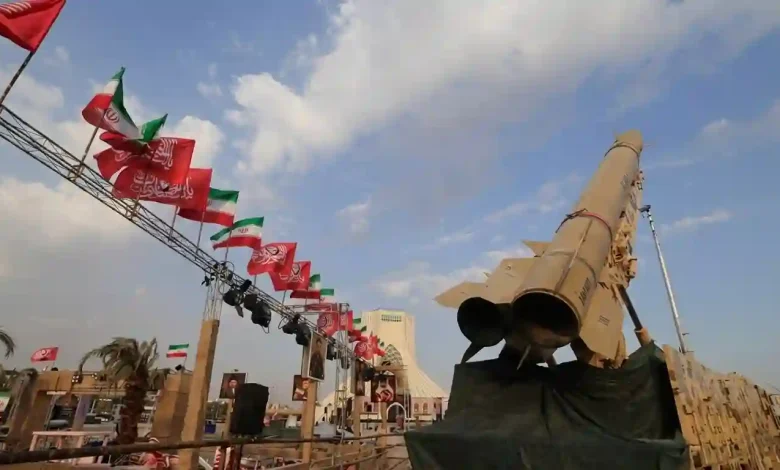
Table of Contents
Introduction: A More Confident Adversary
Iran has emerged from months of on-again, off-again confrontation with a far deeper understanding of its military strengths and limits, making its leadership increasingly confident in its ability to strike targets across the Middle East. According to recent intelligence reports reviewed by senior American officials, the clerical regime in Tehran appears determined to prolong the conflict for months to come. This strategy is deliberately calculated to frustrate the United States, disrupt regional maritime security, and drain the diplomatic capital of the current administration. After a brief period of relative calm, fighting has erupted anew, confirming the assessments of intelligence analysts who warned that the conflict was far from over. This ongoing cycle of mutual strikes indicates a new phase of escalation where Tehran feels it holds significant leverage.
Deciphering the Intelligence: A Shift in Tehran’s Military Strategy
In many respects, the assessments compiled in recent weeks reflect what has been clearly observable on the ground. A series of newly compiled Washington outlines strategic objectives reports note that the Iranian leadership is no longer operating under a defensive crouch. Instead, they are actively looking to exploit gaps in regional security. Intelligence analysts point out that Iran’s hardline government is actively contemplating a significant escalation. Rather than seeking a quick exit ramp to escape international pressure, Tehran is preparing for a long, grinding campaign of attrition. This shift in military thinking suggests that six months of hostilities have not weakened Iran’s resolve; rather, they have emboldened the country’s leadership by proving their ability to withstand heavy counterstrikes. The ongoing conflict with Iran has shown that the regime is willing to absorb tactical losses in exchange for maintaining its long-term strategic posture.
The Battleground of the Strait of Hormuz and Gulf Waters
One of the primary arenas where this confidence has manifested is the vital maritime corridor of the Persian Gulf. Iran has recently stepped up its targeting of commercial shipping and military vessels in the Strait of Hormuz tension points, reminding the international community of its ability to choke global energy flows at will. In the past week alone, Iranian forces targeted multiple ships in the strait while concurrently launching drone and missile attacks against American troops stationed across the region. In response, U.S. forces struck targets inside Iran, killing both military personnel and civilians. While both sides have kept their immediate retaliatory exchanges somewhat limited to prevent an outright regional war, the intelligence indicates that Iran sees its maritime interdiction capabilities as a critical tool of asymmetric leverage. By maintaining a high state of friction in these waters, Tehran forces global shipping companies to reroute and dramatically escalates insurance premiums, hitting the global economy where it hurts most.
Trump’s Policy: Sanctions, Economic Pressure, and Political Dimensions
On the political front, President Donald Trump has returned to a familiar playbook, asserting that economic coercion remains the most effective tool to bring Tehran to its knees. The administration continues to enforce a relentless economic pressure campaign designed to starve the Iranian state of the revenue needed to fund its regional proxies and military programs. However, intelligence assessments suggest that these sanctions are having the opposite short-term effect, acting as a provocateur that drives further military escalation rather than forcing concessions. Senior Iranian officials have openly refused direct diplomatic outreach from Washington, calculating that any deal signed under current conditions would be perceived as a capitulation. Instead, Tehran is content to weather the economic storm, using the conflict to distract from domestic economic struggles and unify its hardline base under a banner of anti-American resistance.
Drone and Missile Capabilities: The Backbone of Iranian Deterrence
At the center of Iran’s military confidence is its extensive and highly sophisticated stockpile of ballistic missiles, cruise missiles, and one-way attack drones. Throughout the iran war stalemate, Tehran has repeatedly demonstrated that it can bypass advanced Western air defense networks to strike precise targets. This capability has fundamentally altered the security equation in the Middle East. Iranian commanders now understand that they do not need a modern air force to project power; their missile forces can hold regional infrastructure, military bases, and shipping lanes hostage. The intelligence reports emphasize that this technological maturity has made Iran highly resilient, allowing it to rapidly replace expended munitions and continue launching strikes despite heavy U.S. counter-battery operations and strategic bombing runs.
Asymmetric Warfare and Cyber Operations: New Frontiers of Conflict
Beyond the physical kinetic attacks in the Gulf, Iranian state-sponsored hacking groups have regrouped and intensified their campaigns against Western targets. Intelligence officials warn that these cyber actors pose a direct and growing threat to critical infrastructure inside the United States and allied nations. By deploying sophisticated ransomware, espionage tools, and influence operations, Iranian cyber units seek to degrade public confidence and disrupt domestic systems. Although the administration has sought to downplay the direct physical impact of these digital intrusions on everyday citizens, cybersecurity analysts agree that the scale and coordination of these attacks have reached unprecedented levels since the conflict escalated. These digital operations serve as a cost-effective, deniable method for Tehran to strike back at American interests without triggering a direct military response on Iranian soil.
Looking Ahead: Prolonged Conflict and the Midterm Elections
A key finding in the latest intelligence assessments is Tehran’s political calculus regarding the upcoming U.S. midterm elections. Iranian strategists believe that by keeping the Middle East in a state of constant, low-level warfare, they can directly impact the political landscape in Washington. Continued instability drives up global energy prices, leading to higher fuel costs for American consumers and creating domestic political headwinds for the Republican party. By refusing to engage in diplomatic talks and maintaining steady pressure on U.S. military assets, Tehran hopes to exploit these electoral sensitivities, betting that a politically fractured United States will eventually lose the appetite for a prolonged, expensive foreign deployment. Consequently, analysts expect the current state of conflict to persist for at least several more months as Iran attempts to maximize its leverage before any potential negotiations begin.
Global Implications: Energy Markets and Geopolitical Alliances
The persistence of this conflict carries heavy consequences for the global economy and geopolitical alliances. The Strait of Hormuz remains the world’s most critical oil transit chokepoint, and even minor disruptions send shockwaves through international financial markets. While the United States has attempted to form maritime coalitions to secure these shipping lanes, many international allies remain hesitant to become deeply entangled in a direct confrontation with Iran. At the same time, Tehran is actively working to strengthen its ties with rival global powers, securing economic lifelines that help blunt the impact of U.S. sanctions against Tehran. This growing web of geopolitical support reinforces Iran’s belief that it can successfully withstand American pressure over the long term, reducing the likelihood of a negotiated settlement.
The Search for a Diplomatic Exit
For now, the prospects for diplomacy remain exceptionally bleak. The Trump administration’s broader military objectives are rooted in the belief that maximum pressure will eventually break Tehran’s resolve, forcing the regime to accept restrictions on its regional influence and ballistic missile program. However, with Iranian leaders increasingly confident in their military capabilities and strategic patience, the current dynamic points to a protracted war of attrition. Without a significant shift in strategy from either Washington or Tehran, the Middle East is likely to remain locked in this volatile cycle of strikes and counterstrikes, with the risk of a miscalculation leading to a wider regional conflagration growing by the day.
| Military Domain | Iranian Strategic Actions | U.S. / Coalition Response | Current Intelligence Assessment |
|---|---|---|---|
| Maritime Operations | Targeting commercial vessels in the Strait of Hormuz; mine deployment and drone strikes. | Increased naval patrols; escorting merchant ships; targeted strikes on coastal radar sites. | Iran uses maritime disruption as high-leverage economic warfare to drive up global energy costs. |
| Missile & Drone Warfare | Precision strikes against U.S. regional bases and allied infrastructure. | Deployment of Patriot batteries; kinetic strikes on launch sites inside Iran. | Tehran is highly confident in its domestic defense industry’s ability to maintain high stockpile levels. |
| Cyber & Influence | Ransomware attacks on critical infrastructure; state-sponsored disinformation campaigns. | Cyber command counter-offensives; public attribution and economic sanctions on threat actors. | Iranian hackers have regrouped and represent a serious threat to Western domestic infrastructure. |
| Diplomatic Posture | Refusal to negotiate; demands for full sanctions relief before any formal talks. | Implementation of “maximum pressure” campaign; diplomatic isolation efforts. | Tehran intends to prolong the conflict through the U.S. midterm elections to gain maximum leverage. |