Iran Vows ‘Painful Response’ as U.S. Sanctions Cripple Economy 2026

Table of Contents
Iran is currently navigating one of its most challenging geopolitical and economic crises in recent history as a combination of grinding military standoff and aggressive economic warfare squeezes the Islamic Republic. Following the devastating U.S.-Israeli airstrikes that officially initiated the war six months ago, the conflict has settled into a dangerous, intractable state. Despite numerous attempts to establish a durable framework for peace, the diplomatic process has ground to a complete halt. Both Tehran and Washington have returned to active hostilities, leaving the region on a knife-edge.
The situation has been exacerbated by a severe economic blockade that is rapidly draining Iran’s foreign reserves and fueling domestic unrest. While the U.S. continues to escalate its ‘maximum pressure’ campaign to throttle Iranian oil exports, senior officials in Tehran are vowing that any further military provocations will be met with a devastating retaliatory response. This long-form analysis explores the military, diplomatic, and economic dimensions of this escalating crisis and what it means for global security.
The Current Military Stalemate and Maritime Escalation
Six months after the initial U.S.-Israeli strikes against Iran, the region is locked in an ongoing war stalemate that shows no signs of a decisive resolution. The conflict, which began in early 2026 as a series of high-intensity surgical strikes aimed at neutralizing Iran’s nuclear and command facilities, has evolved into an exhausting war of attrition. Neither side has been able to achieve its strategic objectives: the U.S. and Israel have failed to force a total capitulation of the Iranian regime, while Iran has been unable to break the tightening naval blockade that is slowly strangling its financial systems.
Indeed, the recent weeks have witnessed a dramatic escalation of U.S. and Iranian military tensions, as both sides engage in tit-for-tat attacks on commercial and military targets. The relative calm that characterized much of August has vanished, replaced by an intense exchange of maritime fire in the Persian Gulf and surrounding waters.
Breaking Down the Unraveling of the June Ceasefire
The temporary respite of early summer has completely dissolved. In June 2026, international mediators—led primarily by Pakistan and Oman—managed to broker a preliminary ceasefire accord and a memorandum of understanding in Islamabad. This agreement was intended to establish a 60-day cooling-off period during which delegates from Washington and Tehran could negotiate the resumption of nuclear talks and the partial easing of economic sanctions.
However, the deep-seated mistrust between the two adversaries proved insurmountable. Disagreements over enriched uranium stockpiles, the verification of sanctions relief, and ongoing regional proxy activities prevented any real progress. By early July, the ceasefire began to crack, and by September, the accord had completely unraveled. With the collapse of the Islamabad Memorandum, both nations have abandoned diplomatic channels, returning to active military engagement.
Saturday’s Clash: Tankers Targeted in Tit-for-Tat Strikes
The volatility of this unraveled ceasefire was laid bare on Saturday, September 5, 2026, during a violent clash in the waters of the Persian Gulf. According to statements released by U.S. Central Command (CENTCOM), forces belonging to Iran’s Islamic Revolutionary Guard Corps (IRGC) launched several ballistic missiles targeting two U.S. Navy warships patrolling near the Strait of Hormuz. While the warships reportedly sustained no major damage, the audacity of the attack triggered an immediate and severe American military response.
Within hours, CENTCOM authorized retaliatory strikes that hit three Iranian oil tankers suspected of smuggling crude oil to bypass the international embargo. Vice Admiral Brad Cooper, commander of U.S. naval forces in the region, issued a blunt warning to Tehran, stating that any attempt to fire upon American assets would result in a heavily asymmetric economic and military cost. This latest exchange has effectively ended any immediate hope of reviving the June peace framework, cementing a state of open conflict.
Iranian Leadership Warns of a Faster, Heavier, and More Painful Response
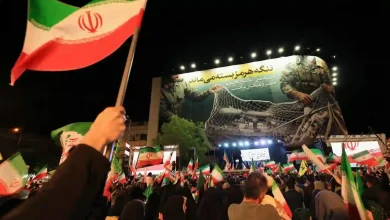
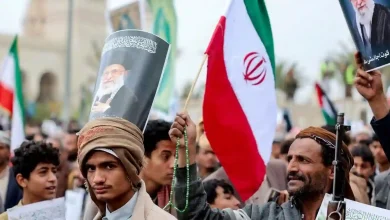
In the wake of Saturday’s strikes, Iranian leaders have adopted an extremely defiant tone, warning that they will no longer tolerate attacks on their maritime assets or domestic infrastructure. The rhetoric coming out of Tehran suggests a fundamental shift in the rules of engagement, with officials signaling that they are prepared to escalate the conflict to a full-scale regional war if pushed further.
As a result of these external pressures, the Iranian leadership could grow more confident in its asymmetric defensive capabilities, pushing them toward a more combative stance rather than seeking compromise. This confidence stems from their extensive missile arsenals, drone networks, and control over crucial geographical chokepoints.
Mohammad Baqer Qalibaf Decries U.S. Escalation
On Sunday, September 6, 2026, Iranian Parliament Speaker Mohammad Baqer Qalibaf delivered a fiery address to the legislature that was later published on his official Telegram channel. Qalibaf warned the United States and its allies that “the rules of the game have changed,” and that any future aggression would be met with an unprecedented level of retaliation.
“From now on, any attack against Iran’s interests and security will receive a faster, heavier, and more painful response,” Qalibaf declared. He emphasized that while Iran does not seek a wider war, it will not hesitate to utilize its full defensive capabilities to protect its sovereignty. Qalibaf’s statements reflect a broader consensus within the Iranian ruling elite that a policy of passive deterrence has failed, and that only aggressive reciprocity can force the West to back down.
Mohsen Rezaei Announces New Restricted Zone in the Strait of Hormuz
Adding concrete policy weight to Qalibaf’s rhetorical warnings, Mohsen Rezaei, the secretary of Iran’s Supreme National Security Council, announced that Tehran is preparing to declare a new restricted maritime zone outside the Strait of Hormuz. This restricted area, which is expected to encompass significant portions of the Gulf of Oman, represents a direct threat to international commercial shipping.
According to Rezaei, any vessel that enters this newly designated zone without explicit authorization from Iranian maritime authorities will be added to an Iranian sanctions blacklist and could face interdiction or seizure. While details regarding the enforcement of this zone remain vague, the announcement has already caused panic among global shipping companies. The threat of a partial or total shutdown of the strait—through which roughly 20% of the world’s daily oil supplies pass—could throw global supply chains into chaos.
Economic Crisis: Tackling Livelihoods Amidst Crippling Sanctions
While the military front continues to grab global headlines, the devastating economic impact of U.S. sanctions against Iran remains the most potent threat to Tehran’s internal stability. The comprehensive blockade on Iranian oil exports, combined with the freezing of foreign assets and banking restrictions, has severely crippled the country’s financial architecture.
The pressure has been further compounded by renewed congressional efforts to tighten Iran sanctions, aiming to completely cut off the remaining avenues for illicit oil sales. These efforts have successfully closed loopholes that previously allowed Tehran to export limited quantities of crude to buyers in East Asia, plunging the domestic economy into a deeper recession.
Currency Fluctuations and Inflationary Squeezes
The domestic consequences of this economic siege are visible in the everyday lives of ordinary Iranians. The national currency, the rial, has plummeted to historic lows against the U.S. dollar, triggering a massive wave of inflation. Basic goods, medicine, and foodstuffs have become prohibitively expensive, sparking widespread discontent across major urban centers.
In his Sunday address, Parliament Speaker Qalibaf acknowledged the severity of the crisis, stating that alongside the military confrontation, Iran’s primary battle is now over “production and people’s livelihoods”. He cited runaway inflation, rising unemployment, and poor market management as critical vulnerabilities that the government must address immediately. “Our people can tolerate hardship, but they will not tolerate mismanagement or inaction,” Qalibaf noted, urging executive agencies to implement swift corrective measures.
Ali Madanizadeh Outlines Economic Reform Strategies
In response to the growing domestic pressure, Iran’s Economy Minister, Ali Madanizadeh, announced that the government is launching a series of urgent structural reforms to counter the impact of the U.S. blockade. Madanizadeh rejected the notion that the Iranian economy is on the verge of collapse, insisting that Tehran has the tools necessary to stabilize the market.
The proposed reform package focuses on reducing the country’s dependence on oil revenues, boosting domestic production, and cracking down on currency speculation. Additionally, Madanizadeh indicated that Iran would deepen its economic integration with non-Western blocs, such as the BRICS alliance and the Shanghai Cooperation Organisation (SCO), to secure alternative trade corridors. However, independent economists remain highly skeptical, arguing that structural reforms alone cannot offset the loss of oil export revenues without a comprehensive diplomatic solution.
Strategic Implications for Regional Oil Stability and Global Markets
The ongoing war stalemate in the Middle East has sent shockwaves through global financial and commodity markets. Because the Strait of Hormuz is the world’s most critical transit route for oil and liquefied natural gas (LNG), any escalation of military activity in its vicinity threatens to trigger a global energy crisis.
The continuous disruptions in the Persian Gulf directly influence the stability of oil and bond yields, causing nervousness in Western financial markets. Although brief moments of oversupply have occurred, such as when oil prices slipped recently, the risk premium remains heavily embedded in global energy markets due to the persistent threat of Hormuz closure. If Iran decides to execute its threat of blocking transit or seizing tankers within its new restricted zone, oil prices could spike well beyond historical highs, dragging down the global economy.
To visualize the dramatic shift in regional dynamics over the past several months, the following comparison highlights the differences between the June Ceasefire period and the current September escalation:
| Strategic Parameter | June Ceasefire Accord (Islamabad MOU) | September Escalation Status |
|---|---|---|
| Military Posture | 60-day pause on active strikes; low-intensity skirmishes | Active tit-for-tat strikes; ballistic missile launches |
| Strait of Hormuz Status | Open for commercial shipping; monitoring by international navies | Threat of “Restricted Zone” enforcement; tanker interdictions |
| Sanctions Pressure | Potential pathways for temporary relief under negotiation | Crippling blockade; congressional tightening; severe economic squeeze |
| Diplomatic Engagement | Active mediation by Pakistan, Oman, and regional partners | Complete breakdown; stalemate with no active peace talks |
| Iranian Economic Stance | Awaiting outcomes; holding currency stable | Structural reforms launched; high inflation and currency crash |
The Path Forward: Will Diplomacy Prevail?
As the conflict enters its seventh month, the international community faces a bleak outlook. The collapse of the June ceasefire has left a diplomatic vacuum that neither the United Nations nor regional mediators seem capable of filling. While European diplomats have made tentative attempts to bring the parties back to the negotiating table, both Washington and Tehran appear heavily invested in their respective military and economic strategies.
For the United States, the goal remains the complete economic isolation of the Iranian regime until it agrees to massive concessions on its nuclear program and regional influence. For Iran, the strategy is one of maximum resistance—matching economic pressure with structural reforms at home, and meeting military actions with asymmetric threats abroad. With both sides locked in this zero-sum game, the risk of an unintended miscalculation leading to a wider regional conflagration has never been higher.


3 Comments